Tattoo Placement Ideas: Complete Guide
Getting a new tattoo is a profound, lifelong commitment. While endless hours are usually spent agonizing over the perfect design, shading techniques, and color palettes, another crucial decision often gets pushed to the last minute: where exactly is the ink going to go? Choosing the ideal location for your body art is about far more than just finding a blank patch of skin. It requires a strategic balance of aesthetic desire, daily lifestyle, pain tolerance, and a deep understanding of how the art will flow with your natural anatomy.
Whether you are stepping into a studio for your very first piece or you are a seasoned collector mapping out your remaining real estate, this comprehensive guide will walk you through the very best tattoo placement ideas. By the end of this article, you will have the knowledge and confidence to ensure your new ink looks incredible not just today, but for decades to come.
How to Choose Your Perfect Tattoo Placement
If you are currently staring at the mirror wondering how to choose tattoo placement, rest assured that you are not alone. It is one of the most common dilemmas clients face. When brainstorming tattoo position ideas, it is essential to walk yourself through a practical, forward-thinking checklist:
Visibility and Professional Lifestyle: Consider your day-to-day life. Does your career or industry require you to cover up visible body art? If so, you will want to prioritize easily concealable areas like the upper thighs, torso, back, or shoulders. Alternatively, if you work in a creative field or simply want your art on display, the forearms, calves, and hands become prime real estate.
Sun Exposure and Fading: Tattoos are sensitive to ultraviolet (UV) rays. Constant sun exposure breaks down the ink particles in the skin, leading to fading and loss of crisp detail over the years. Placements like the outer forearms, shoulders, and calves will require strict, lifelong sunscreen habits compared to areas that are usually covered by everyday clothing.
Aging, Skin Elasticity, and Weight Fluctuation: The human body changes over time. Weight fluctuations, muscle growth, pregnancy, and the natural aging process all affect the canvas of your skin. Areas with high elasticity, like the lower abdomen, breasts, and inner upper arms, are more prone to stretching and distorting your tattoo. Conversely, placements like the calves, forearms, upper back, and shoulders tend to hold their shape exceptionally well regardless of body changes.
Healing Variables: Different parts of the body heal differently. Areas with high friction—where clothes constantly rub or where the body bends (like the ditch of the elbow, knees, or waistline)—can be more difficult to heal and may require future touch-ups to maintain their original vibrancy.
Matching Your Anatomy to Tattoo Designs Ideas
The shape, flow, and movement of your body should directly dictate where a design lives. The human body is not a flat piece of paper; it is entirely composed of curves, muscles, and S-lines. A tall, vertical, or highly geometric piece flows naturally down a cylindrical limb like a forearm or calf. Conversely, a wide, sprawling piece—like a traditional eagle with spread wings or a large neo-traditional portrait—needs a broader, flatter canvas, making the chest or upper back ideal.
Browsing tattoo designs ideas on social media is a fantastic starting point for inspiration, but finalizing the artwork requires a deep understanding of bodily contours. This is exactly why collaborating directly with an experienced artist oncustom tattoos is so vital. A professional will design the piece to warp, wrap, and move flawlessly with your specific musculature, ensuring the art enhances your body rather than looking like a sticker slapped onto a random spot.
The Ultimate Tattoo Placement Pain Chart
Pain is highly subjective, and everyone’s tolerance level varies. However, human anatomy provides a very consistent map of what will hurt and what will be a breeze. In fact, a tattoo pain chart can give you a helpful visual overview of which areas tend to be more sensitive than others. Your body's nerve density, the thickness of your skin, and the proximity of the skin to the bone play massive roles in how a tattoo session will feel.
If you are preparing for your upcoming appointment, referencing a reliable tattoo placement pain chart can help set your expectations and mentally prepare you for the chair. Here is a breakdown of the overall tattoo pain level by anatomical zone:
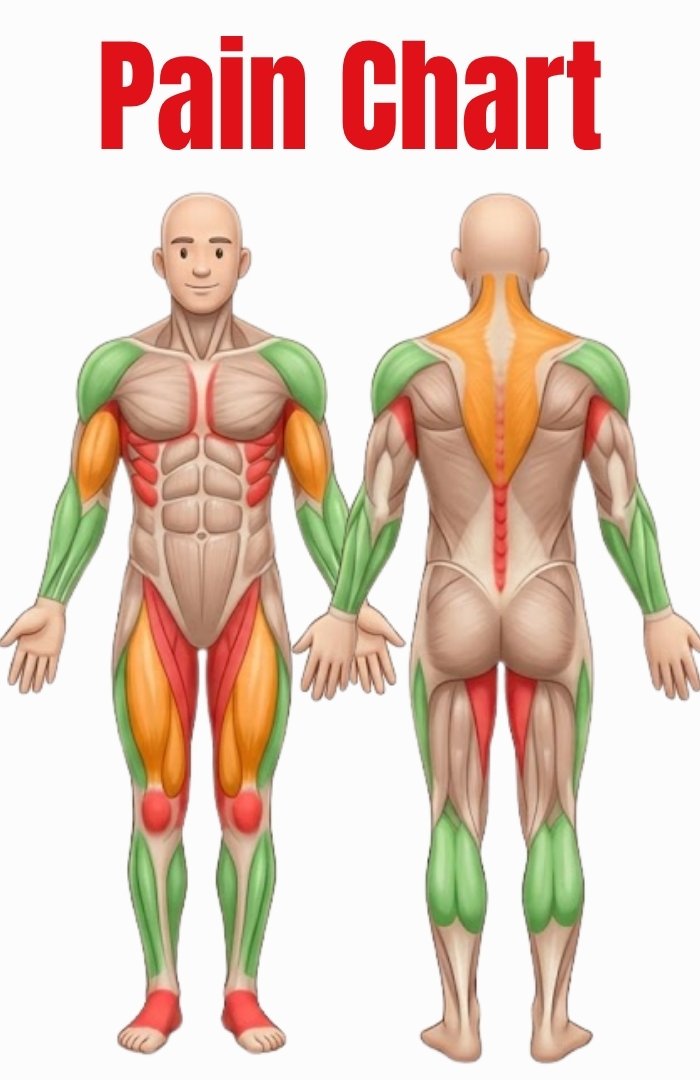
Low Pain (Highly Recommended for First-Timers): Outer Thighs, Calves, Outer Forearms, and Outer Shoulders. The Science: These areas have thicker skin, higher concentrations of fat and muscle to cushion the vibration of the machine, and significantly fewer nerve endings. The sensation here is often described as an annoying, persistent scratch rather than intense pain.
Moderate Pain: Inner Biceps, Center of the Upper Back, and the Front of the Thighs. The Science: You will feel more of a sharp pinch in these zones due to softer, thinner skin and slightly more sensitive nerve clusters.
High to Severe Pain: Ribs, Sternum, Spine, Tops of the Feet, Kneecaps, Armpits, and Inner Thighs. The Science: These areas have virtually no fat cushion. The vibration of the tattoo machine transfers directly against the bone, and these locations are heavily concentrated with nerve endings. Tattoos here require a strong mental fortitude and deep breathing techniques.
Popular Canvas Areas: Exploring Body Placements
Every single part of the body offers a unique, dynamic canvas. Here is an in-depth breakdown of the most popular placement zones in modern tattooing and what makes each of them work so well.
Arm and Wrist Positions
The arms are arguably the most popular and universally loved canvas in the world. From highly visible forearm pieces to easily hidden upper bicep ink, designing arm and shoulder tattoos offers incredible versatility. The natural cylinder shape of the arm makes it perfect for wraparound bands, detailed portraits, or gradually building out a cohesive, heavily saturated half-sleeve over several years. The outer bicep is traditionally one of the least painful and easiest-to-heal spots on the body, making it the premier recommendation for a client's first tattoo.
Chest and Sternum Placements
The chest offers a beautifully flat, expansive canvas that is absolutely ideal for large, bold, symmetrical pieces, making it a fantastic spot to explore chest tattoo ideas like heavy traditional work, intricate mandalas, or large-scale lettering. While the broad pectoral areas offer a very manageable pain level, it is important to note the pain considerations increase significantly as the needle moves closer up to the collarbone, directly over the nipples, or drops down into the center of the sternum.
Back and Spine Masterpieces
If your goal is to go big, the back is the ultimate large-scale canvas. It provides the largest, flattest, and most consistent surface area on the human body. A piece resting on the shoulder blades is generally a breeze to sit for and ages incredibly well due to lack of sun exposure. However, heavily detailed, fine-line art running directly down the bumpy ridge of the spine requires a much higher pain tolerance and a very steady hand from the artist.
Leg, Thigh, and Calf
The lower body is rapidly gaining popularity, especially for clients looking to build large patchwork collections of smaller tattoos or massive, bold, symmetrical designs. The outer and front thighs provide an excellent, low-pain, and highly concealable area for sprawling art. The calves serve as incredible, naturally framed vertical canvases and generally handle the healing process very well due to the tight, resilient skin in that area.
Discreet Options: Finding a Hidden Tattoo Spot
Not everyone wants their ink on display twenty-four hours a day, seven days a week. Finding a dedicated hidden tattoo spots is perfect for individuals who want to keep their body art deeply personal, or for those who need to adhere to strict professional dress codes in corporate environments.
Subtle and easily concealed placements include behind the ear, the inner bottom lip, the sides of the fingers, the upper thigh/hip line, or tucked neatly along the ribs. While these discreet spots offer excellent privacy, keep in mind that areas with high friction or highly unique skin textures—specifically the sides of the fingers, the palms, or the inner lips—are notoriously prone to "falling out" or fading rapidly. These specific hidden spots will almost certainly require routine touch-ups over the years to keep the ink looking dark and legible.
Placement Considerations by Gender
While the art of tattooing is entirely gender-neutral and anyone can get any design anywhere they please, search intent and daily studio requests show distinct, historical patterns in how people choose to accentuate their specific anatomy.
Top Tattoo Placement for Men
Many classic choices regarding tattoo placement for men focus heavily on accentuating natural muscle structure and broadening the frame. Historically popular spots include the upper bicep (which perfectly frames the shoulder cap), broad, symmetrical chest plates, and full back pieces that utilize the width of the shoulders to securely anchor massive, aggressive designs.
Top Tattoo Placement for Women
Trends regarding tattoo placement for women often highlight and compliment the natural S-curves and flow of the body. Delicate, highly aesthetic placements that flow with feminine anatomy include the underbust (sternum mandalas), the sweeping, elegant line of the hip or pelvic bone, the nape of the neck, and delicate, fine-line wraps around the ankle or collarbone.
Finalizing Your Art: Custom vs. Flash
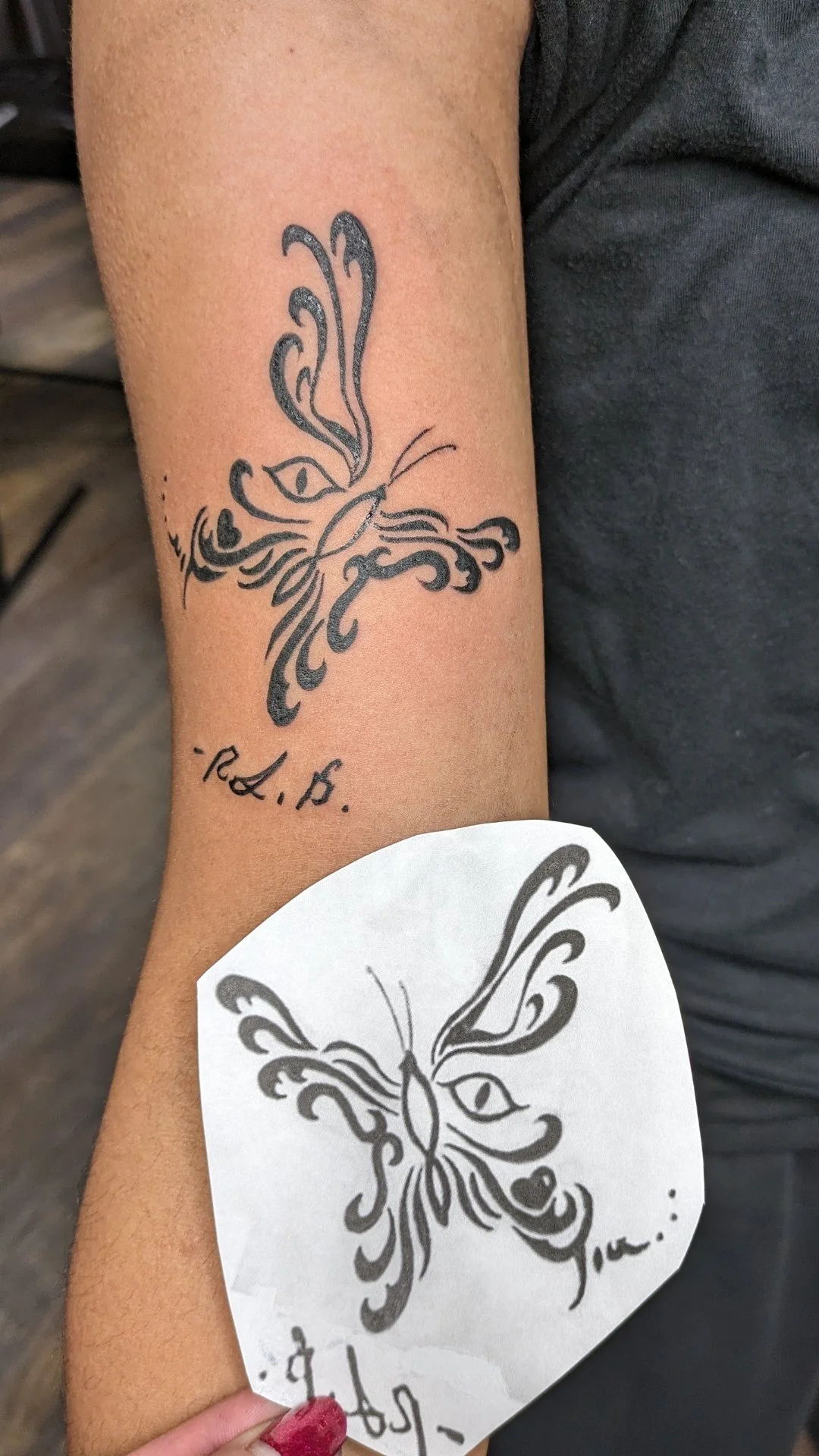
The type of artwork you select at the studio can heavily influence its final home on your body. When you choose a pre-drawn flash tattoo, the design is typically already scaled by the artist to fit universally common areas like the forearms, lower legs, or shoulder blades. Because flash designs are ready to go off the wall (or out of the book), you can easily reference a standard tattoo placement chart to see where a piece of that exact size and shape will look best.
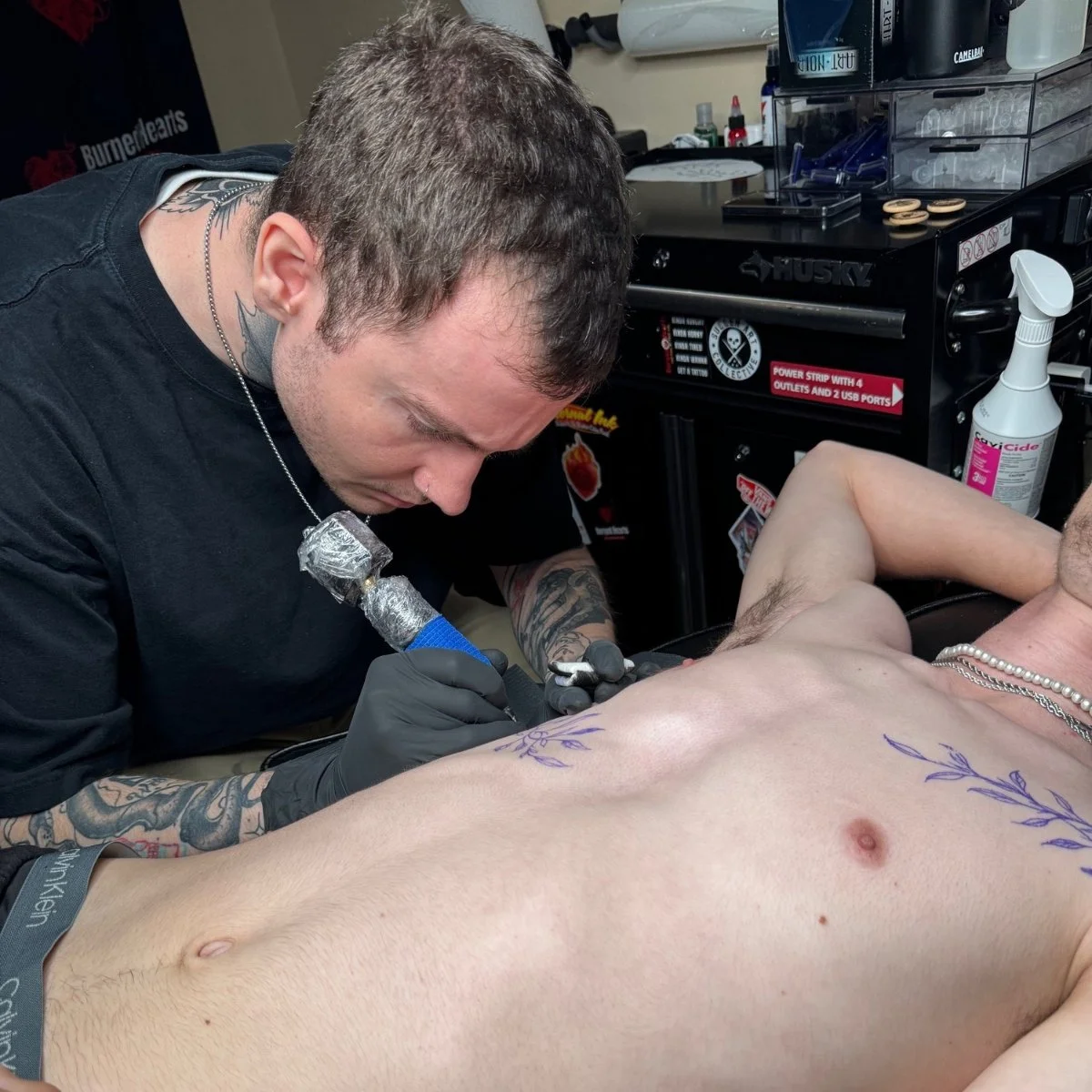
Bespoke, custom artwork, on the other hand, is an entirely different process. It requires precise placement planning so that the stencil perfectly aligns with your specific musculature. A custom piece might require the artist to draw directly onto your skin with markers (freehanding) to ensure the design wraps perfectly around a joint or muscle group.

Di Drago
Expert Opinion: A Word from the Artists
“One of the biggest mistakes we see clients make is being too rigid with their placement ideas before the stencil is even applied. You might walk into the shop dead-set on a design sitting exactly in the dead center of your forearm, but once the stencil is on, we might notice that moving it just a half-inch to the left allows the art to flow perfectly with the natural twist of your arm muscles. Trust your artist. We look at bodies and stencils all day, every day. We know exactly how an image is going to warp when you bend your elbow or twist your torso. Let us guide the placement so that the tattoo doesn't just look good when you are standing perfectly still in the mirror, but looks amazing when you are actually moving and living your life.” — The Team at Burned Hearts Tattoo
Bring Your Vision to Life with the Best
Your tattoo is a permanent investment in your body, and placement is only half of the battle. The flawless execution of the art matters just as much as where it sits on your skin. Working with a professional, hyper-hygienic, and highly skilled tattoo artist ensures you get expert, real-time guidance on sizing, anatomical flow, and proper aftercare tailored to your specific placement.
When you have explored your placement options and you are ready to turn your concept into reality, reaching out to one of thebest tattoo shops in Columbus Ohio is the absolute most crucial step you can take. A top-tier artist won't just apply a stencil blindly; they will collaborate with you to ensure your new ink fits your body perfectly, flows with your natural anatomy, and stands the test of time.
Frequently Asked Questions (FAQs)
-
Generally, the least painful places are the outer thighs, the calves, the outer forearms, and the outer shoulders/biceps. These areas have thicker skin, fewer nerve endings, and more fat/muscle to cushion the needle's vibration.
-
For your first piece, the outer bicep or forearm is highly recommended. These spots are relatively low on the pain scale, easy to reach for washing and applying aftercare ointment, and easy to cover with clothing while they go through the peeling/healing process.
-
Yes, they can, but it depends heavily on the placement. Areas like the stomach, hips, and inner arms are prone to stretching with weight fluctuations or pregnancy. Areas like the forearms, calves, and shoulder blades are incredibly resilient and rarely distort, even with significant weight changes.
-
Tattoos fade fastest in areas exposed to high friction or constant sunlight. Fingers, hands, feet, inner lips, and elbows notoriously fade quickly due to the rapid shedding of skin cells and friction. Any tattoo consistently exposed to UV rays without sunscreen will also age and fade prematurely.
Read more…