A small tattoo is the perfect way to express yourself without dedicating hours to the chair, but because of its size, where you put it matters just as much as what it is. With a tiny canvas, even the slightest change in skin texture, sun exposure, or movement can dramatically impact the design over time.
The best placement for a small tattoo depends on your pain tolerance, fading risks, and desired visibility. The outer shoulder blade and inner wrist are the best spots for longevity and low pain. Avoid placements with high friction or rapid skin regeneration, like fingers, hands, and the sides of the feet, as small, fine-line tattoos in these areas will blur and fade rapidly. Keep your small tattoo out of direct UV sunlight to prevent photodegradation.
While this guide zeroes in on the best spots for minimalist pieces, you can also explore our complete look at different tattoo placement ideas for large-scale projects and sleeves.
Whether it is your first time under the needle or you are just looking for a tiny filler piece, this guide is built on honest, real-world advice from professional tattoo artists. We factor in how skin ages, what friction does to fine lines, and how sun exposure alters ink over the decades so you can book your appointment with confidence.
4 Crucial Factors to Consider Before Choosing a Spot
Instead of just picking a body part out of a hat, choosing the best places for small tattoos requires looking at the realities of human skin. Here is what you need to evaluate before the stencil goes on.
1. Visibility & Lifestyle
Do you need to hide your tattoo for your professional life, or do you want to show it off? Ask yourself who the tattoo is for. If it is a personal reminder, spots like the inner wrist or forearm allow you to see it daily. If it is more of an aesthetic accessory, the back of the neck or shoulder blade might be perfect.
2. The Friction Factor (Aging)
Skin that moves, bends, or rubs against clothing constantly will not hold ink well. Areas like the fingers, feet, and joints experience high cellular turnover and constant friction, which causes fine lines to blur and ink to "blow out" (spread under the skin) faster than stable areas.
3. Sun Exposure and UV Damage
As confirmed by the American Academy of Dermatology, ultraviolet light is the single biggest cause of tattoo fading. UV radiation breaks down pigment molecules through a process called photodegradation, meaning your ink will lighten and lose detail with every unprotected exposure to the sun. Areas exposed to daily ambient sunlight, like the outer forearms and hands, will age much faster than areas typically covered by clothing.
4. Pain Tolerance
If you are worried about the pain of your first tattoo, there is good news: a small, minimalist tattoo usually takes under an hour. This makes even the "spicy" spots far more manageable. However, sticking to areas with more muscle and fat (like the outer thigh or shoulder) will keep the experience smooth and relatively painless.
The Best (and Safest) Places for Small Tattoos
Finding the right balance of visibility, longevity, and pain makes all the difference. Here are the top recommended spots that artists love to tattoo because they hold tiny tattoo placement beautifully.
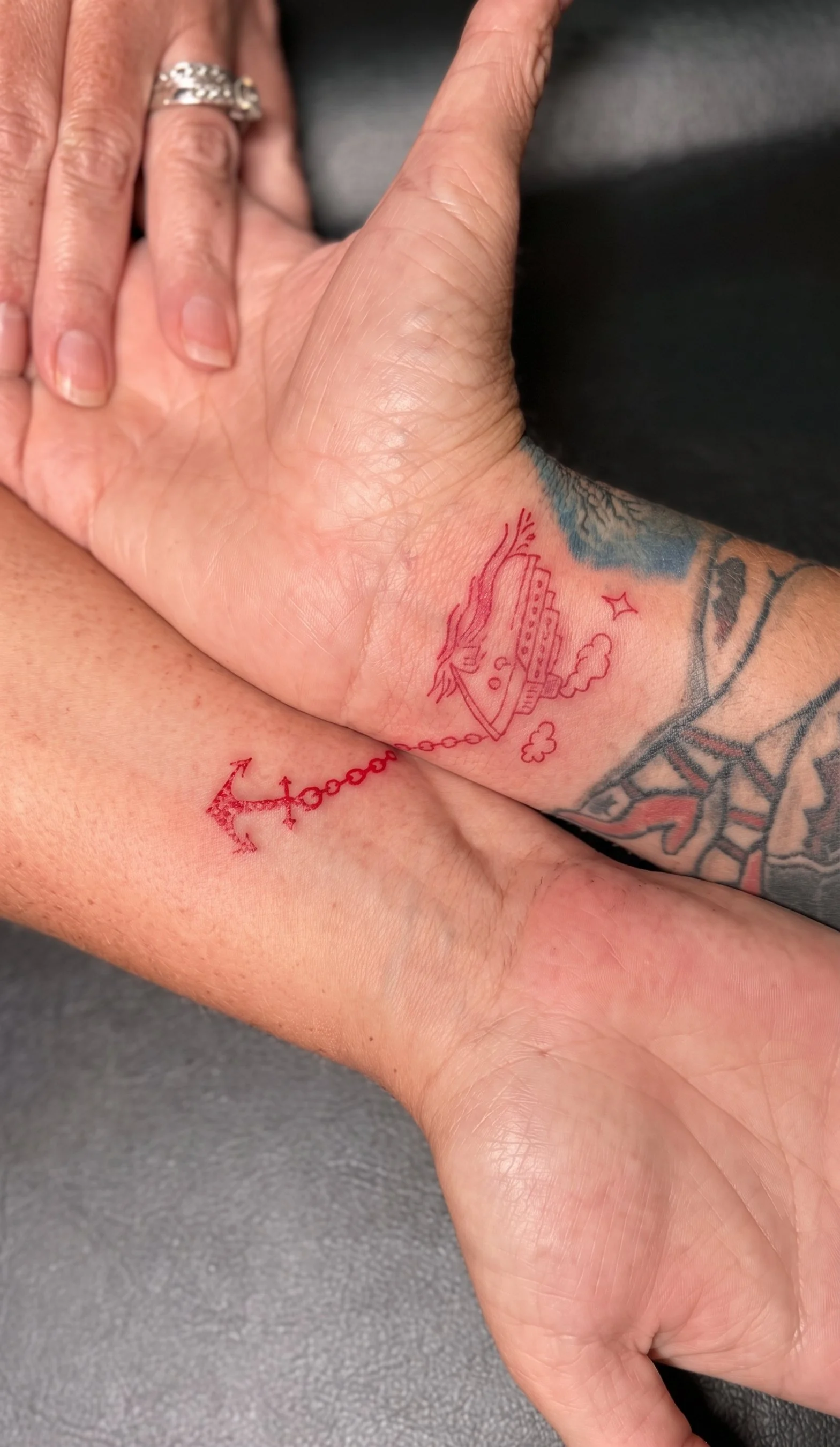
Inner Wrist
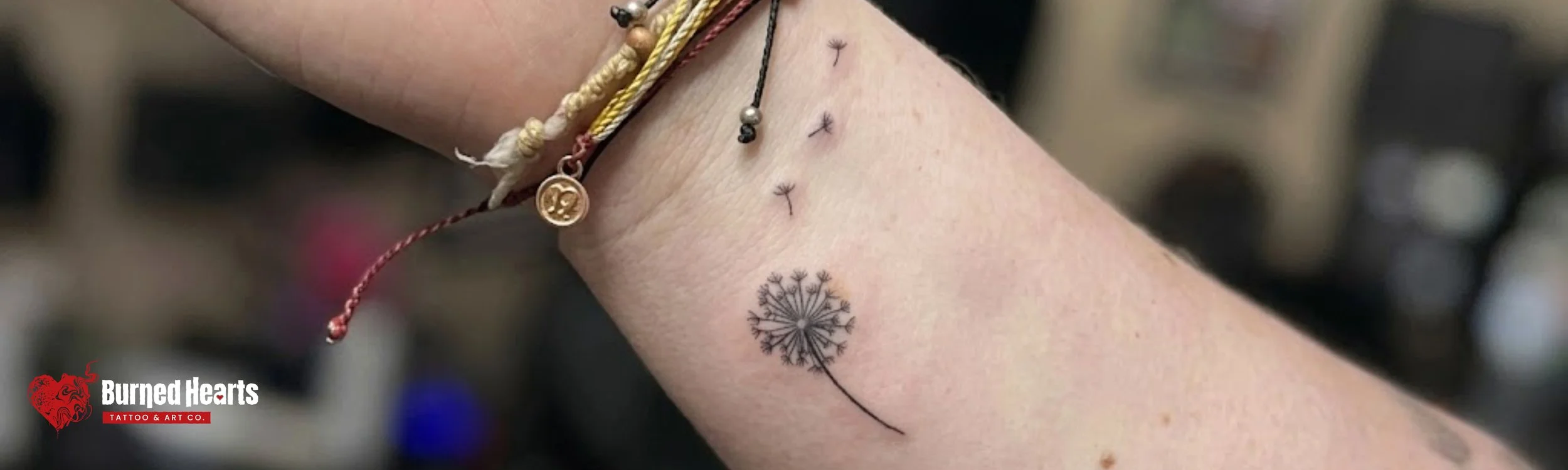
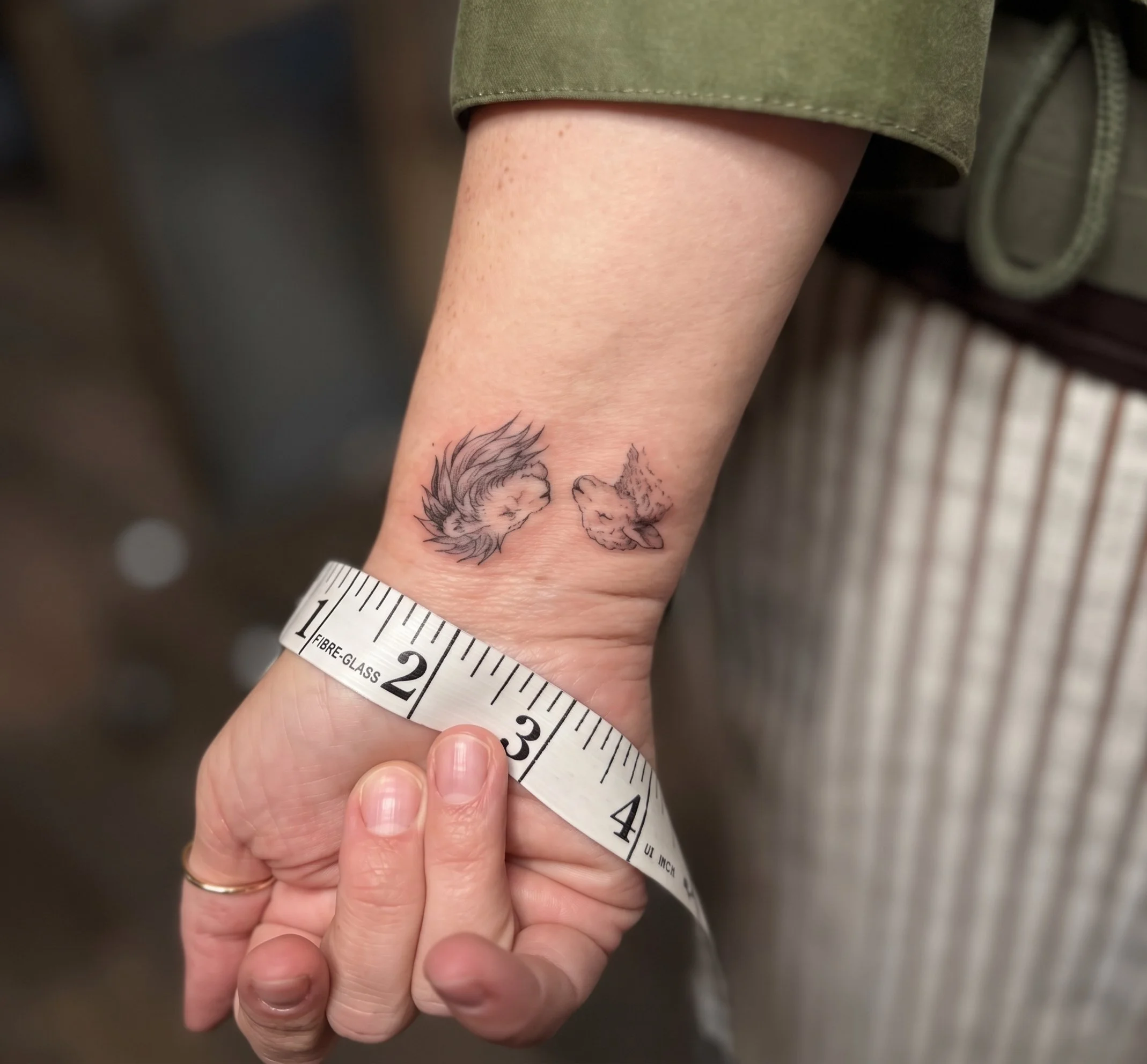
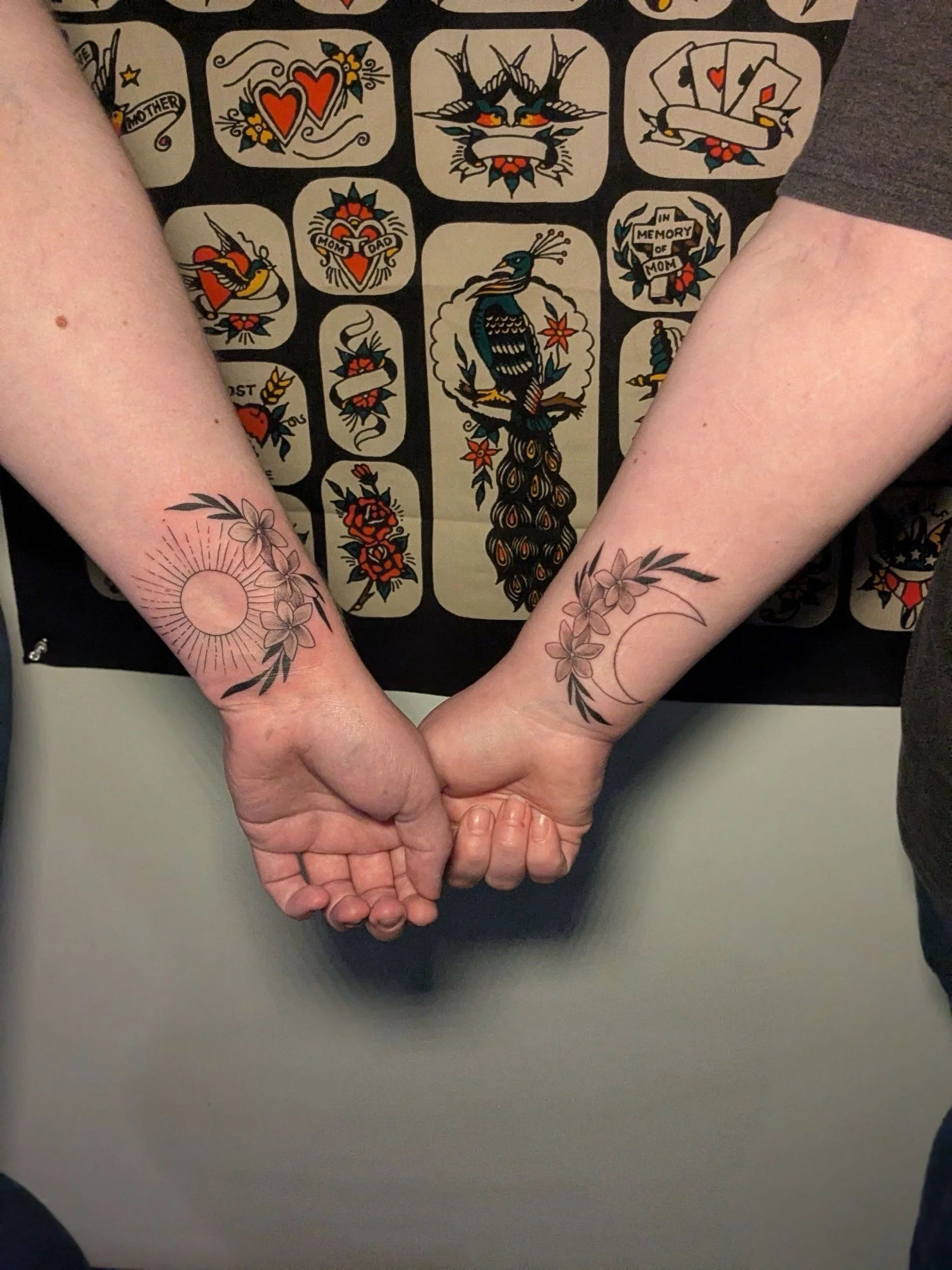
The inner wrist is the classic minimalist haven. It is highly visible to the wearer, making it perfect for meaningful symbols, initials, or small words.
Pro Tip: Keep the design at least an inch below the crease of your hand. The crease line bends constantly, which can cause the ink to blur and heal poorly.
| Factor | Rating / Detail |
|---|---|
| Pain Level | 4/10 (Manageable, though slightly sharp near the veins) |
| Visibility | High |
| Fading Risk | Low to Moderate (if kept out of the sun and away from the crease) |
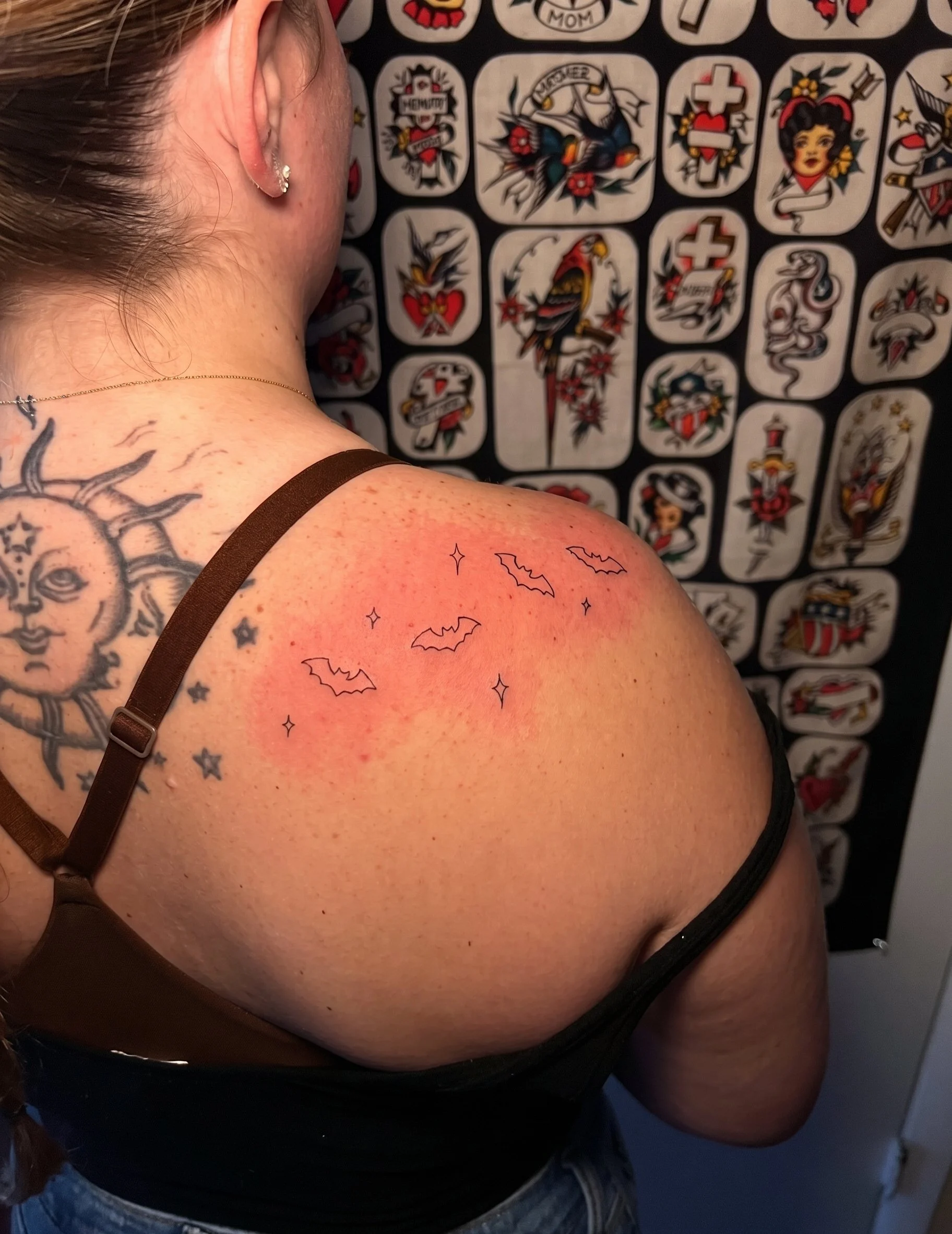
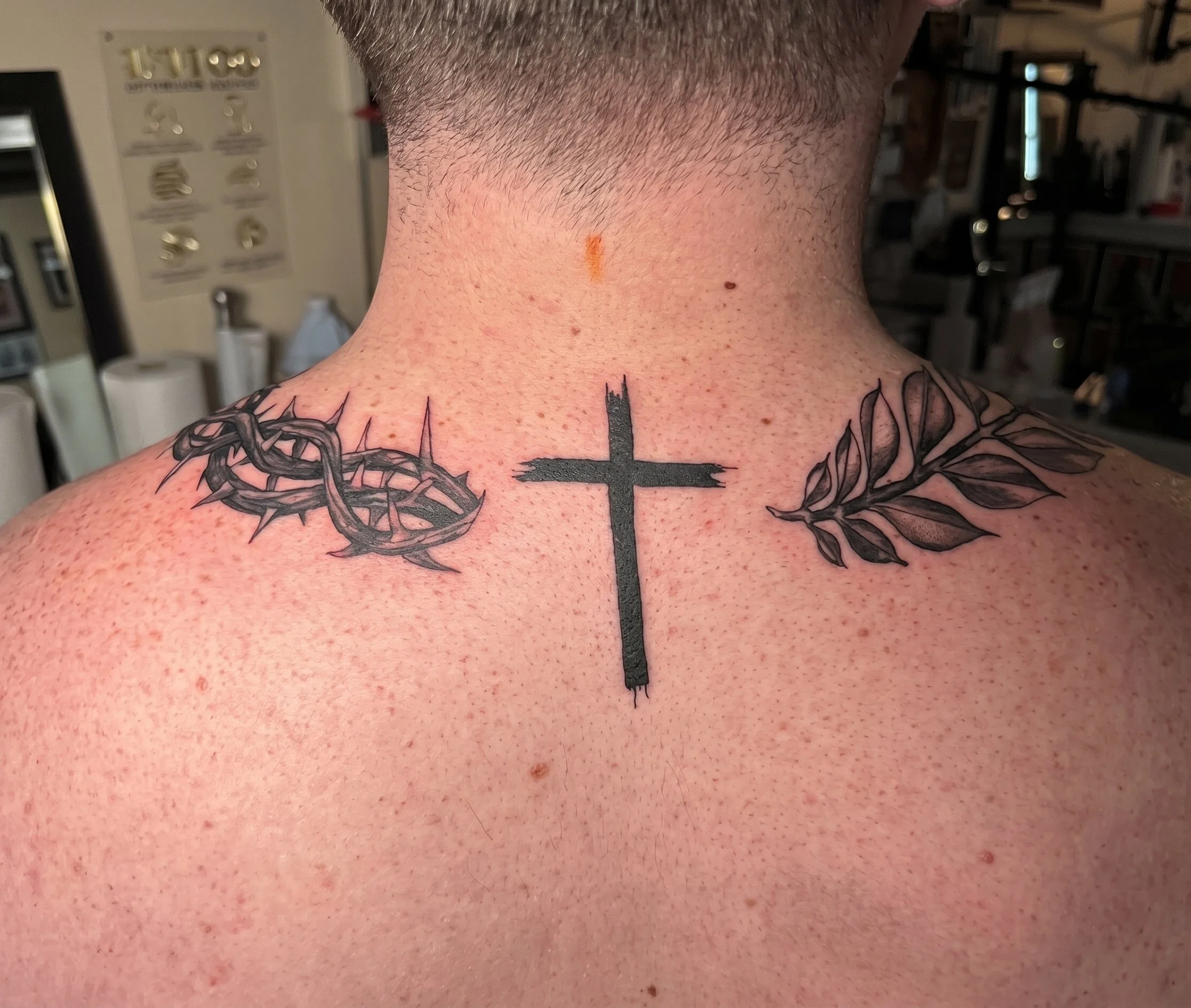
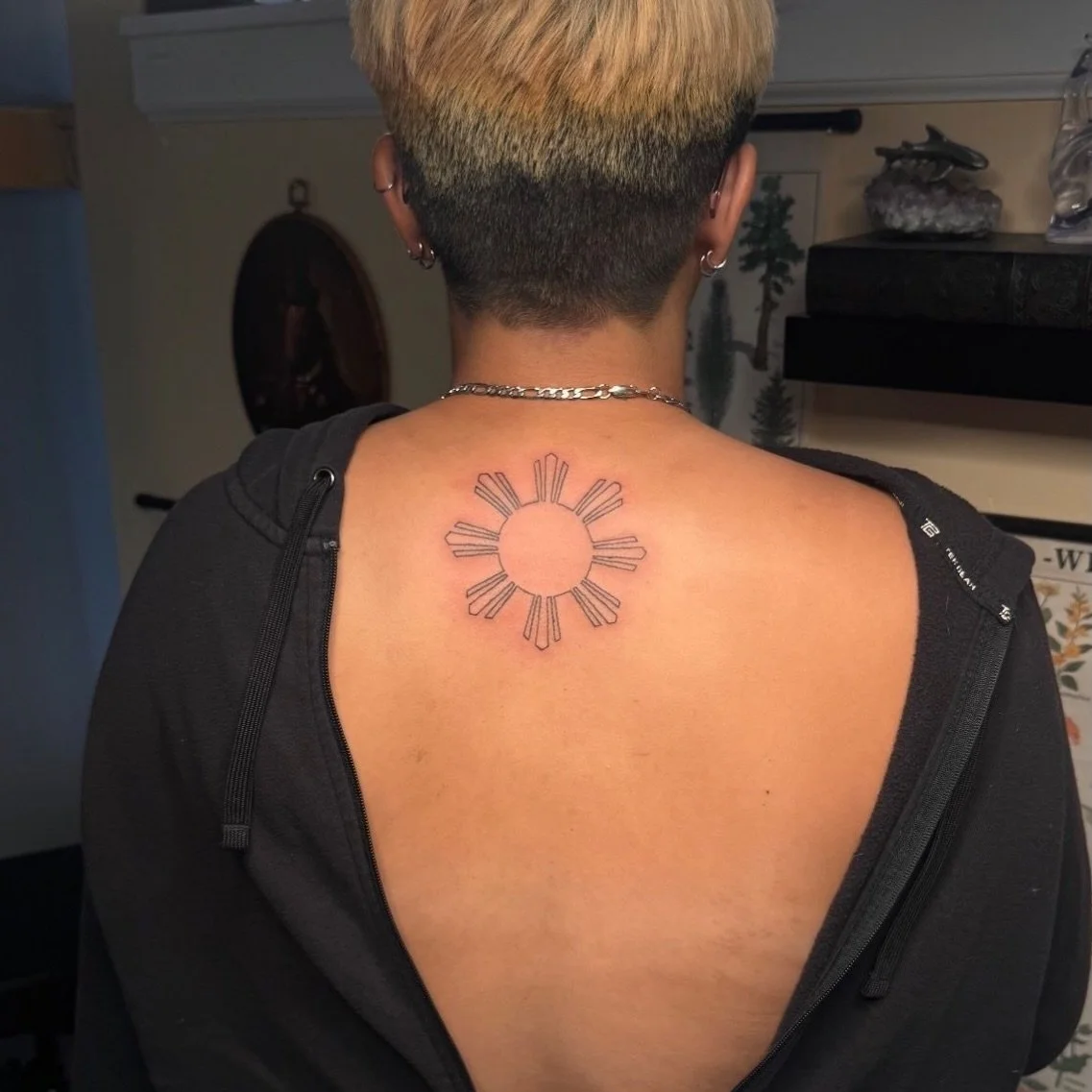
Outer Shoulder Blade
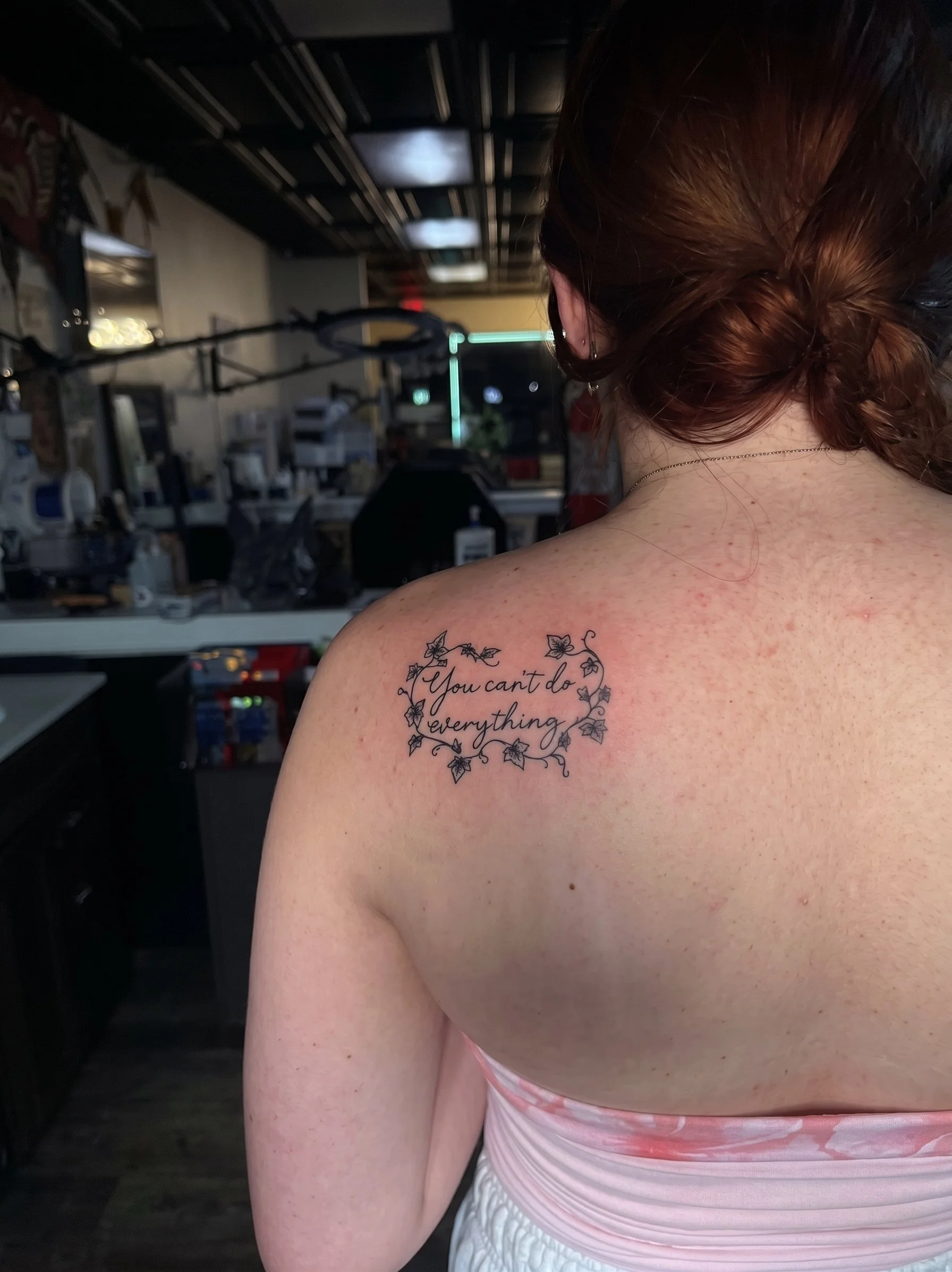
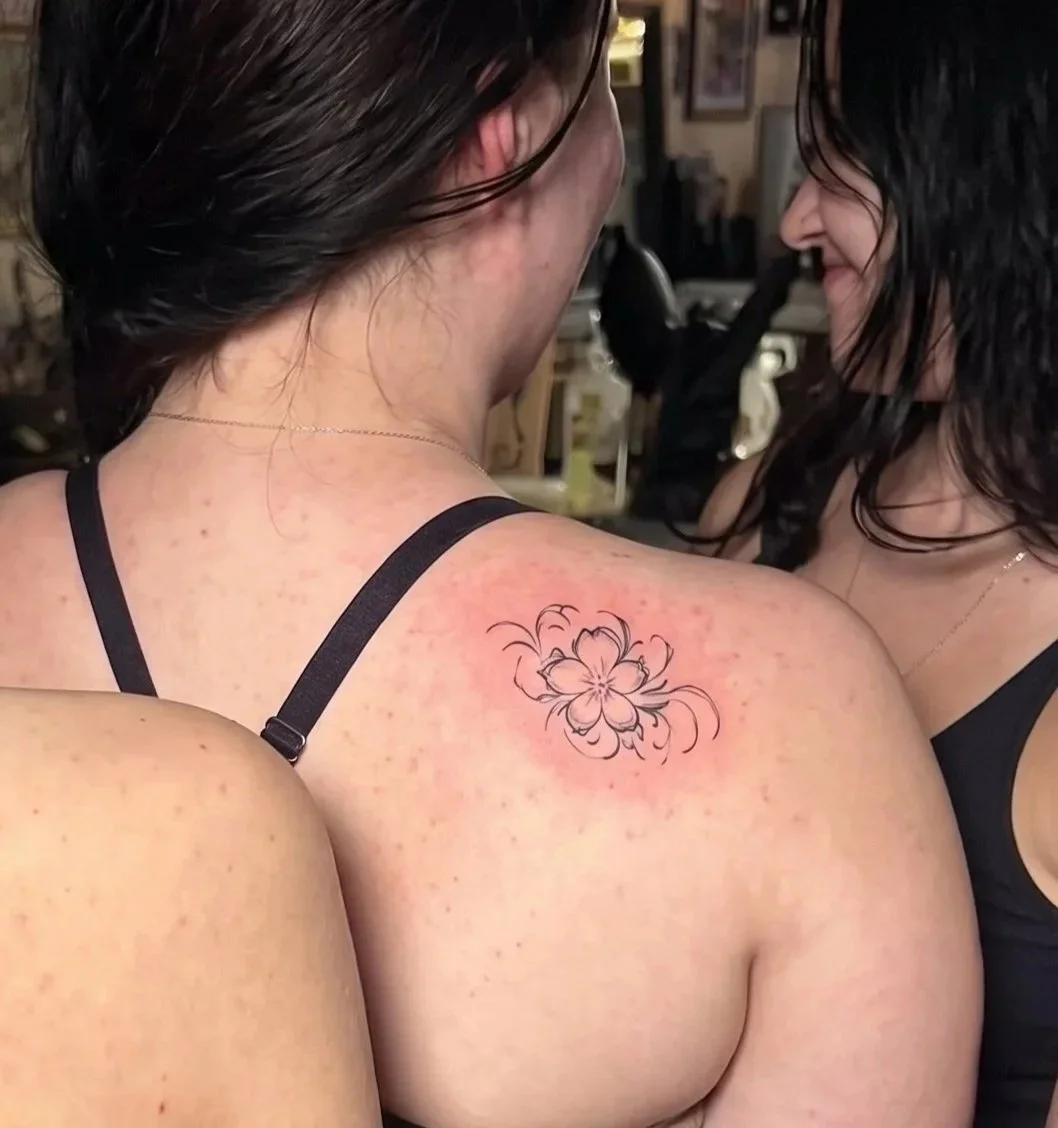
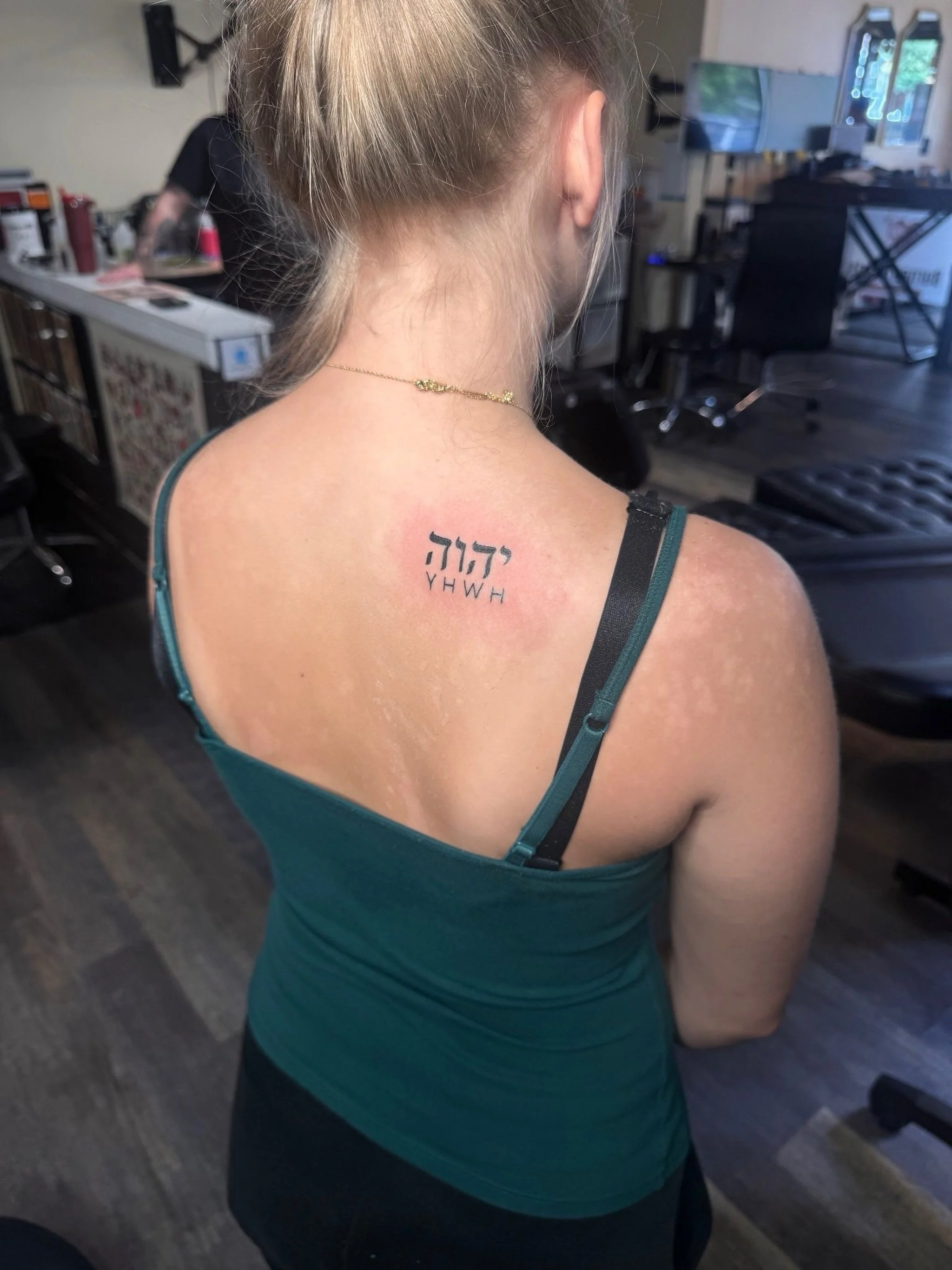
The outer shoulder blade is the ultimate safe zone for tattoos of all sizes. The skin here is flat, tight, and rarely exposed to the sun or harsh friction, meaning small tattoos here age incredibly well over the decades.
| Factor | Rating / Detail |
|---|---|
| Pain Level | 2/10 (One of the least painful spots on the body) |
| Visibility | Low (Easily hidden under normal shirts) |
| Fading Risk | Very Low |
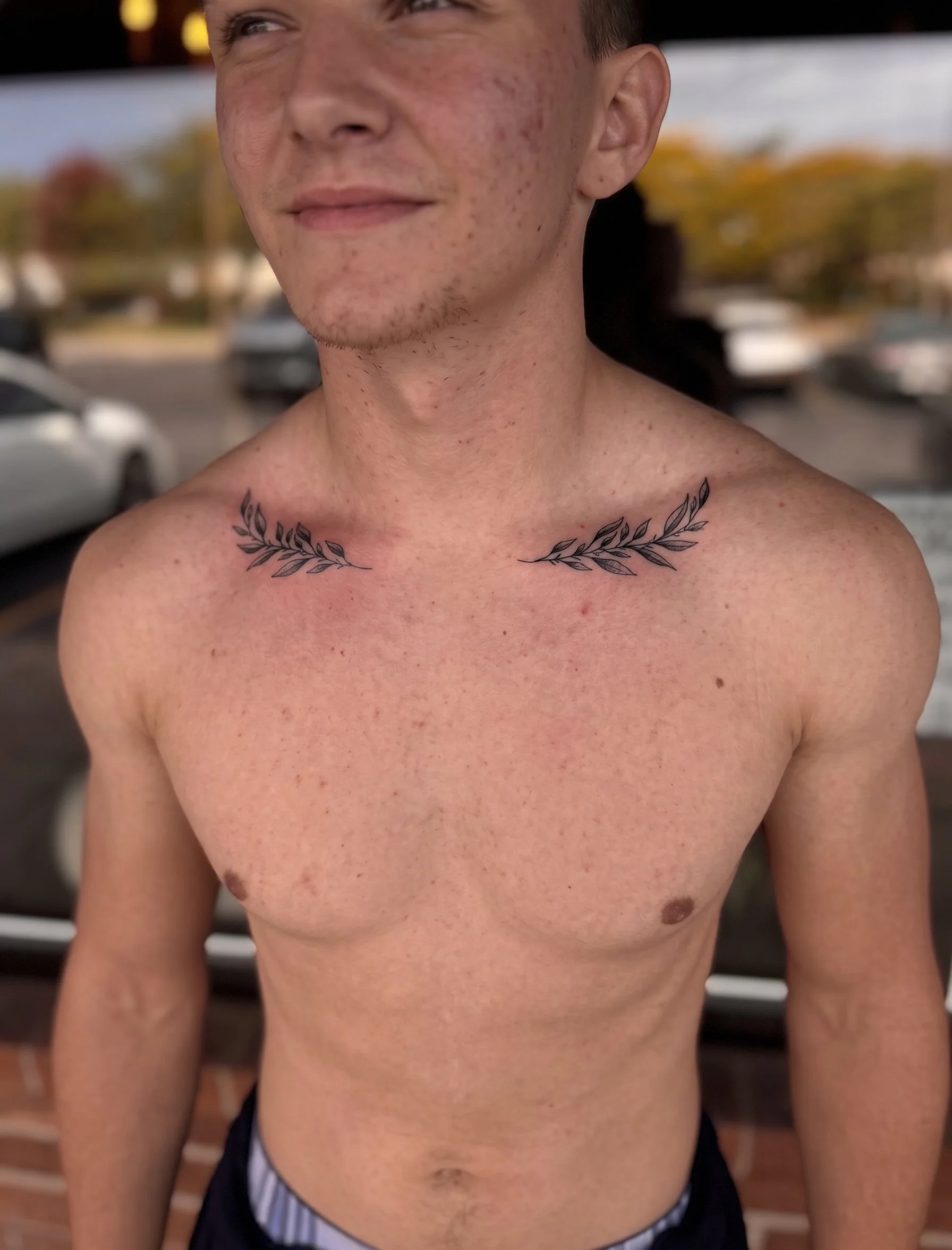
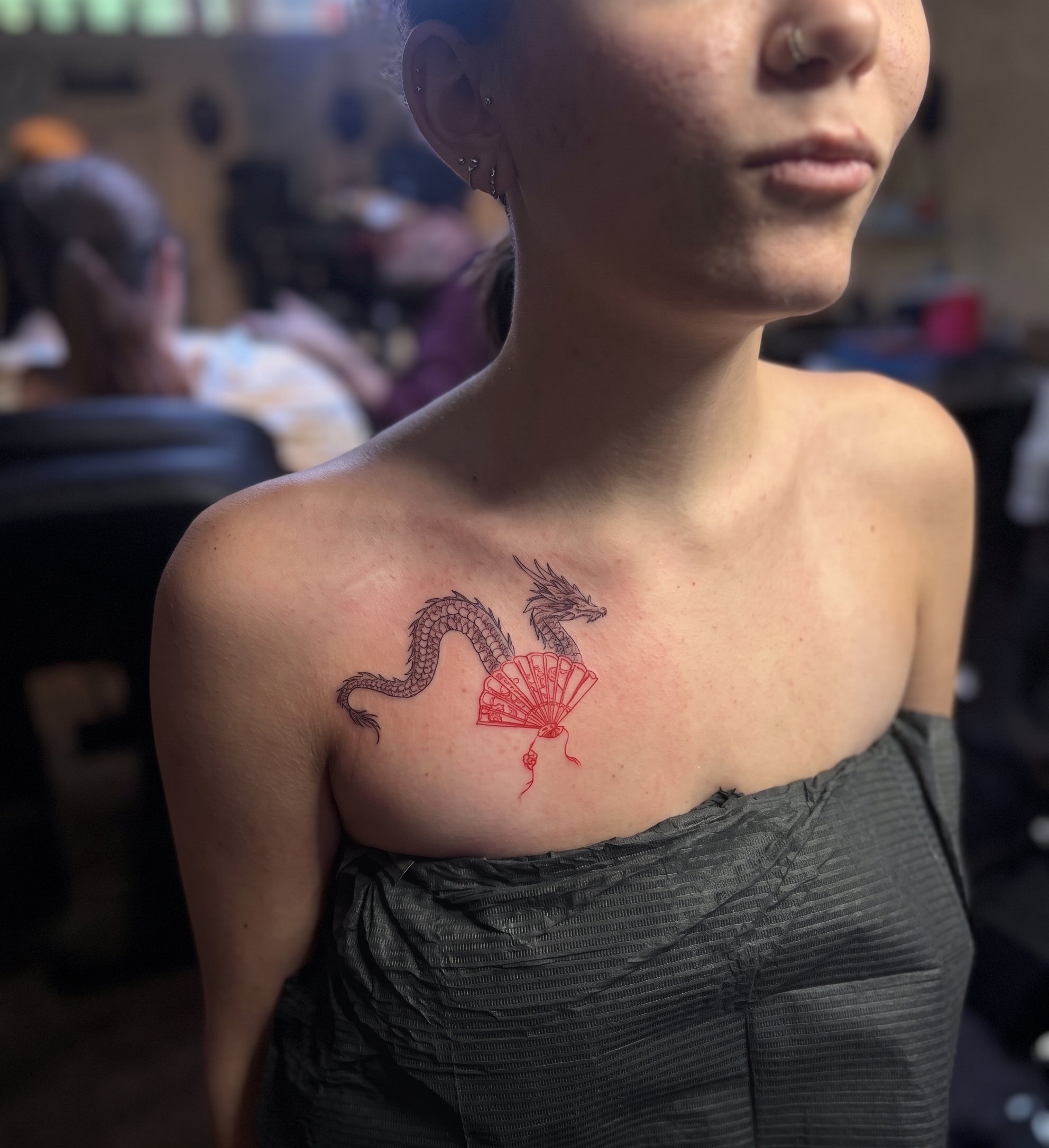
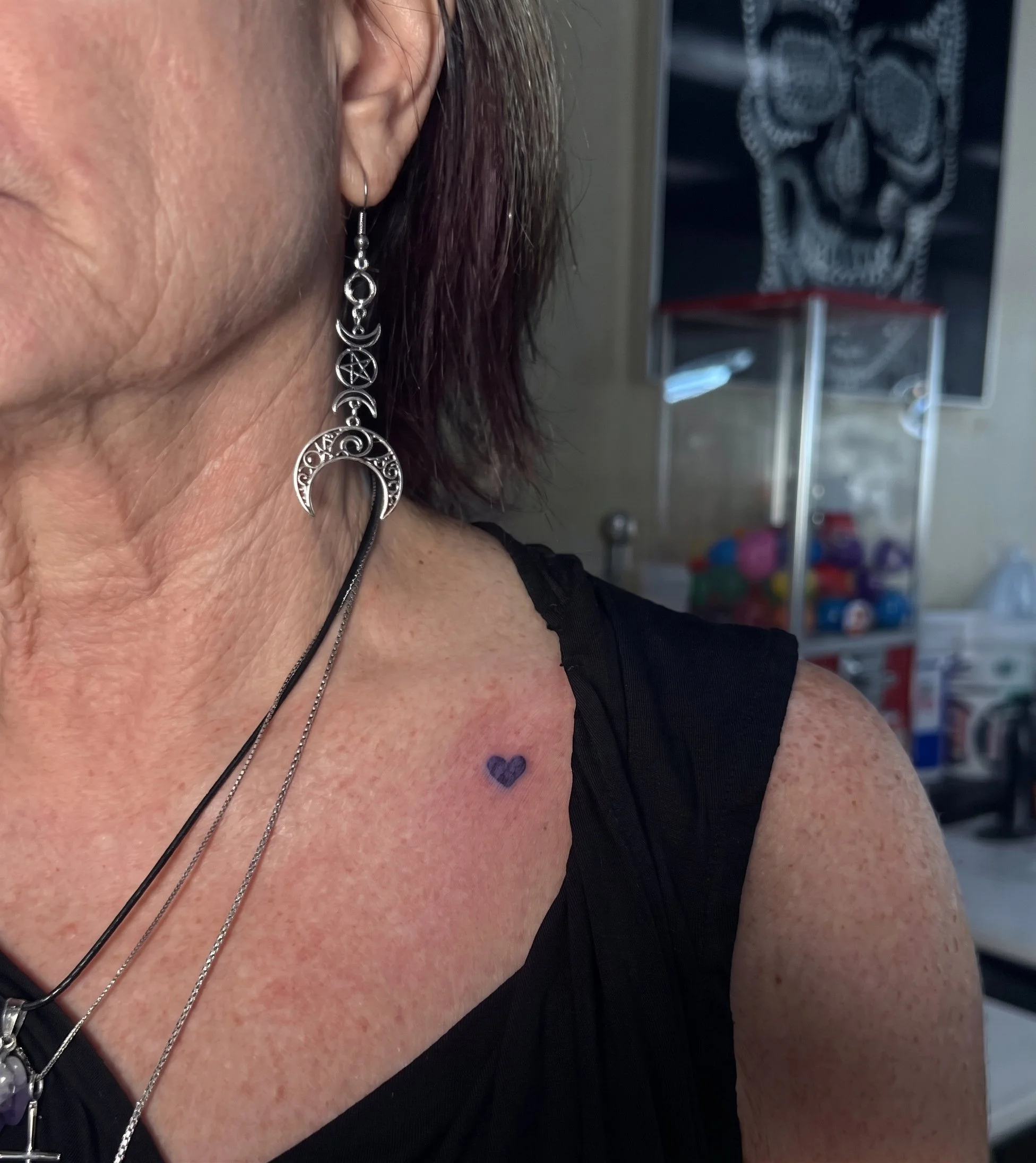
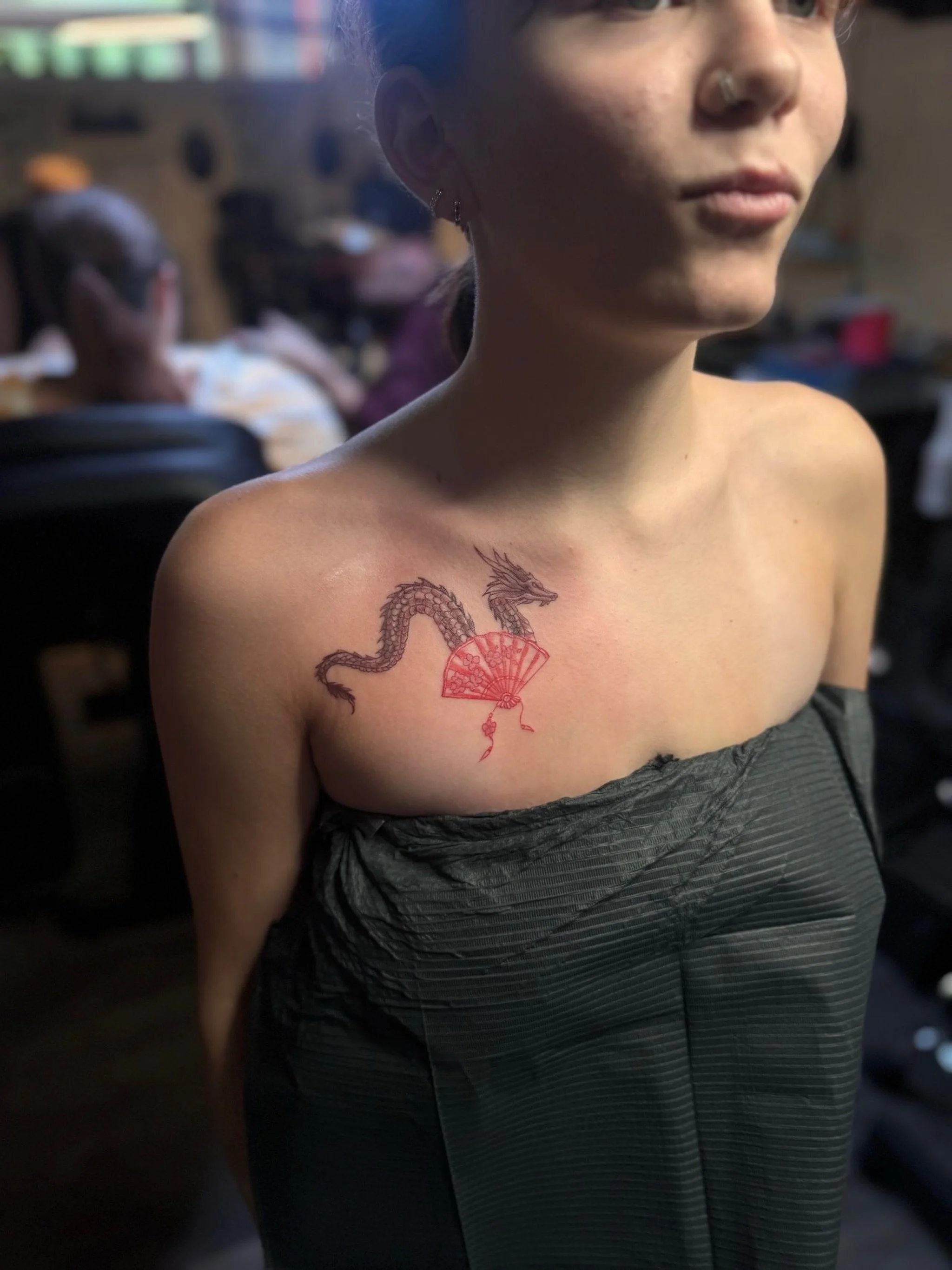
Collarbone (Clavicle)
The collarbone acts as a natural, elegant frame for delicate, horizontal designs. It is a highly aesthetic placement for small florals, dates, or flowing script.
| Factor | Rating / Detail |
|---|---|
| Pain Level | 6/10 (Vibrates directly over the bone) |
| Visibility | Moderate (Visible in tank tops or low-cut shirts) |
| Fading Risk | Low (Ages well if protected with SPF) |
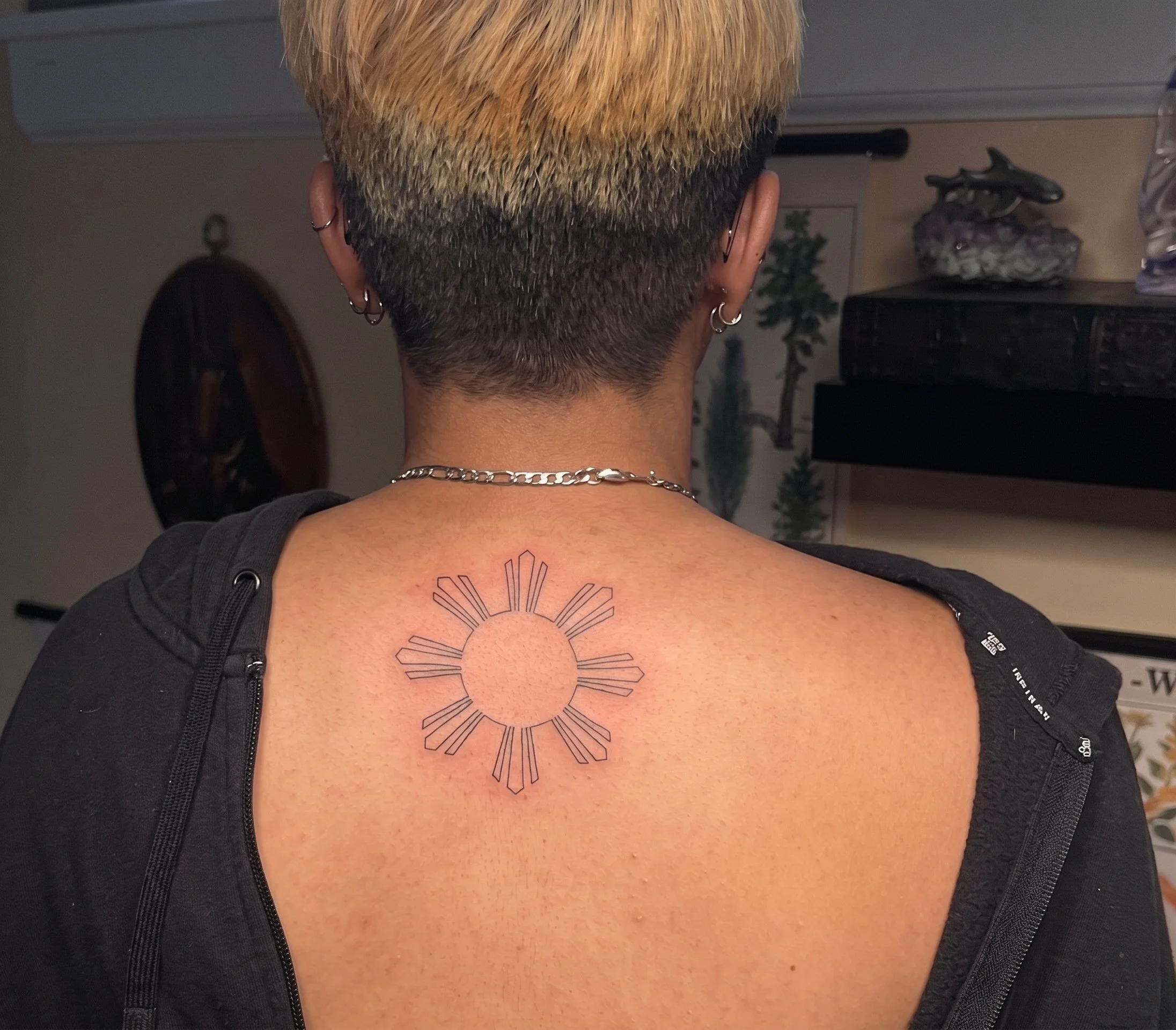
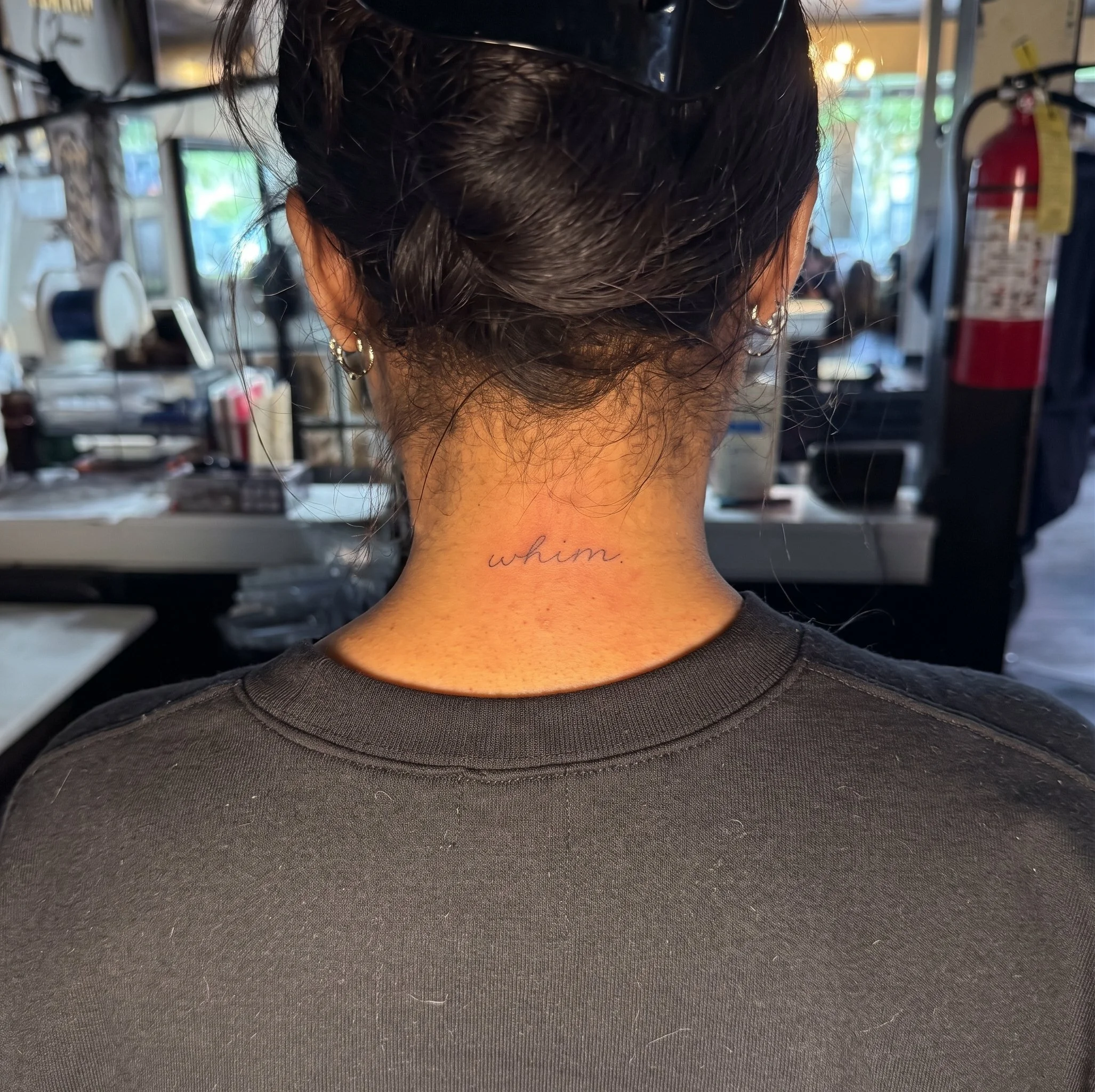
Back of the Neck / Nape
Highly versatile and universally flattering, the back of the neck is a fantastic canvas. It offers a great "hide or reveal" option: completely concealable with your hair down, but effortlessly chic with your hair pulled into a bun or updo.
| Factor | Rating / Detail |
|---|---|
| Pain Level | 3/10 (Surprisingly low pain, mostly just vibration) |
| Visibility | Variable (Depends entirely on your hair length and style) |
| Fading Risk | Low |
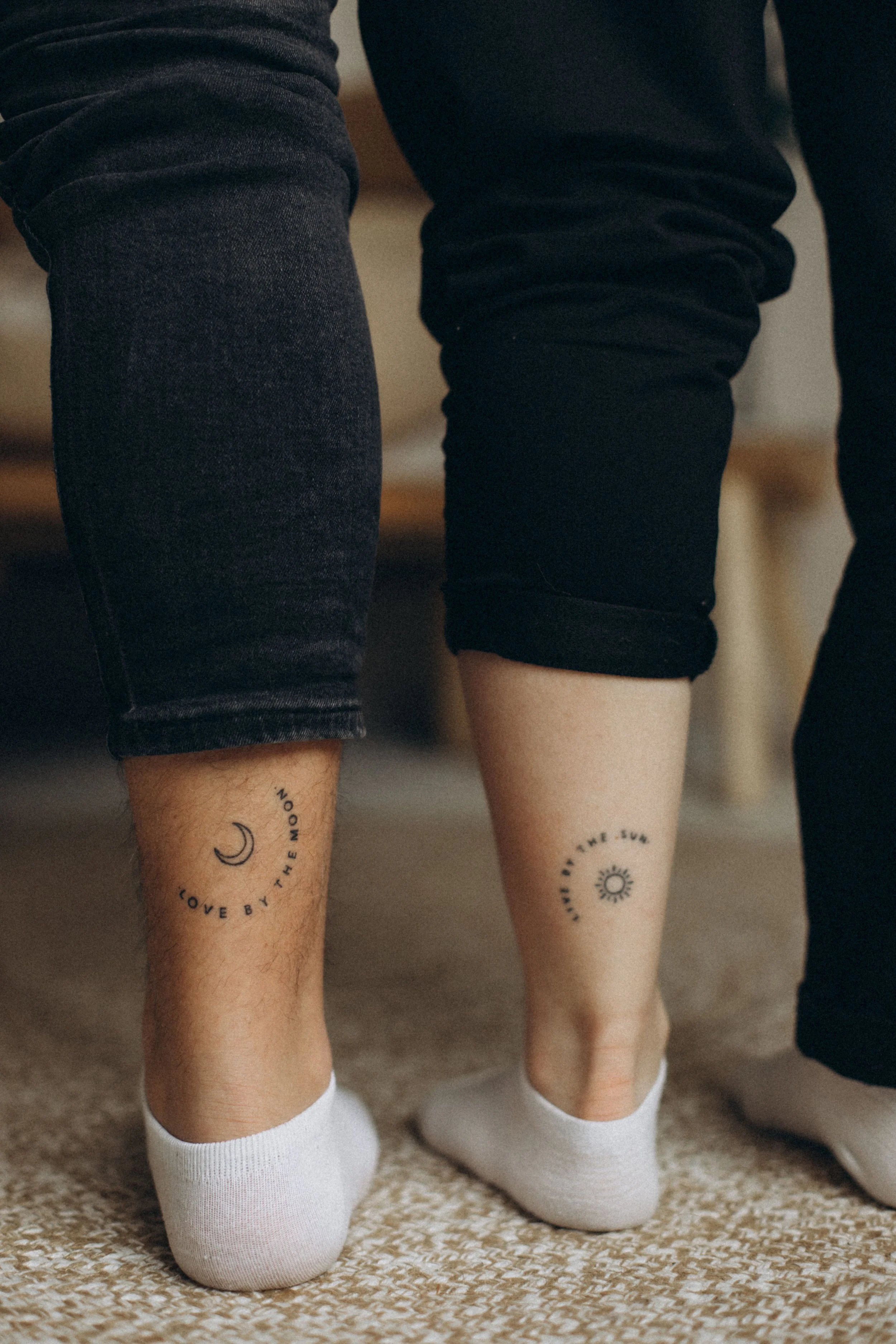
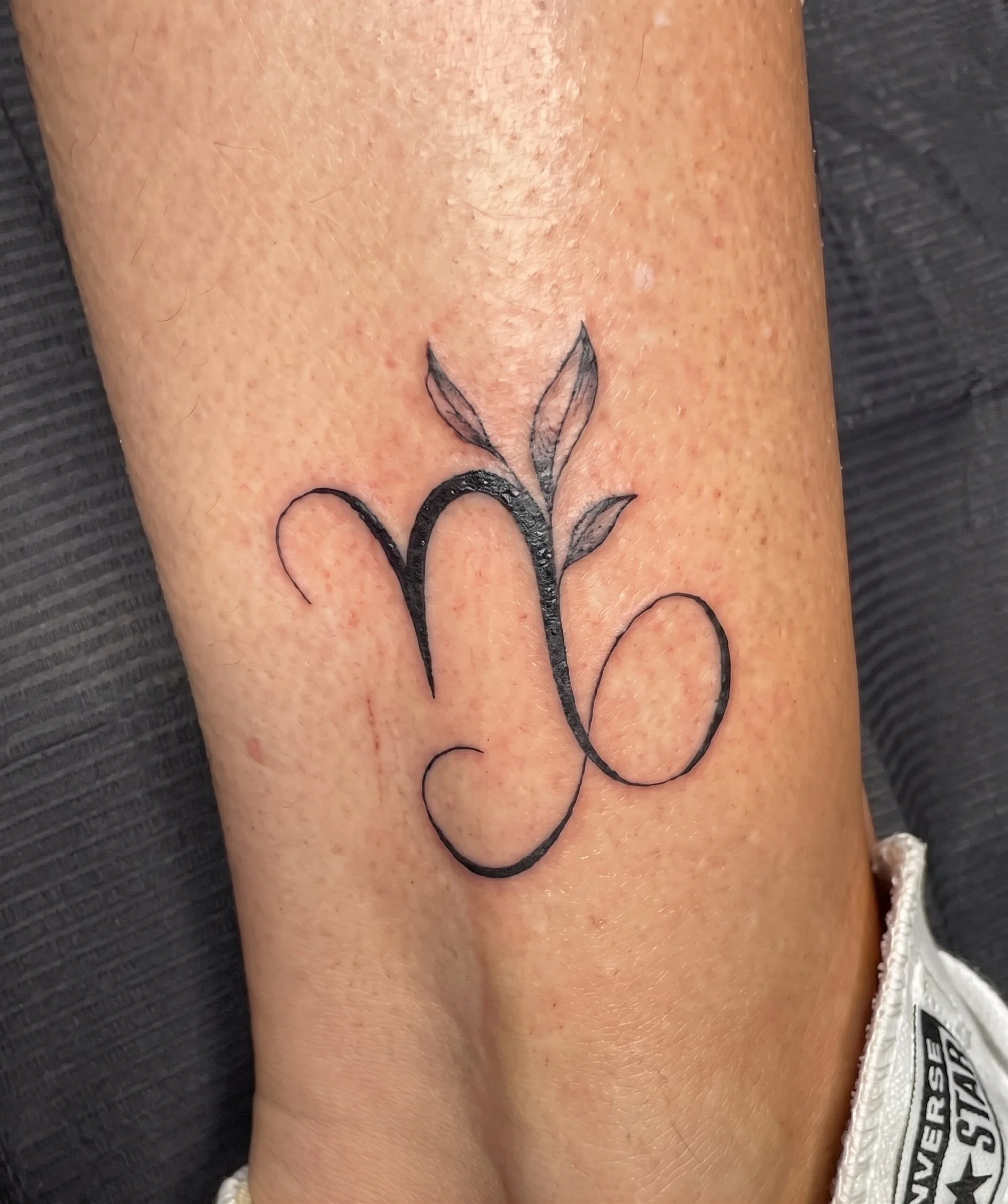
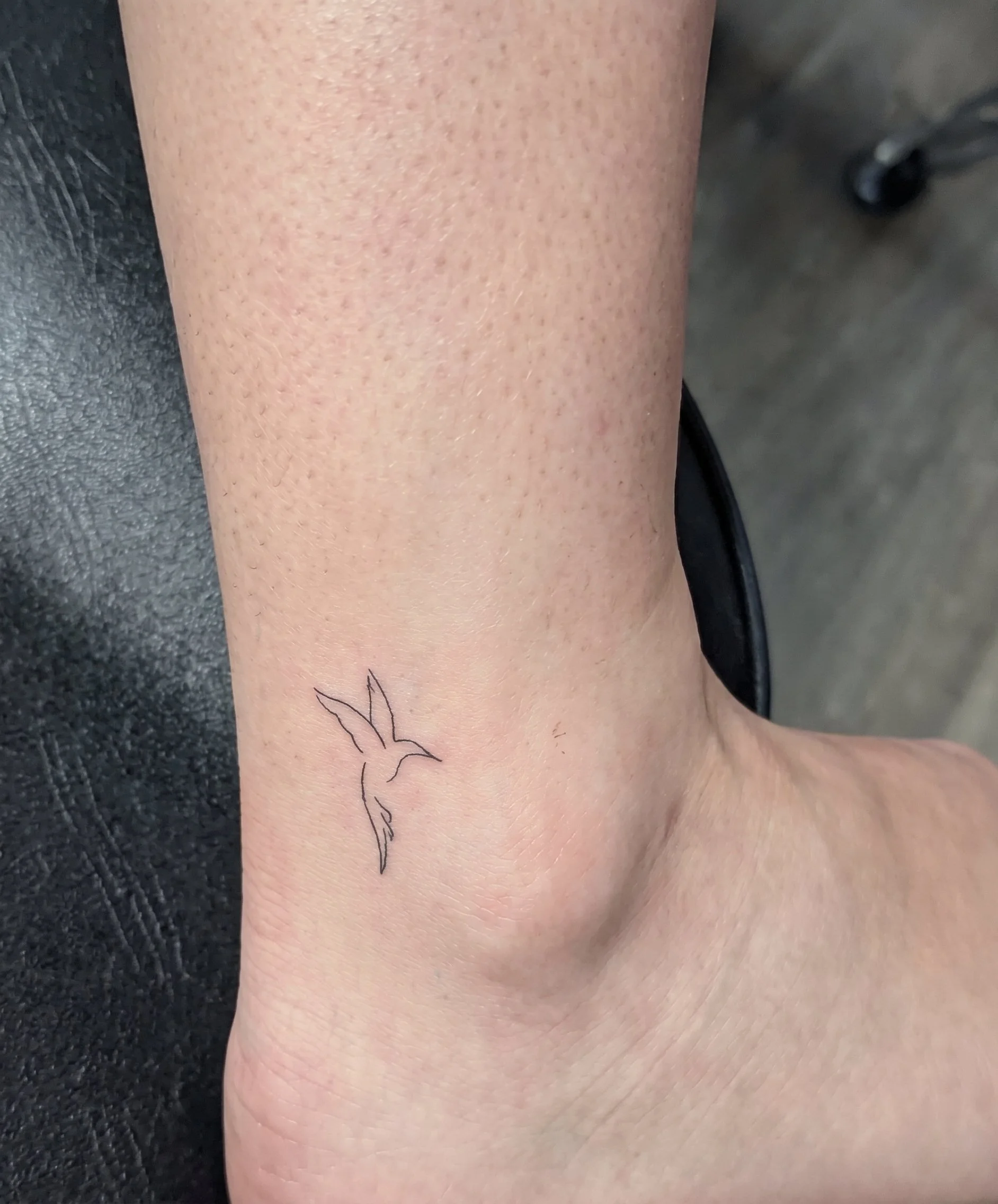
Ankle / Above the Heel
Dainty and delicate, ankle tattoos are incredibly popular for tiny minimalist art.
Pro Tip: Advise your artist to place the stencil slightly above your typical shoe line. Constant rubbing from sneakers, socks, or boots during the healing phase can easily ruin a fresh ankle tattoo.
| Factor | Rating / Detail |
|---|---|
| Pain Level | 5/10 (Can be sharp right on the ankle bone) |
| Visibility | Moderate (Depends on footwear) |
| Fading Risk | Moderate (High if rubbing against shoes) |
Trendy but Tricky Placements (Proceed with Caution)
Social media is full of tiny tattoos in unique places, but an internet photo only shows a tattoo on day one. Here is the reality of how these tricky placements age.
Fingers & Hands: Hand and finger tattoos are undeniably trendy, but the skin here regenerates rapidly and sheds constantly. A fine-line finger tattoo might look perfect for the first month, but blowouts (where the ink spreads) and heavy fading are the norm, not the exception. If you choose this spot, set realistic expectations: you will almost certainly need touch-ups.
Behind the Ear: This spot is cute and discreet, but the canvas is remarkably tiny and the skin is uniquely textured. Highly detailed designs will blur together over time here. If you want a behind-the-ear tattoo, stick to very simple, bold shapes (like a heart, a star, or a single letter).
Ribcage: A beautiful and intimate spot for small tattoos, but it comes with a catch. The pain is sharp, and the skin stretches continuously as you breathe, making it a challenging spot for the artist to pull a perfectly straight, fine line.
Hollyanna Jandarian
Expert Artist Opinion: The Reality of the "Pinterest Tattoo"
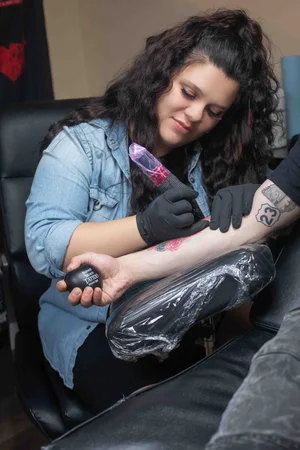
"The biggest misconception we see with small, minimalist tattoos is the idea that any highly detailed image can simply be shrunk down and placed anywhere," says Tessa, a resident custom artist at Burned Hearts in Columbus. "Clients often bring in photos of incredibly intricate, freshly done micro-tattoos on the side of a finger or the inner lip. But skin is a living, breathing canvas, not digital paper
As we age, macrophage cells in our immune system slowly shift the ink, causing lines to expand slightly. If a tiny design doesn't have enough 'negative space', or breathing room between the lines, and is placed on a high-friction area like the hand, it will eventually heal into a solid, blurry smudge. Our job as artists isn't just to give you a tattoo that looks great on day one, but to guide you toward a placement like the forearm or shoulder blade, where the design will hold its integrity for the next twenty years."— Holly, Resident Fine-Line & Custom Artist at Burned Hearts Tattoo
Matching the Tattoo Style to the Placement
Not every small design works on every body part. To get the best result, let the style dictate the location.
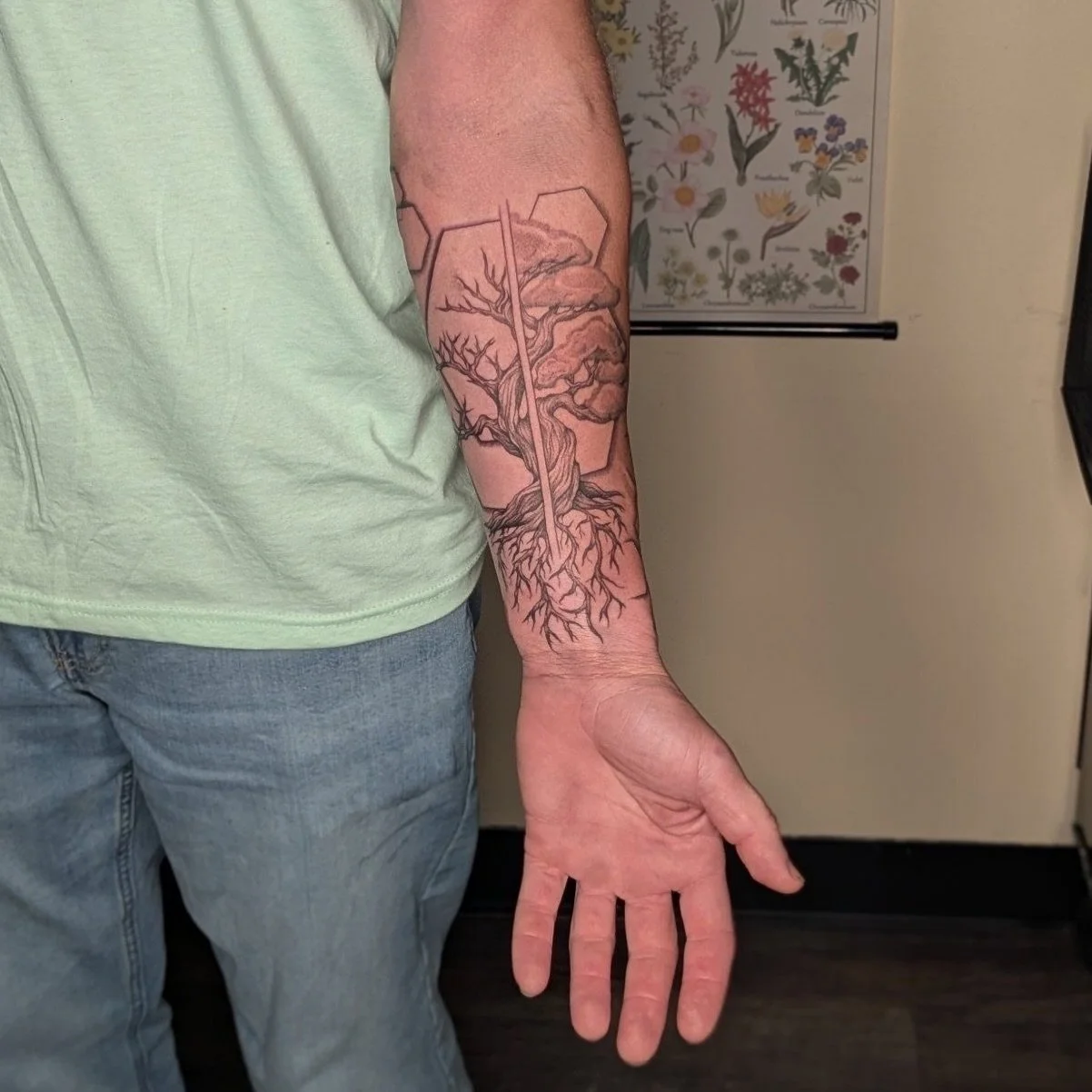
Minimalist & Fine Line: These ultra-delicate tattoos flourish in subtle areas with smooth, flat skin. The inner forearm, collarbone, and outer shoulder are ideal.
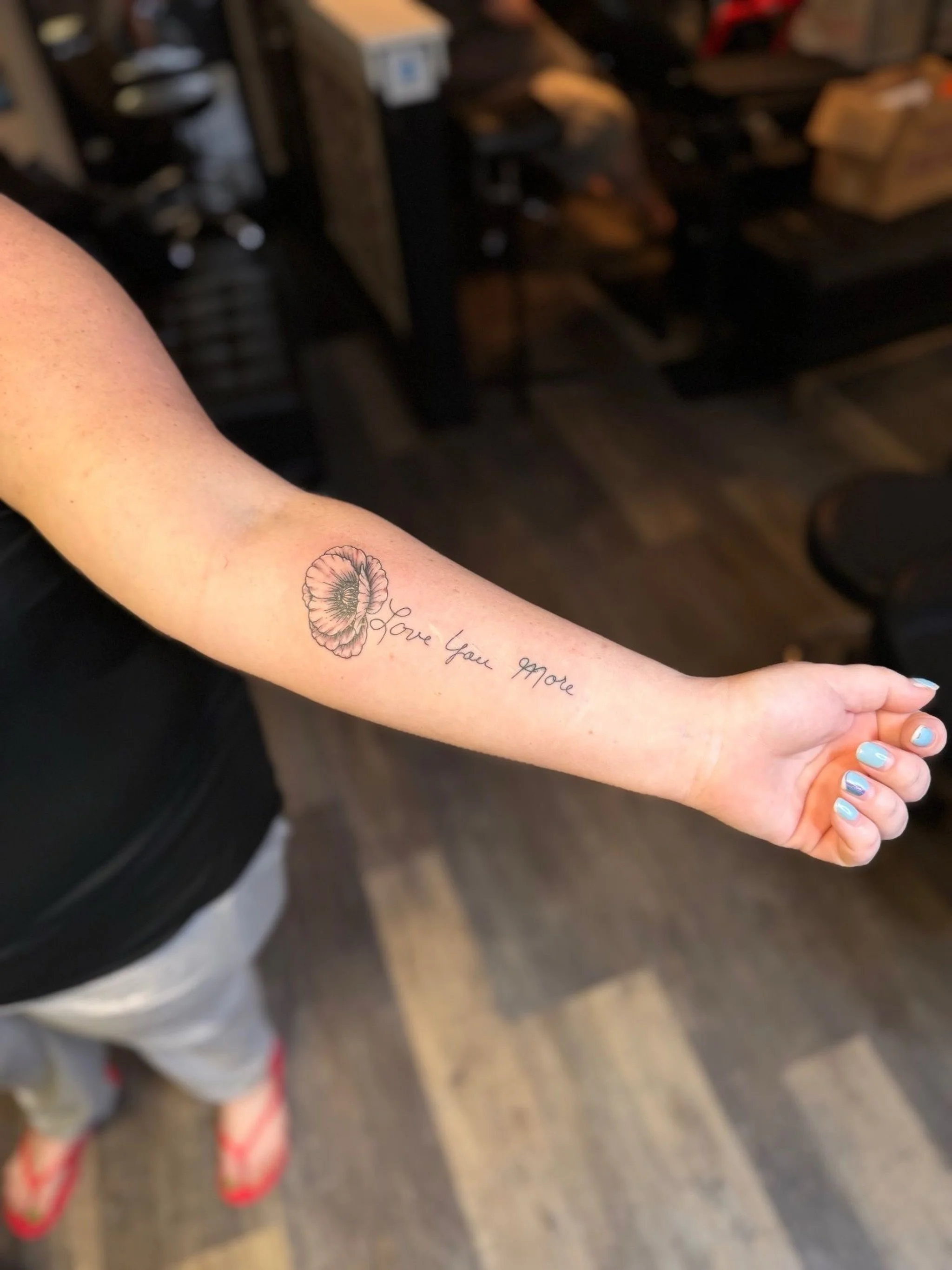
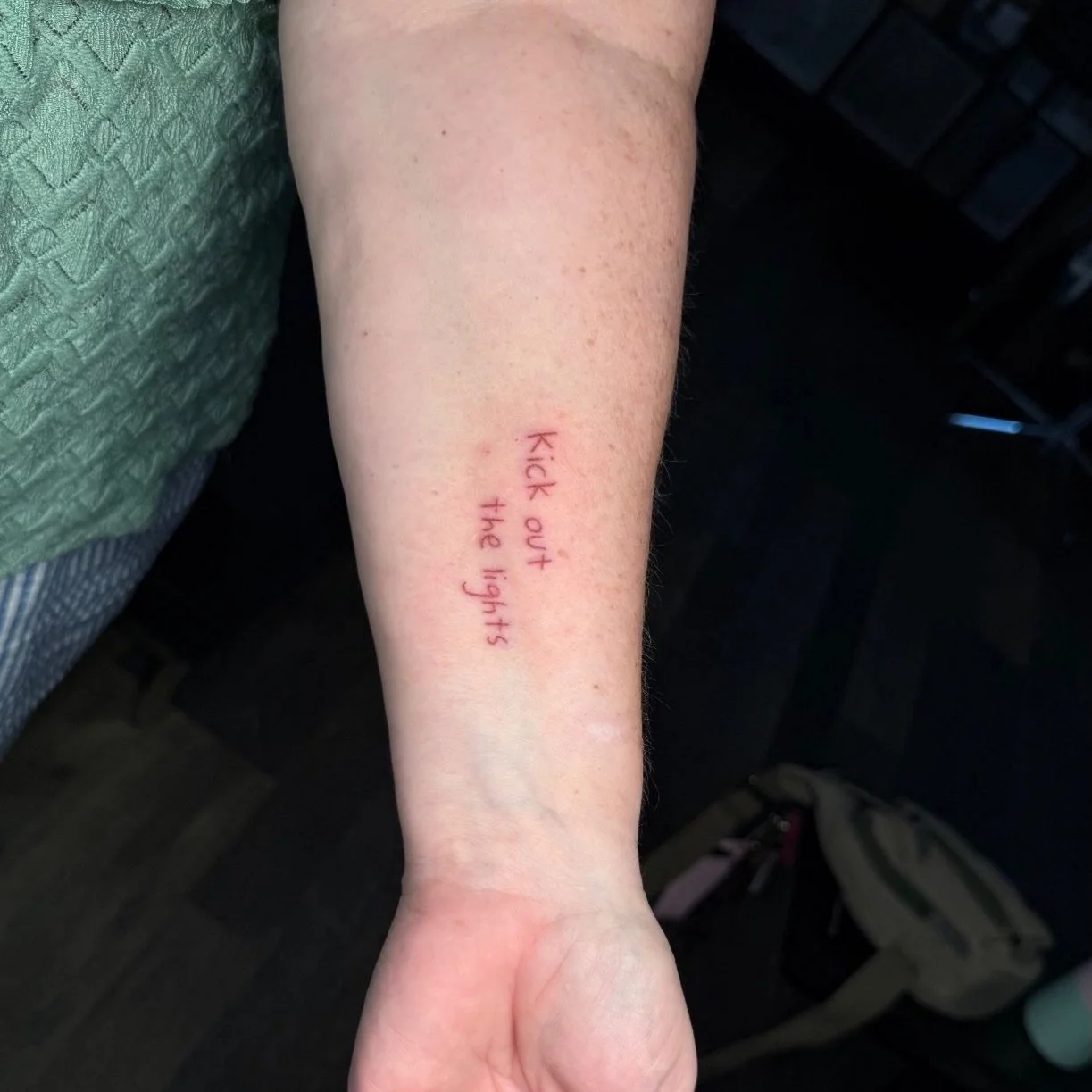
Script / Words: Text needs a flat, elongated surface so it does not wrap awkwardly around a curve. The forearm, side of the ribcage, or the space just below the collarbone keeps script legible and straight.
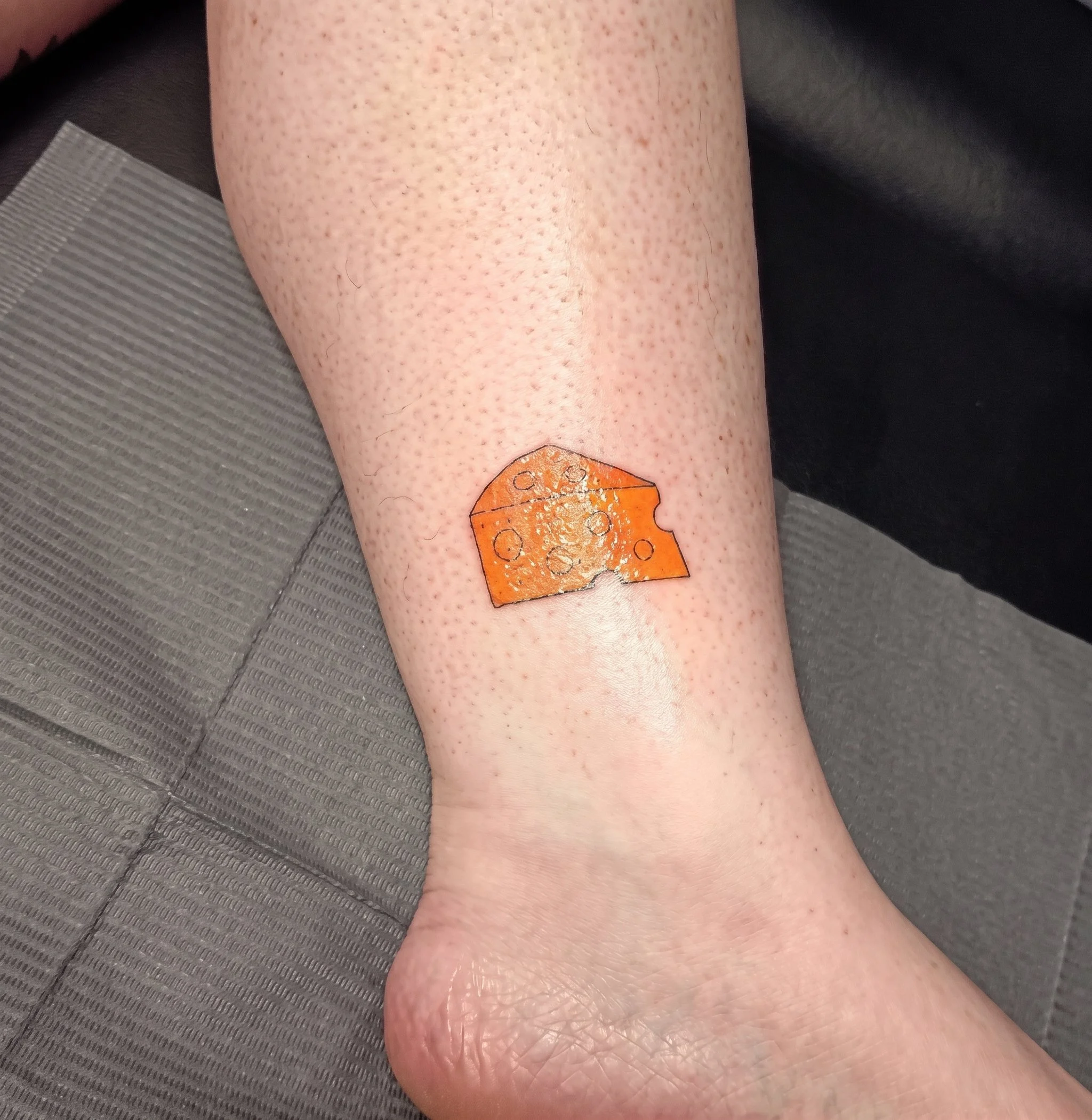
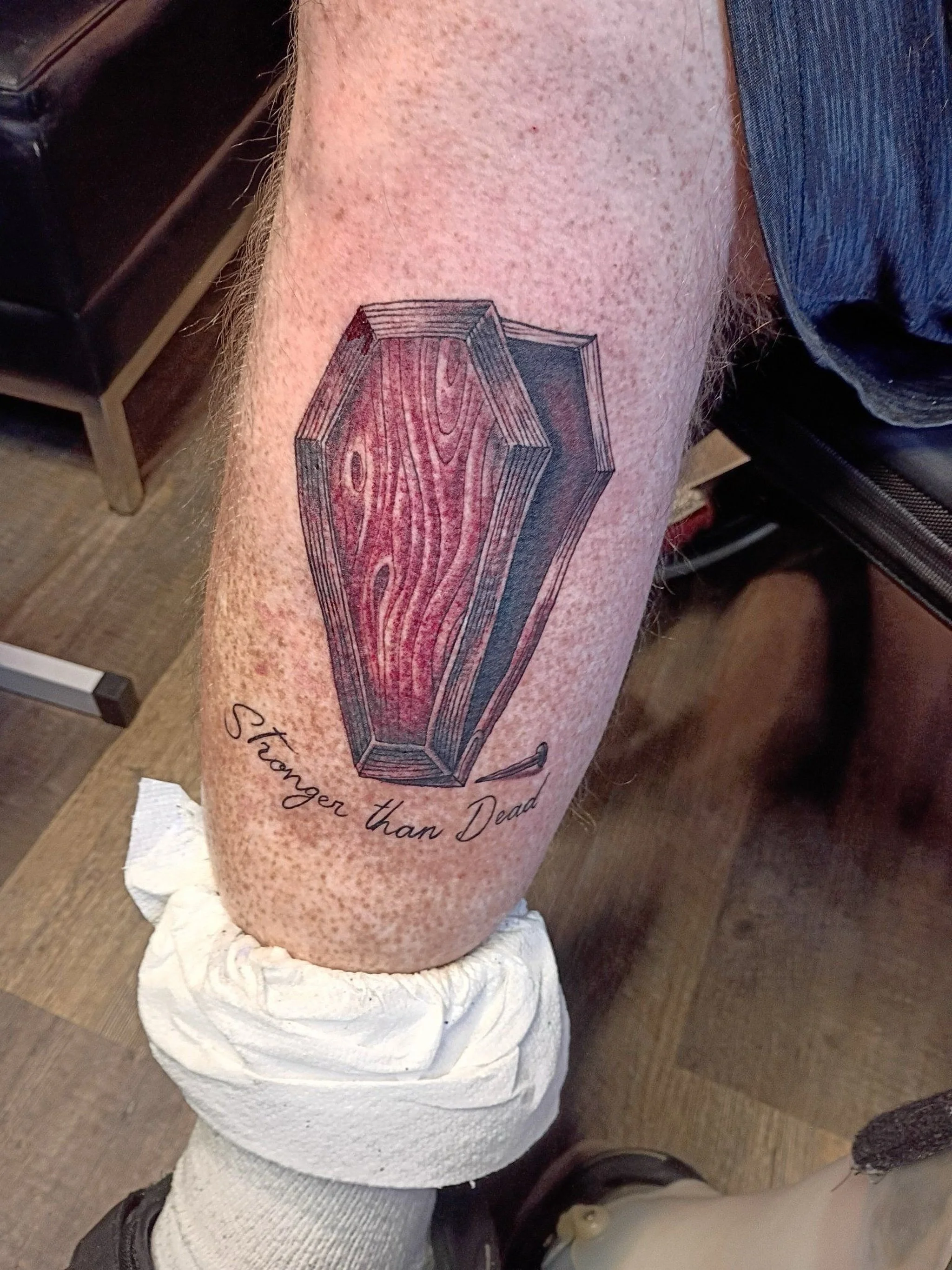
Flash Art: "Medium" sized small canvases are great for this. If you are browsing flash tattoo ideas, areas like the calves, outer bicep, or thighs are perfect blank slates that give the artist enough room to add color or shading to pre-drawn pieces.
Getting a Small Tattoo in Columbus, Ohio
If you are local to Ohio, you know that finding the right artist is critical. You shouldn't just walk into any shop for fine-line or small work, as tiny details require a steady hand and immense precision. Mistakes in small tattoos are incredibly hard to hide.
Burned Hearts stands out as one of the top rated tattoo shops in Columbus, Ohio. The studio prides itself on providing a family-friendly, welcoming environment that is perfect for first-timers who might be nervous about placement and pain.
Whether you want to pull a classic minimalist design off the wall or work with talented artists like Tessa or Abraham for custom tattoos, the experience is tailored to you. Plus, the shop operates 24/7 by appointment, meaning you can fit your new ink into your schedule, no matter how busy you are.
Find Your Ideal Canvas
Small tattoos demand strategic placement. Filter by your personal pain threshold, visibility needs, and daily wear to match your design with the right anatomical zone.
Next Steps: Cost, Healing, and Inspiration
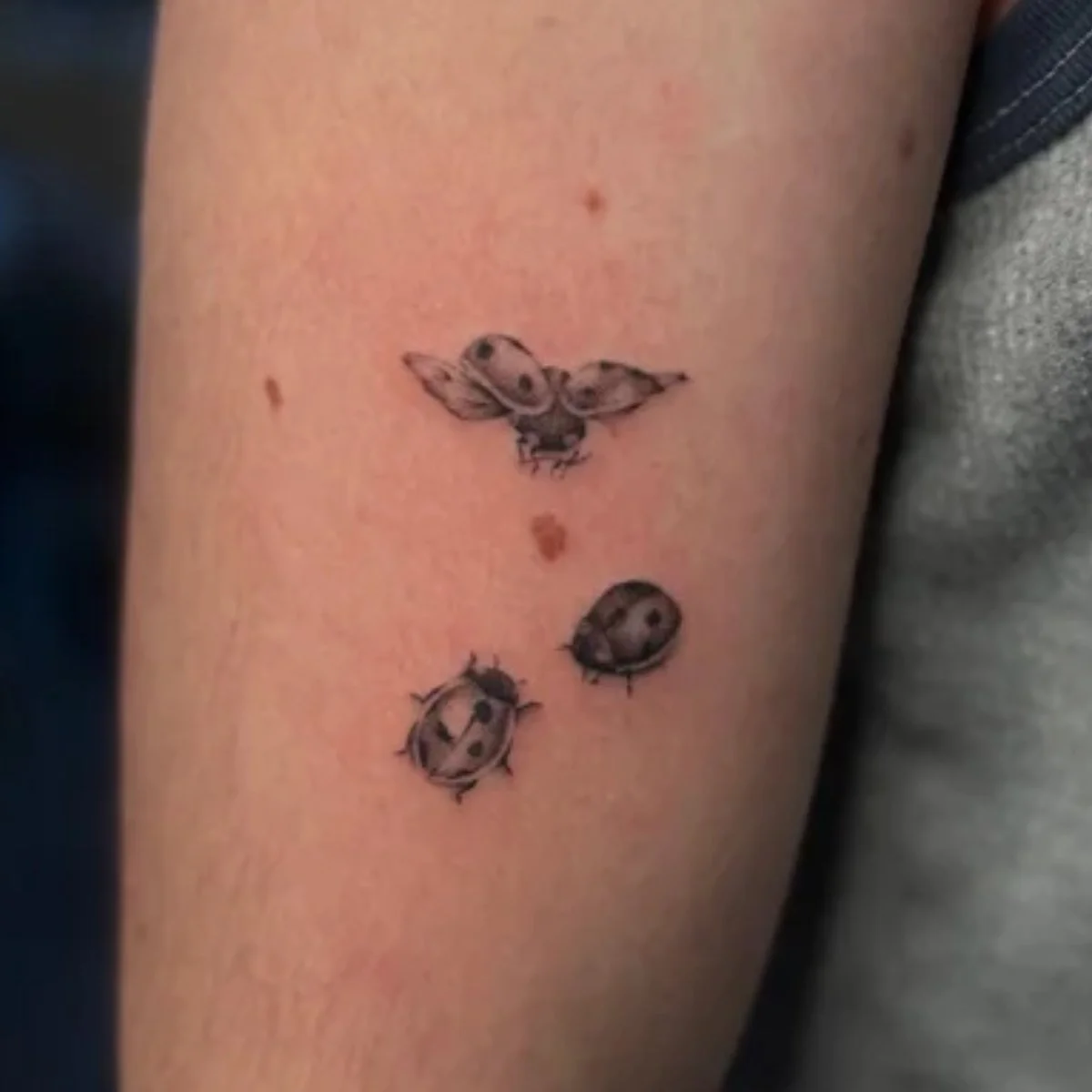
Now that you know the best places for small tattoos, the logistics are easy. Because of their size, small tattoos are generally priced by the shop minimum or by a short hourly rate, making them highly accessible. They also boast incredibly fast healing times compared to large pieces, often settling into the skin in just a week or two.
Ready to brainstorm your design? Dive into our complete guide to small tattoos for deeper inspiration on symbols, meanings, and matching concepts to bring to your artist.
Ultimately, the best tattoo placement is the one that makes you feel confident and happy in your own skin. Reach out to your local shop to book a consultation and map out the perfect spot for your next piece.
Frequently Asked Questions
-
The outer shoulder blade is generally the least painful spot for a small tattoo (rated a 2/10 for pain), as the skin is flat, tight, and well-cushioned. The back of the neck is another excellent low-pain option, mostly resulting in a vibrating sensation rather than sharp pain.
-
Small tattoos last the longest in areas that experience low friction, minimal stretching, and limited exposure to direct sunlight. The outer shoulder blade, the collarbone, and the inner forearm (kept out of the sun) are the best spots to keep fine-line designs crisp for decades.
-
Yes. Despite being highly popular on social media, finger and hand tattoos fade and "blow out" (blur) much faster than tattoos on other body parts. This is due to constant friction, frequent hand washing, and rapid skin cell turnover. If you get a small tattoo here, expect to need regular touch-ups.
-
Because they cover a very tiny surface area, small tattoos heal much faster than large pieces. The initial surface healing (where flaking and peeling stop) usually takes just 1 to 2 weeks, while the deeper layers of the skin will fully settle in about 4 to 6 weeks.

Read more…