Small Tattoo Ideas: The Complete Guide to Designs, Costs & Placements
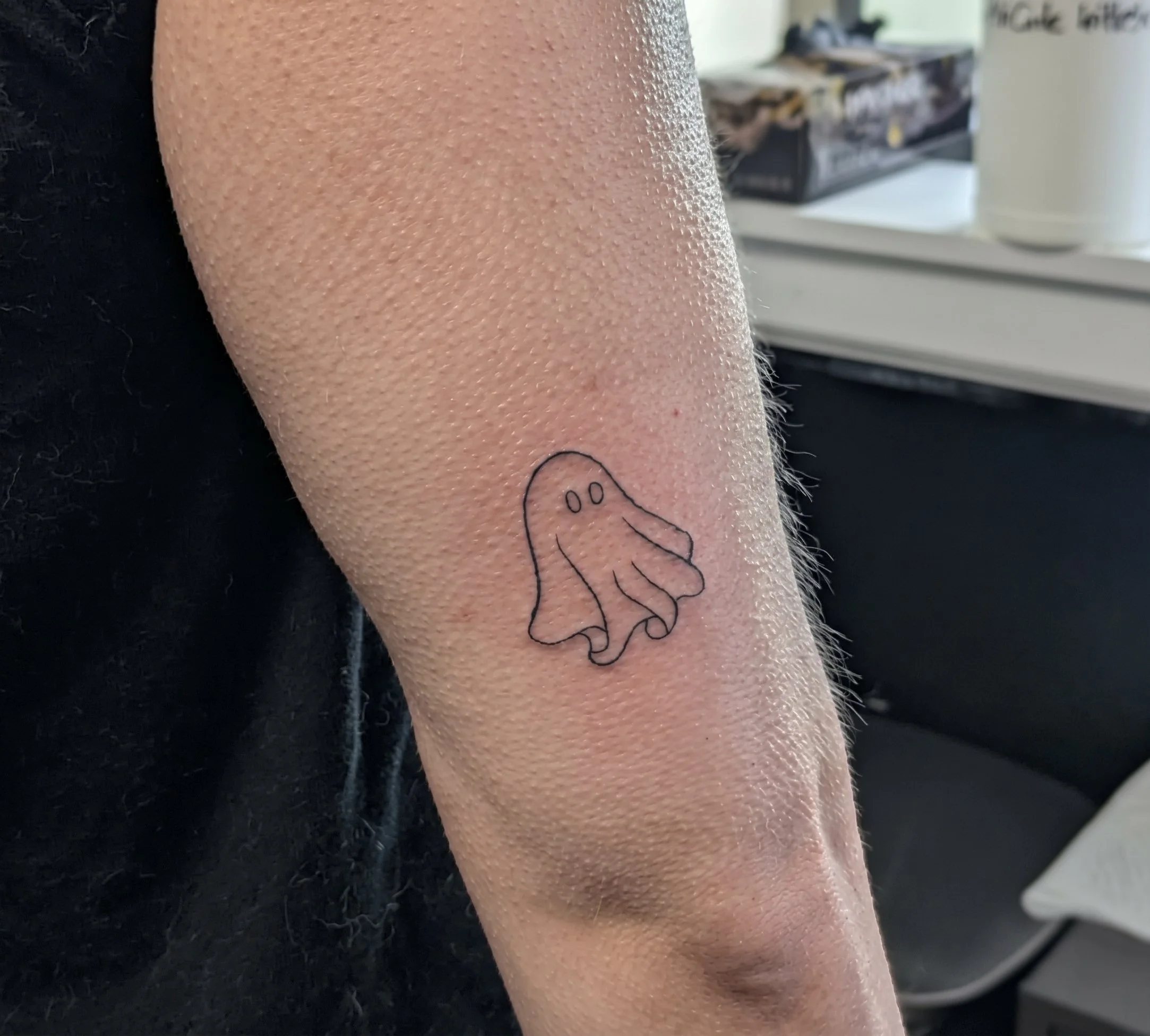
Small tattoos have evolved from subtle starter ink into one of the most expressive, highly sought-after forms of personal body art. Whether you are walking into a studio for your very first piece or looking to add a delicate accent between larger custom works, a small tattoo offers timeless style with minimal commitment.
Navigating design choices, realistic cost expectations, long-term line aging, and healing can feel overwhelming. This guide breaks down everything you need to know before getting inked from trending minimalist concepts and placement longevity to professional cost structures and essential aftercare. If you are seeking a warm, family-friendly, and professional environment, visiting one of the best tattoo shops in Columbus, Ohio ensures your vision is crafted with precision, sterile care, and artistic integrity.
What is a small tattoo?
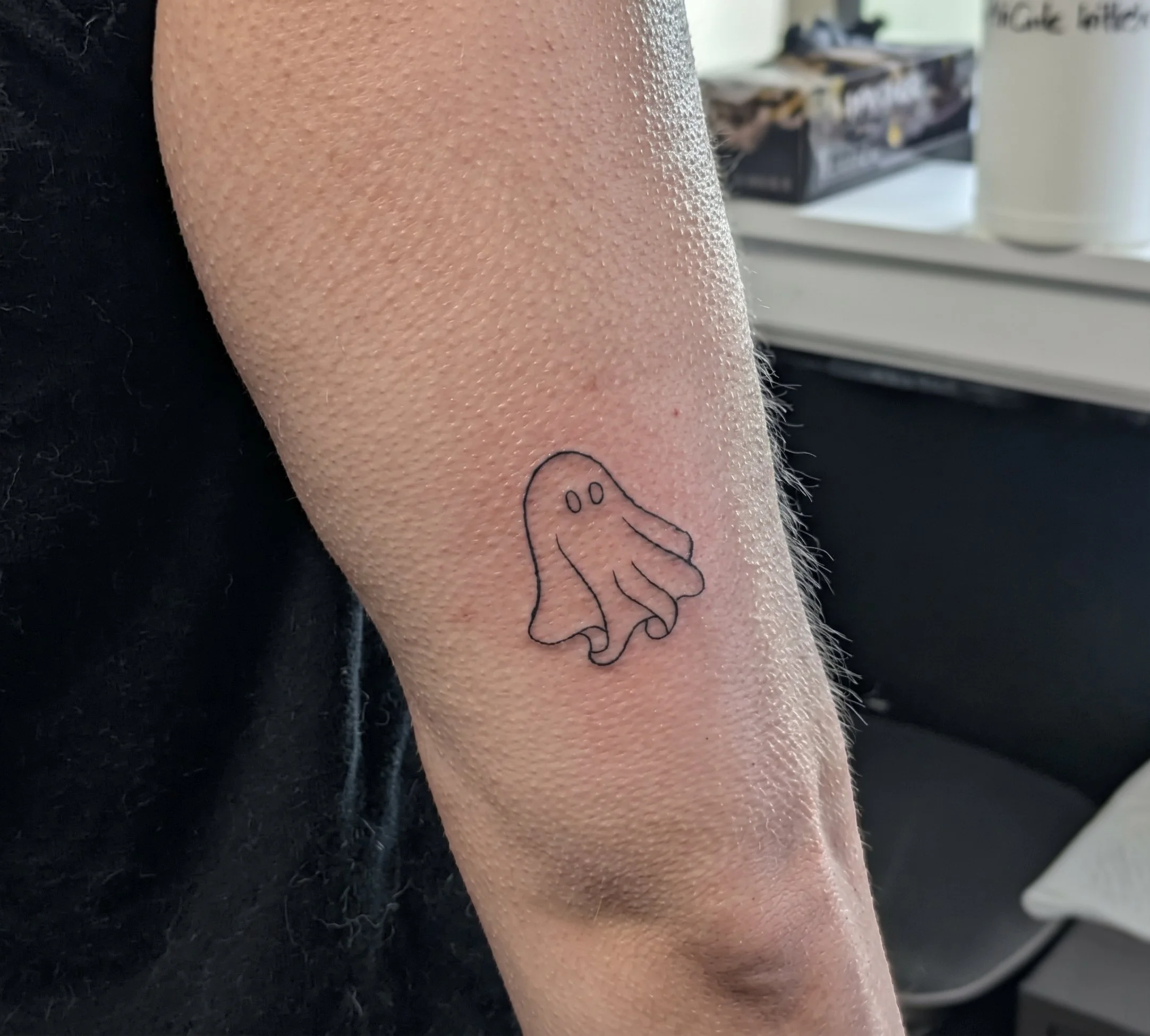
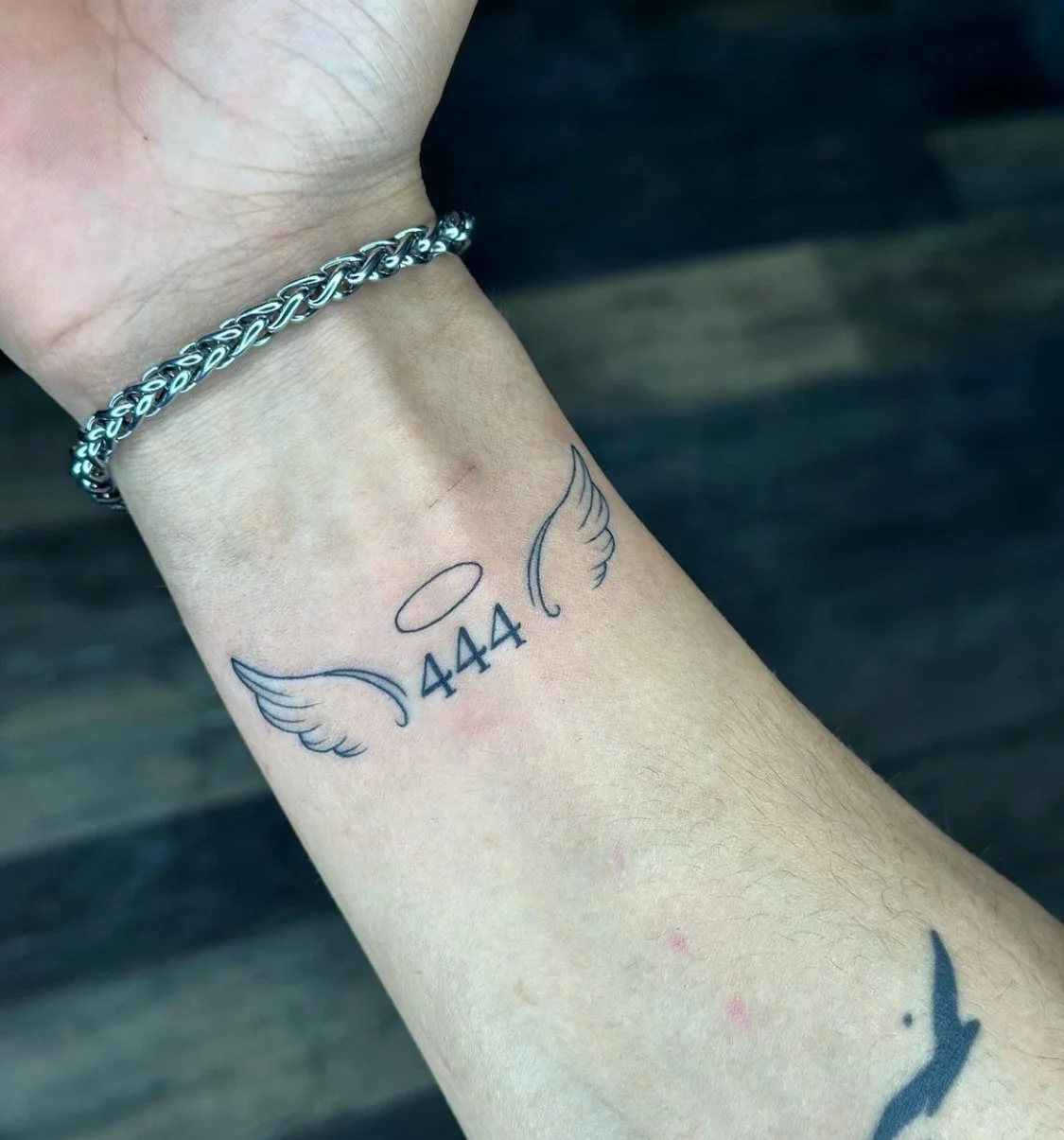
A small tattoo generally ranges in size from under 1 inch (micro or tiny tattoos) up to 3 inches across. Popular small tattoo designs include fine-line botanical art, meaningful symbols (like semicolons and unalomes), minimalist single-word lettering, and geometric shapes. Small tattoos usually take between 30 and 90 minutes to complete and cost between $80 and $250, depending on detail, artist expertise, and shop minimums.
Top Small Tattoo Ideas and Popular Design Styles
When choosing a small design, simplicity and clarity are paramount. Because smaller skin canvases leave less room for heavy shading, leaning into clean lines and purposeful silhouettes ensures your piece remains crisp over time.
1. Fine-Line & Micro Realism
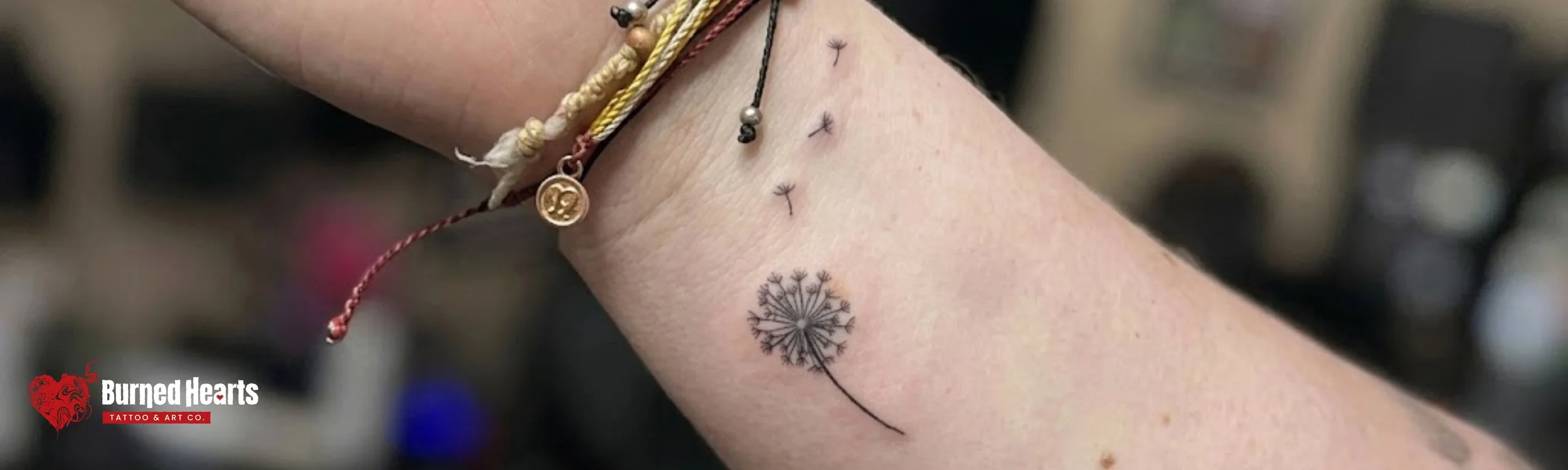
Fine-line tattooing utilizes single needles (such as a 1RL or tight 3RL) to create razor-thin, intricate designs. Micro-realism—ranging from tiny pet portraits to miniature vintage keys—delivers astonishing detail on a tiny canvas. These pieces rely on delicate contrast and precise depth control to achieve depth without overwhelming the skin.
2. Botanical & Floral Elements
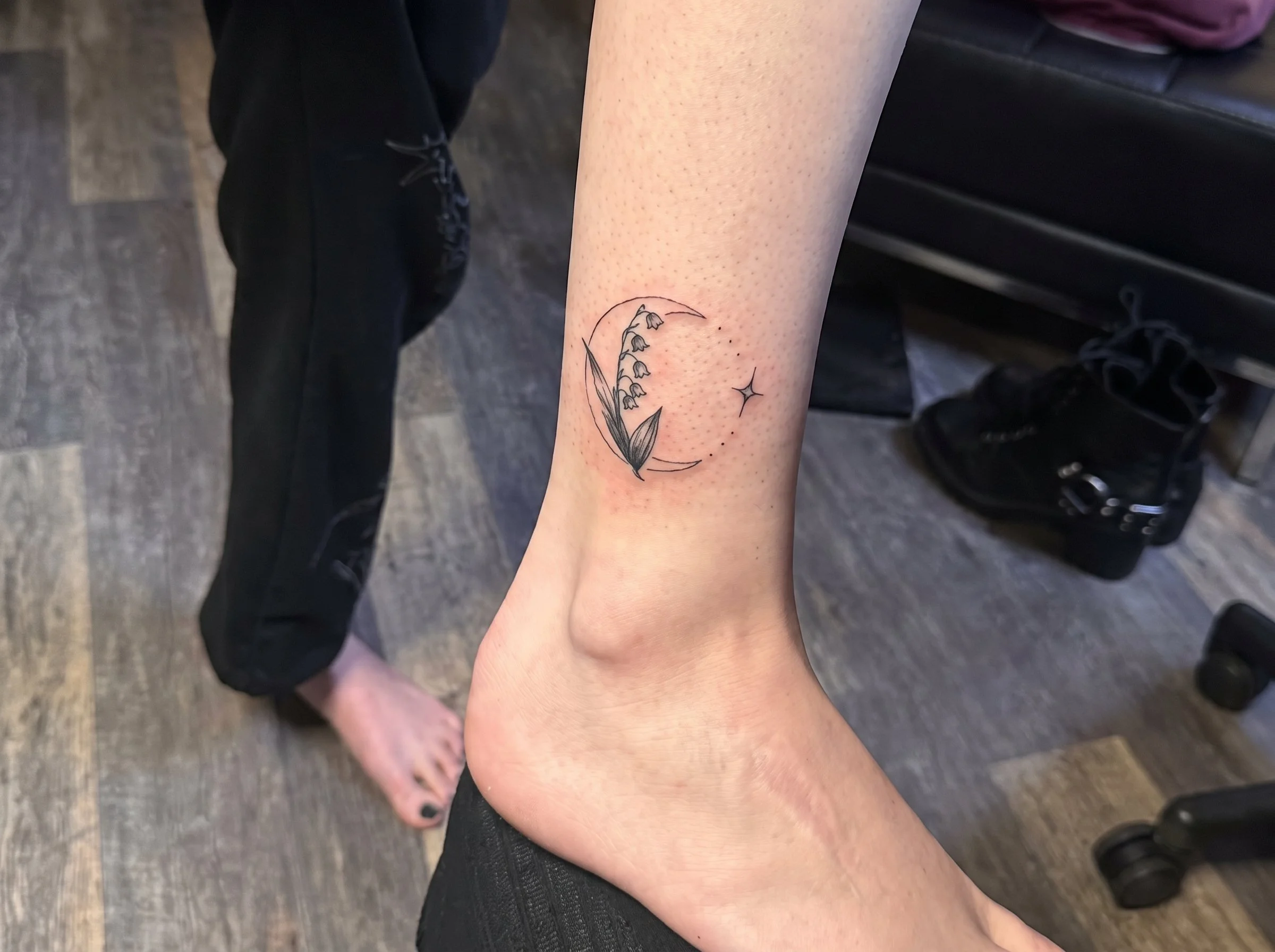
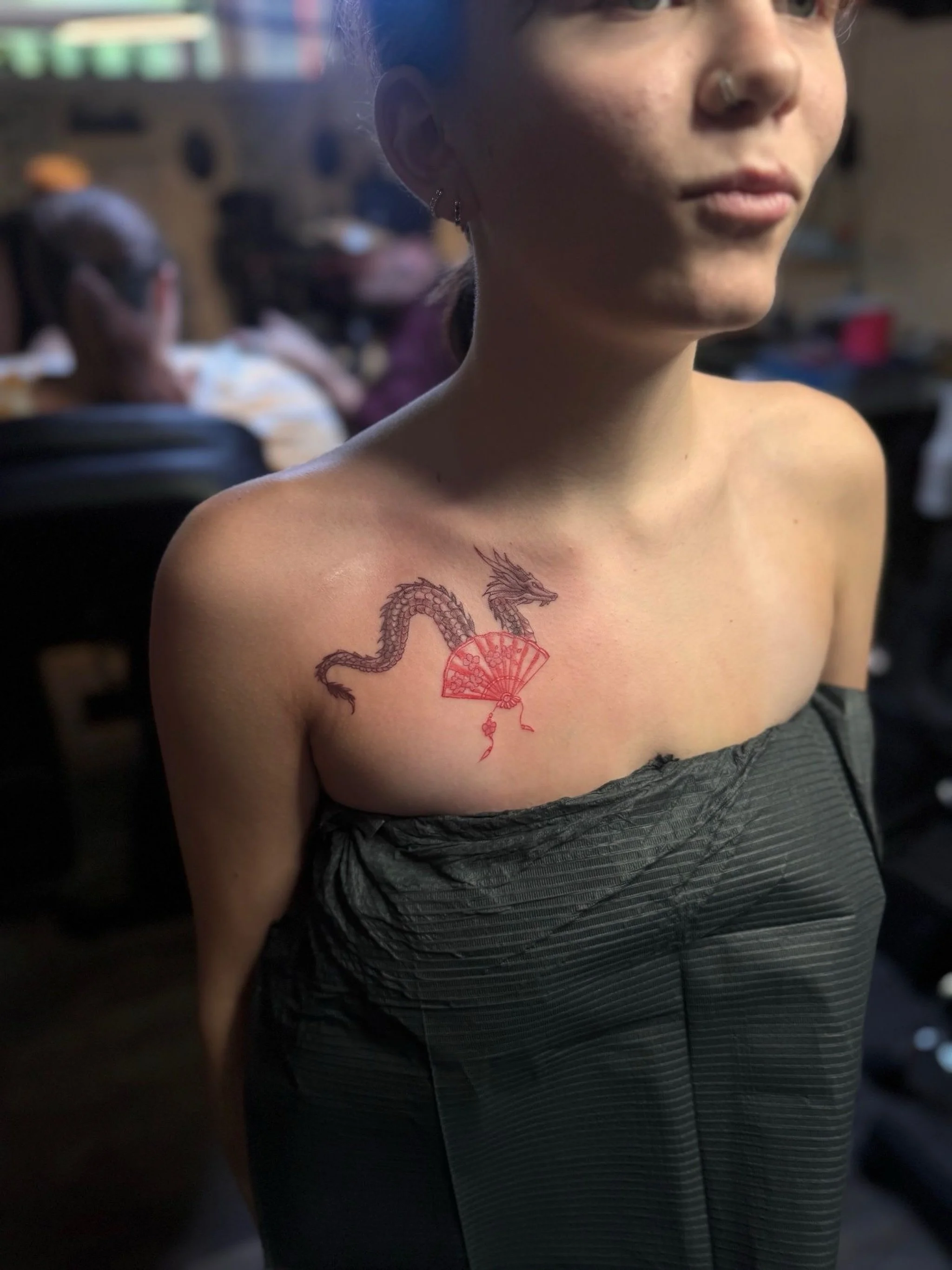
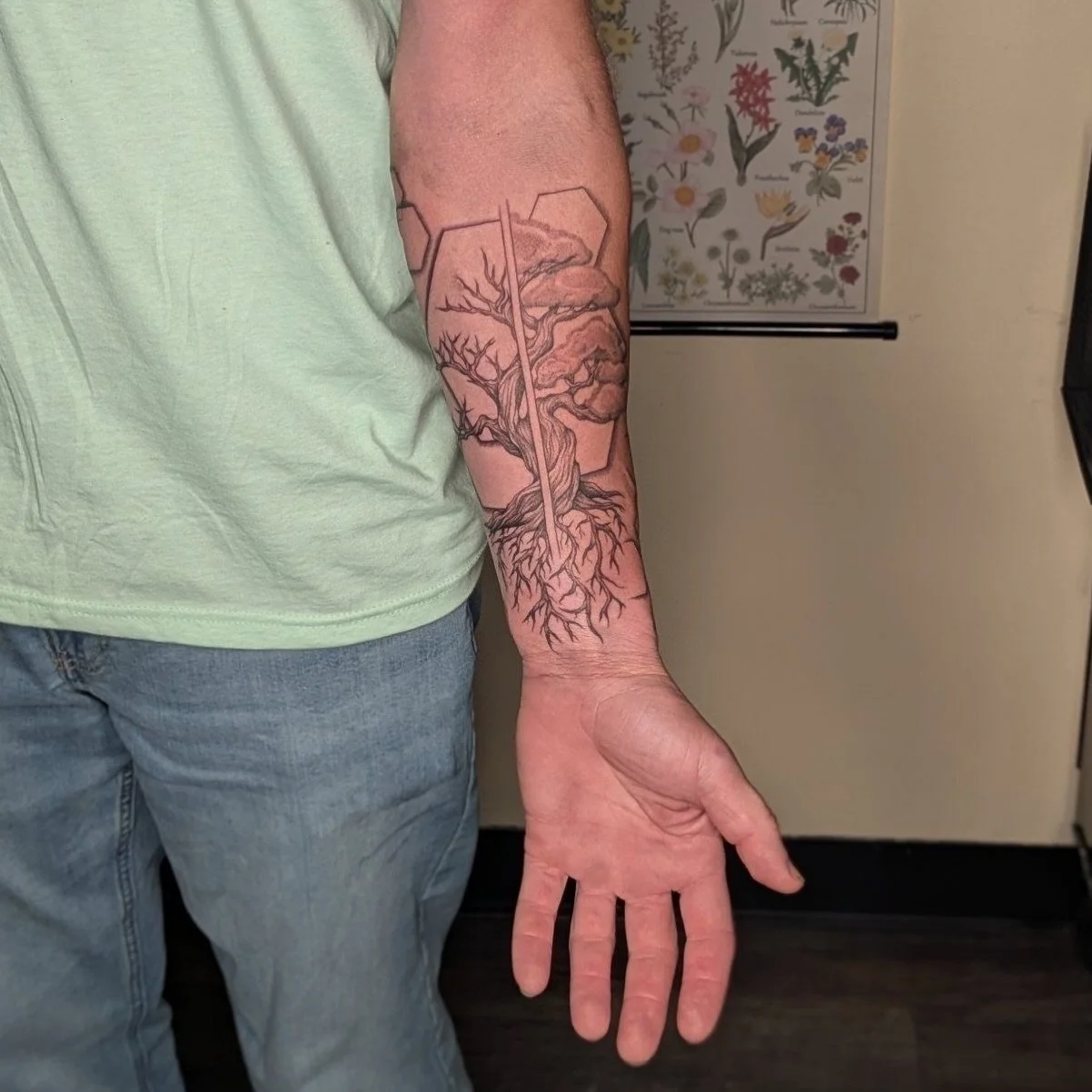
Wildflowers, olive branches, delicate leaves, lavender sprigs, and single-stem roses remain timeless favorites. Floral elements naturally contour to body curves, making them especially flattering along collarbones, forearms, ankles, and ribs. They offer fluid organic movement that adapts seamlessly to natural body shapes.
3. Meaningful Symbols
Small symbols pack powerful personal narratives into minimal space:
Semicolon: Represents hope, mental health awareness, resilience, and continuing your personal story.
Unalome: A spiritual motif from Buddhist tradition symbolizing the winding path toward enlightenment and self-awareness.
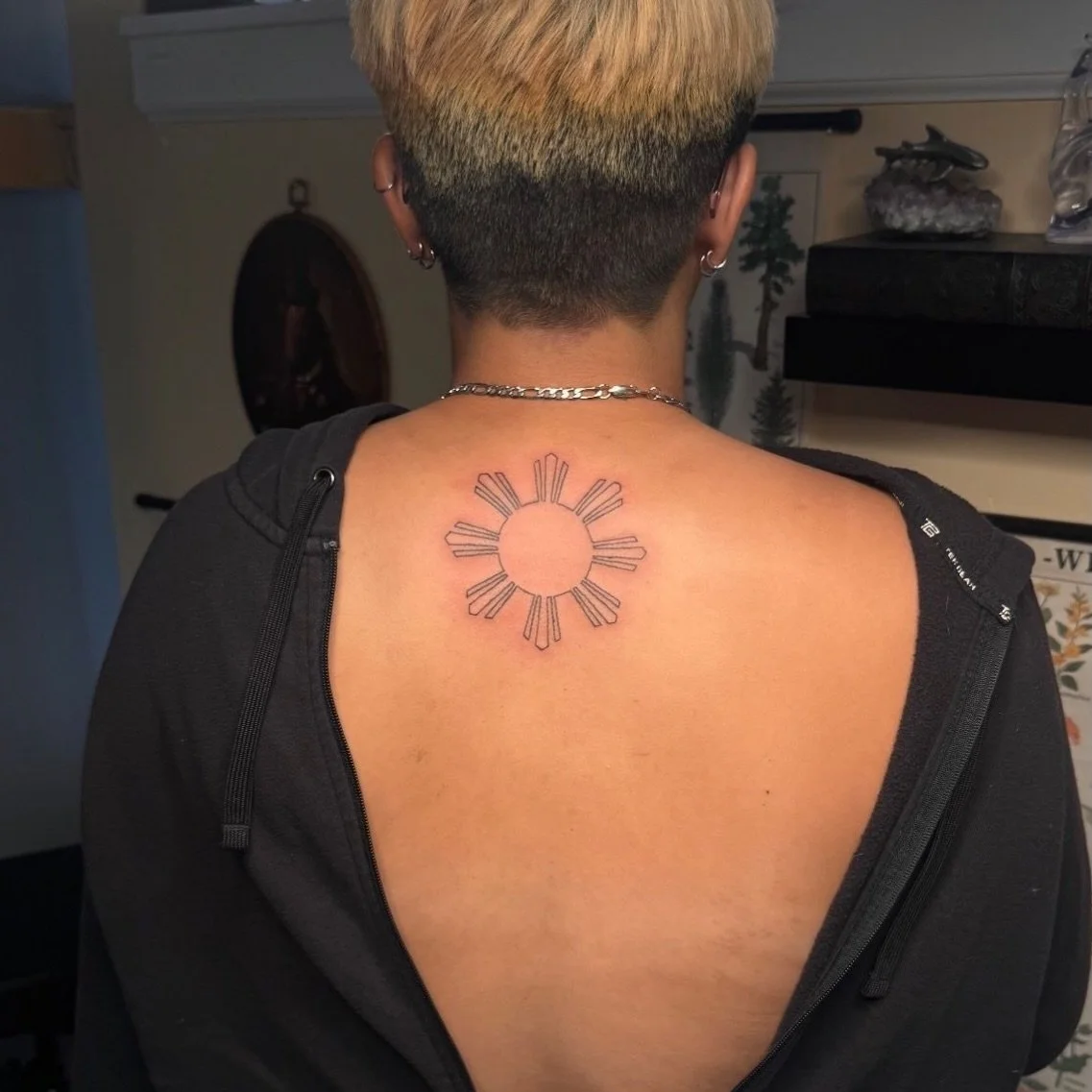
Celestial Icons: Tiny crescent moons, sunbursts, North Stars, and constellation clusters.
Wave Lines: Signifying adaptability, emotional depth, strength through change, or a connection to nature.
4. Small Simple Tattoos & Typography
Miniature scripts, meaningful dates in Roman numerals, coordinates, or single-word mantras (such as "grace", "still", or "balance") offer subtle daily reminders. Opting for clean sans-serif or refined cursive fonts prevents ink from bleeding together as it ages naturally under the skin.
5. Classic & Retro Motifs
For lovers of traditional tattoo culture, mini versions of classic flash motifs—like tiny daggers, swallows, dice, horseshoe icons, or classic banners—bring vintage charm without requiring a full sleeve commitment.
Placement Matters: Where Should You Put Your Small Tattoo?
Selecting the right placement involves balancing visibility, pain tolerance, skin movement, friction levels, and long-term ink retention.
High-Visibility Placements
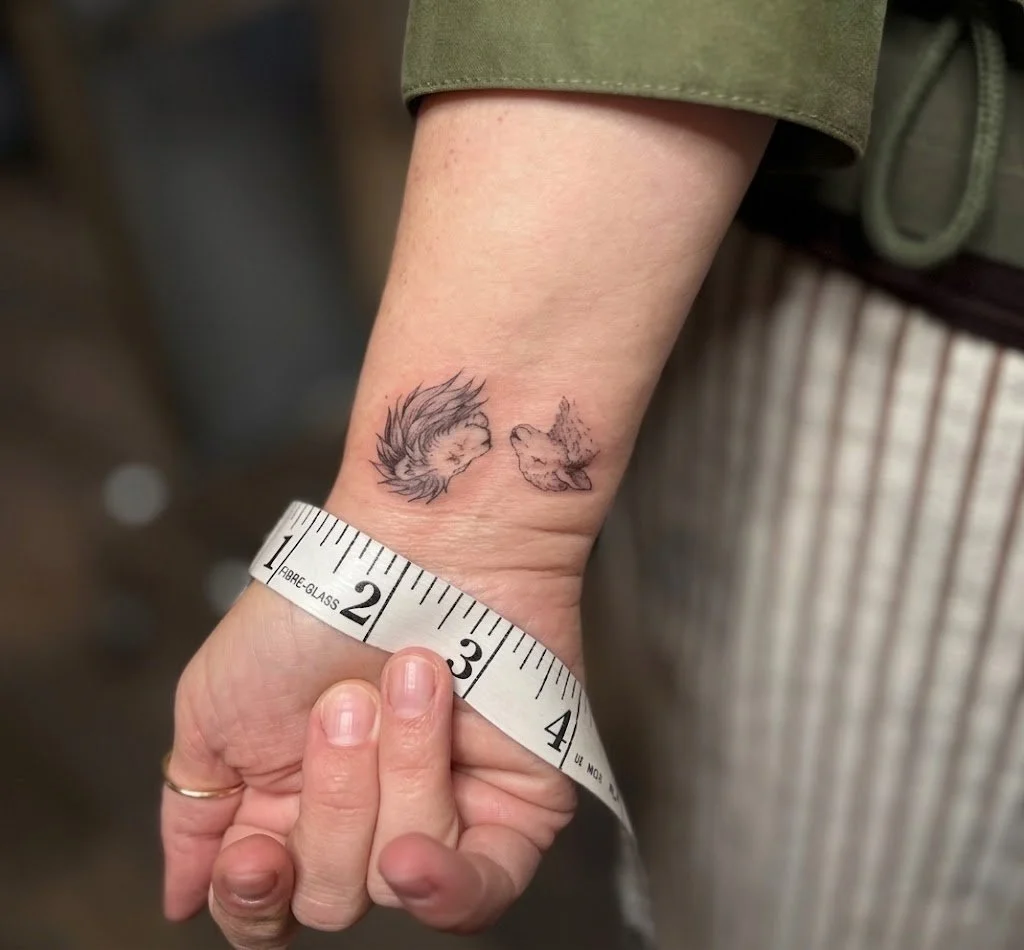
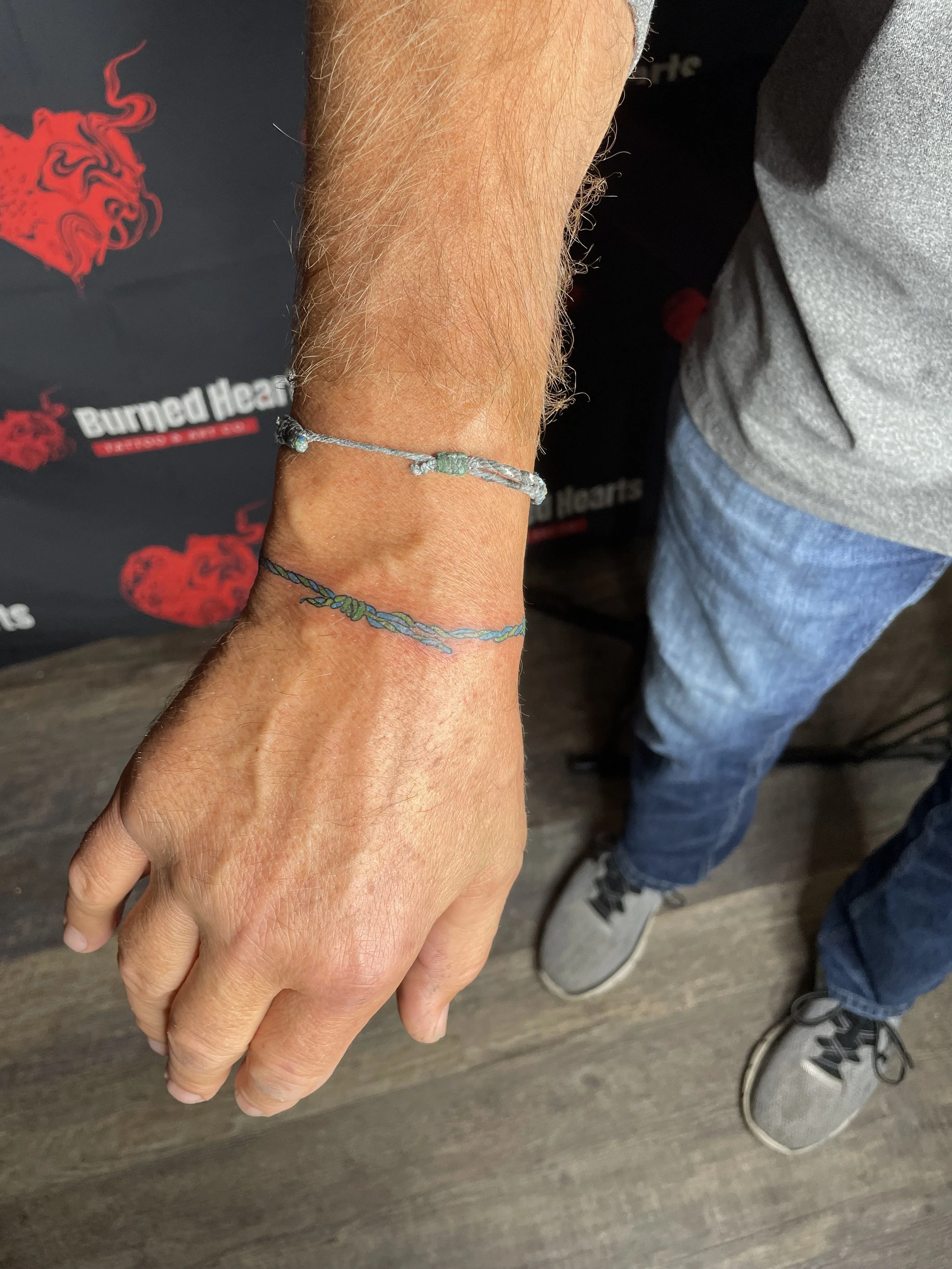
Inner Wrists & Forearms: Easily displayed or covered with a watch strap. These areas experience moderate sun exposure, so consistent SPF use is vital to preserve line sharpness.
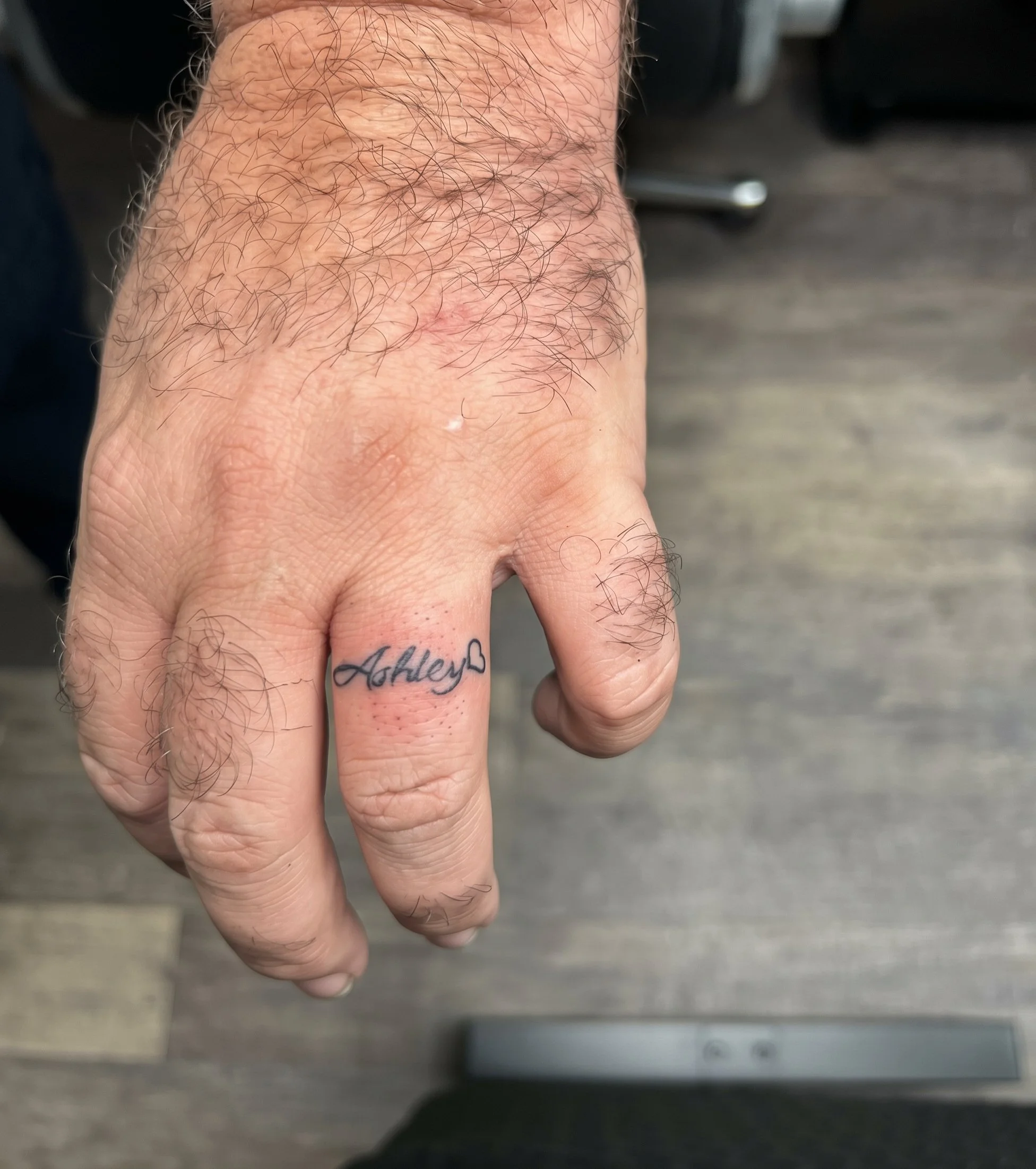
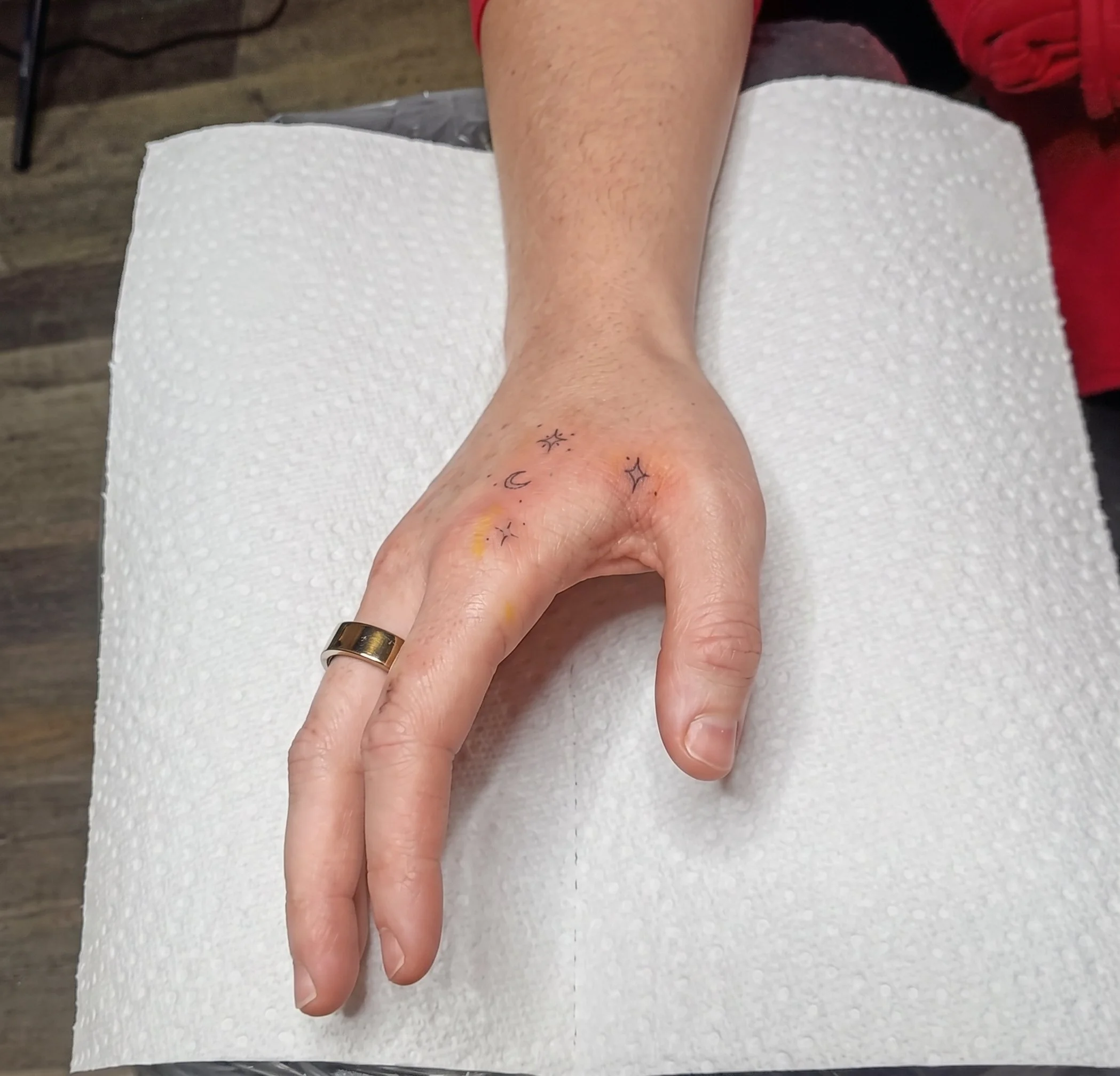
Fingers & Hands: Highly trendy and expressive, but subject to rapid skin cell turnover, frequent washing, and high friction. Fine lines on fingers require occasional touch-ups to remain crisp over the years.
Subtle & Discreet Placements
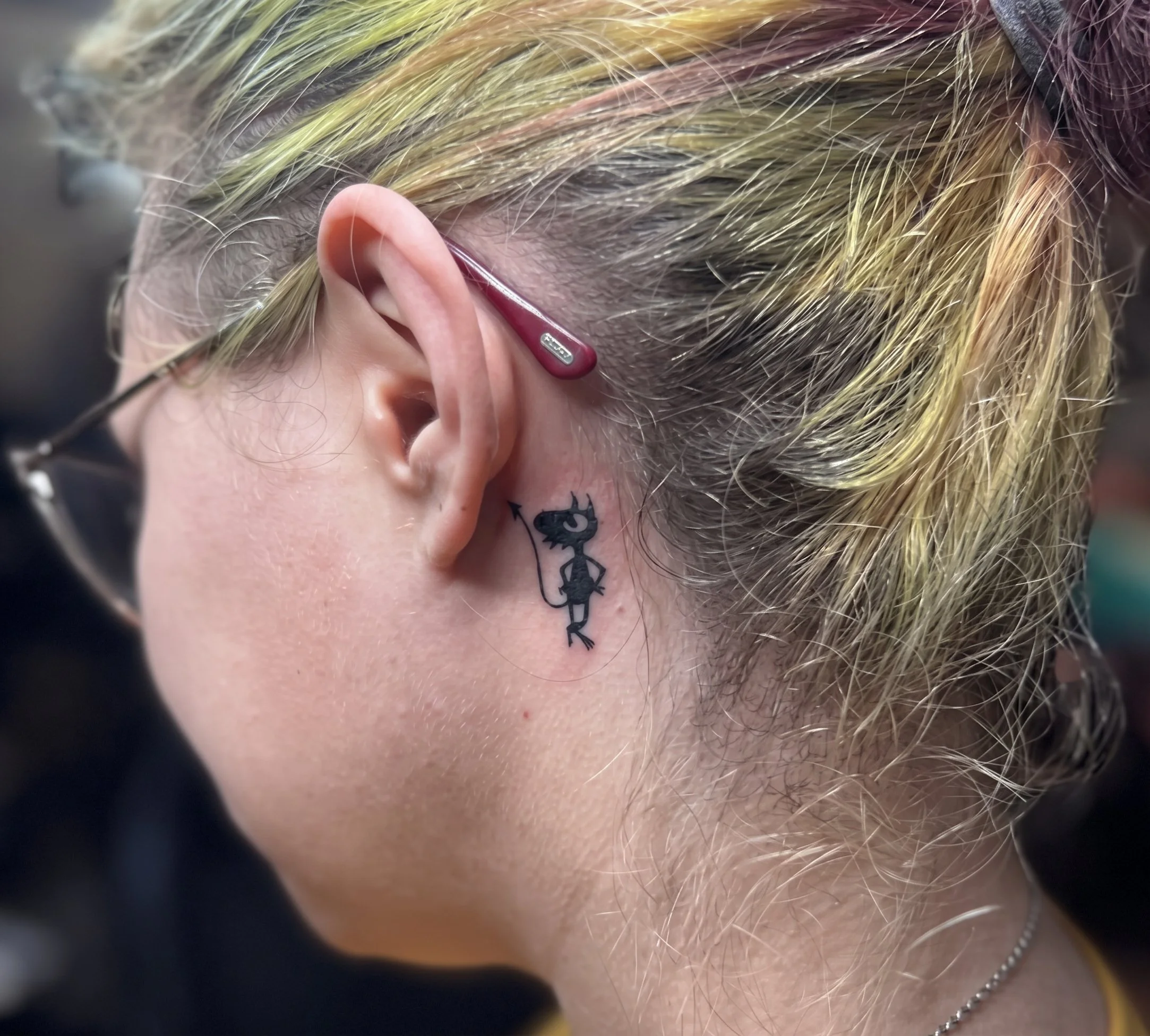
Behind the Ear: A charming, semi-hidden location easily concealed by long hair or revealed with an updo.
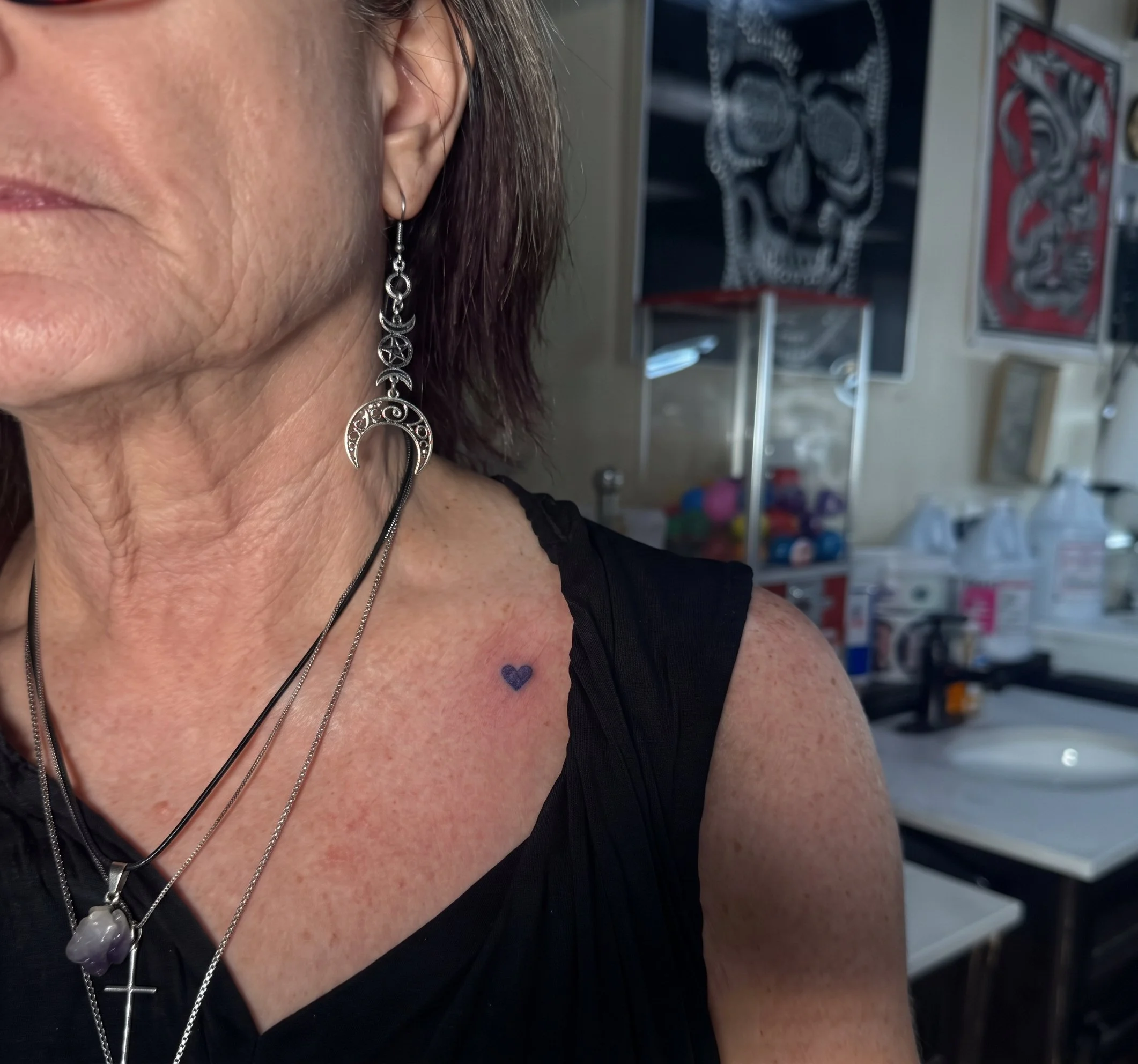
Collarbone & Ribcage: Delicate, elegant spots for floral stems or horizontal script. Note that rib placements involve thinner skin over bone, resulting in slightly higher sensation levels during application.
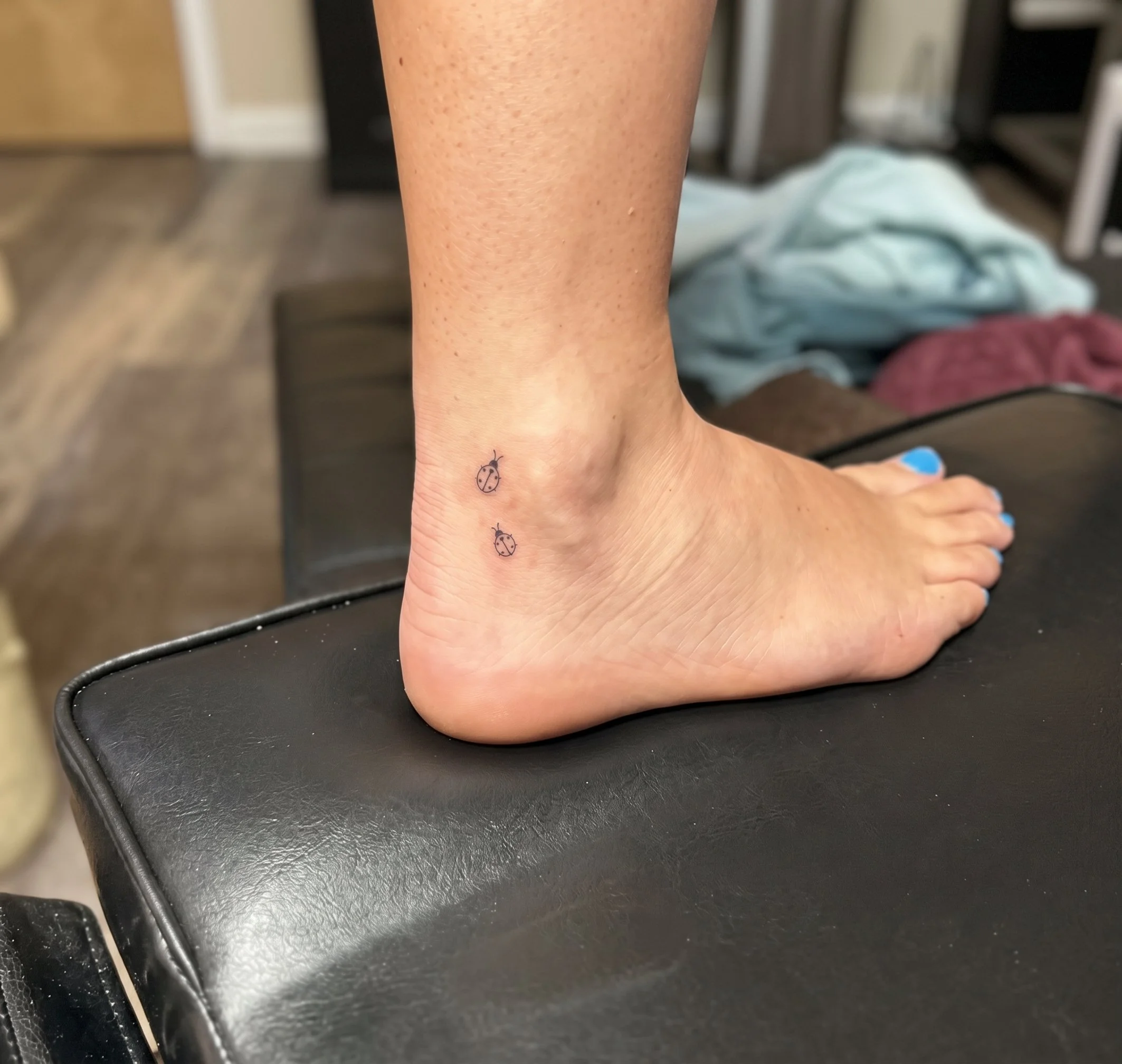
Ankle & Outer Foot: Excellent low-profile locations for geometric or minimalist symbols, though friction from socks and footwear must be managed carefully during the initial healing period.
What to Expect: Pain Levels by Placement Area
Pain tolerance varies from person to person, but tattoo sensation is primarily determined by skin thickness, nerve density, and proximity to underlying bone. Understanding how different areas feel helps you prepare mentally for your appointment.
| Placement Area | Pain Level | Skin Characteristics | Key Considerations |
|---|---|---|---|
| Outer Arm / Bicep | Low (2/10) | Thick skin, fleshy cushion | Ideal location for first-timers |
| Inner Wrist | Low-Moderate (4/10) | Thin skin, sensitive nerve endings | Quick session time keeps it manageable |
| Collarbone | Moderate (5/10) | Thin skin over bone | Vibrations felt across collarbone |
| Ribs / Flank | Moderate-High (7/10) | Thin skin, nerve-dense over ribs | Requires steady breathing control |
| Fingers / Hands | Moderate-High (6/10) | Thin skin, high nerve density | Short duration, but heals under high friction |
A common myth is that small tattoos stay pin-sharp forever without maintenance. In reality, human skin is a living, breathing canvas. Over time, immune system macrophages slowly break down pigment particles, causing lines to expand slightly, a natural biological process known as ink spread or pigment migration.
According to clinical dermatology studies on tattoo permanence published by the National Center for Biotechnology Information (NCBI), dermal macrophages engulf pigment granules, holding them stable within the skin matrix while gradual cell turnover and ambient UV exposure slowly alter line sharpness over time.
Placement & Pain Evaluator
Select an area on the body to view realistic pain ratings, healing timelines, and studio recommendations.
Key Technical Factors for Long-Term Ink Sharpness
Proper Needle Depth: Licensed artists insert ink precisely into the dermis layer (approx. 1 to 2 mm deep). Going too shallow leads to premature fading as outer skin sheds; going too deep causes blowouts (blurred ink dispersion under the skin).
Spacing & Negative Space: A professional artist will scale tiny details slightly to prevent ink bleed over a decade down the road. If lines are placed too close together, natural aging causes them to merge.
UV & Sun Protection: UV radiation breaks down tattoo pigment faster than almost any other factor. Always apply broad-spectrum sunscreen (SPF 30+) once your tattoo is completely healed.
Tessa Simmons
Artist Perspective: Designing Small Tattoos for Longevity
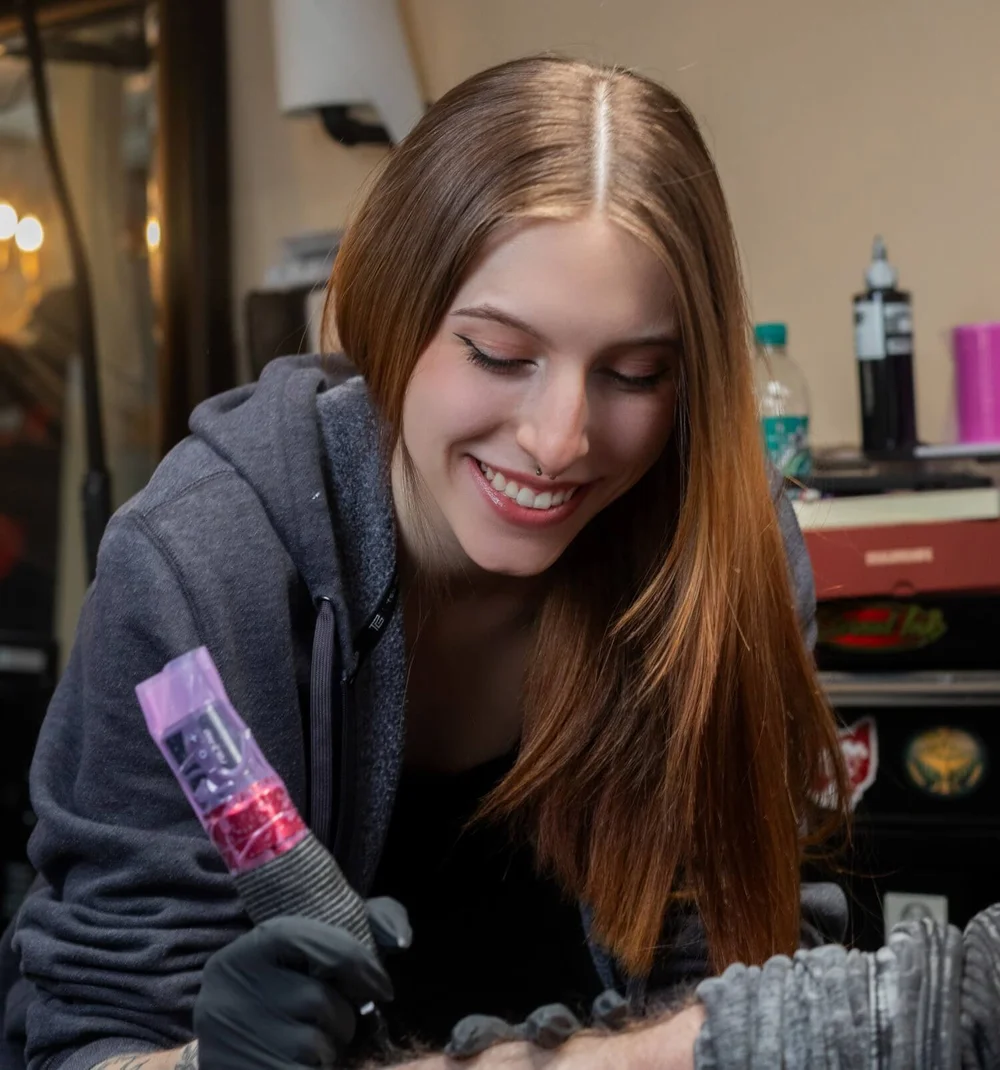
"The biggest misconception clients have with small or micro tattoos is assuming any complex image can be shrunk down infinitely. In reality, skin needs space to breathe. When designing a fine-line or micro piece at Burned Hearts, we carefully evaluate negative space. If line gaps are under 1 millimeter apart, skin aging will eventually blur them into a solid mass. Leaving strategic breathing room in the artwork ensures your small tattoo looks just as intentional and legible 10 years from now as it does the day you step out of the studio"
—Tessa, Resident Fine-Line & Custom Artist at Burned Hearts Tattoo
The Meaning Behind the Ink: Symbols & Matching Tattoos
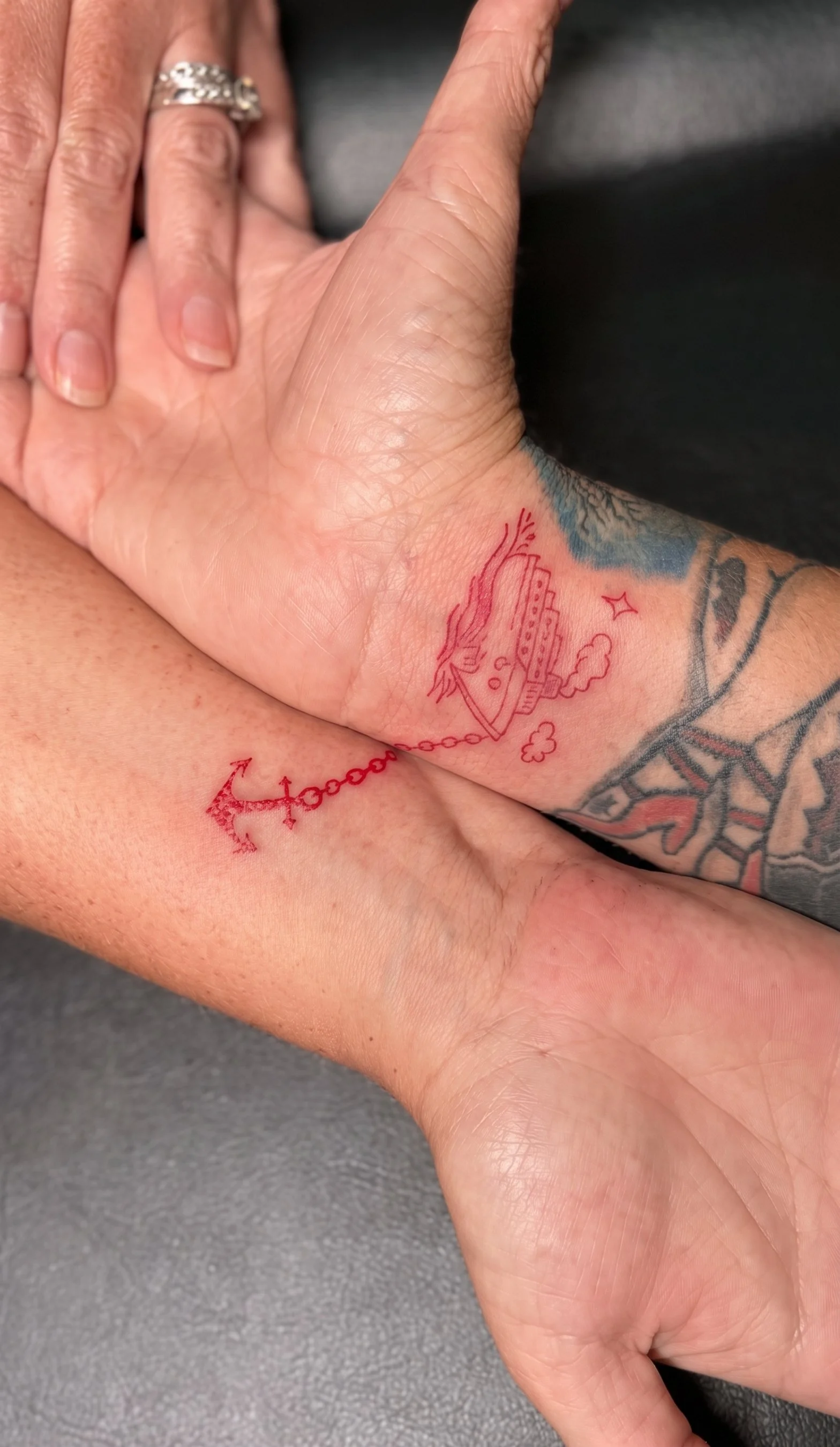
Small designs often hold deep, personal significance. They allow you to capture memories, honor milestones, or celebrate relationships discreetly.
Small Matching Tattoos
Couples, siblings, parent-child duos, and lifelong friends frequently choose small designs as shared symbols of connection:
Minimalist Line-Art Hearts: Subtle, elegant, and timeless.
Matching Coordinates: Marking the precise location of a shared memory, wedding venue, or birthplace.
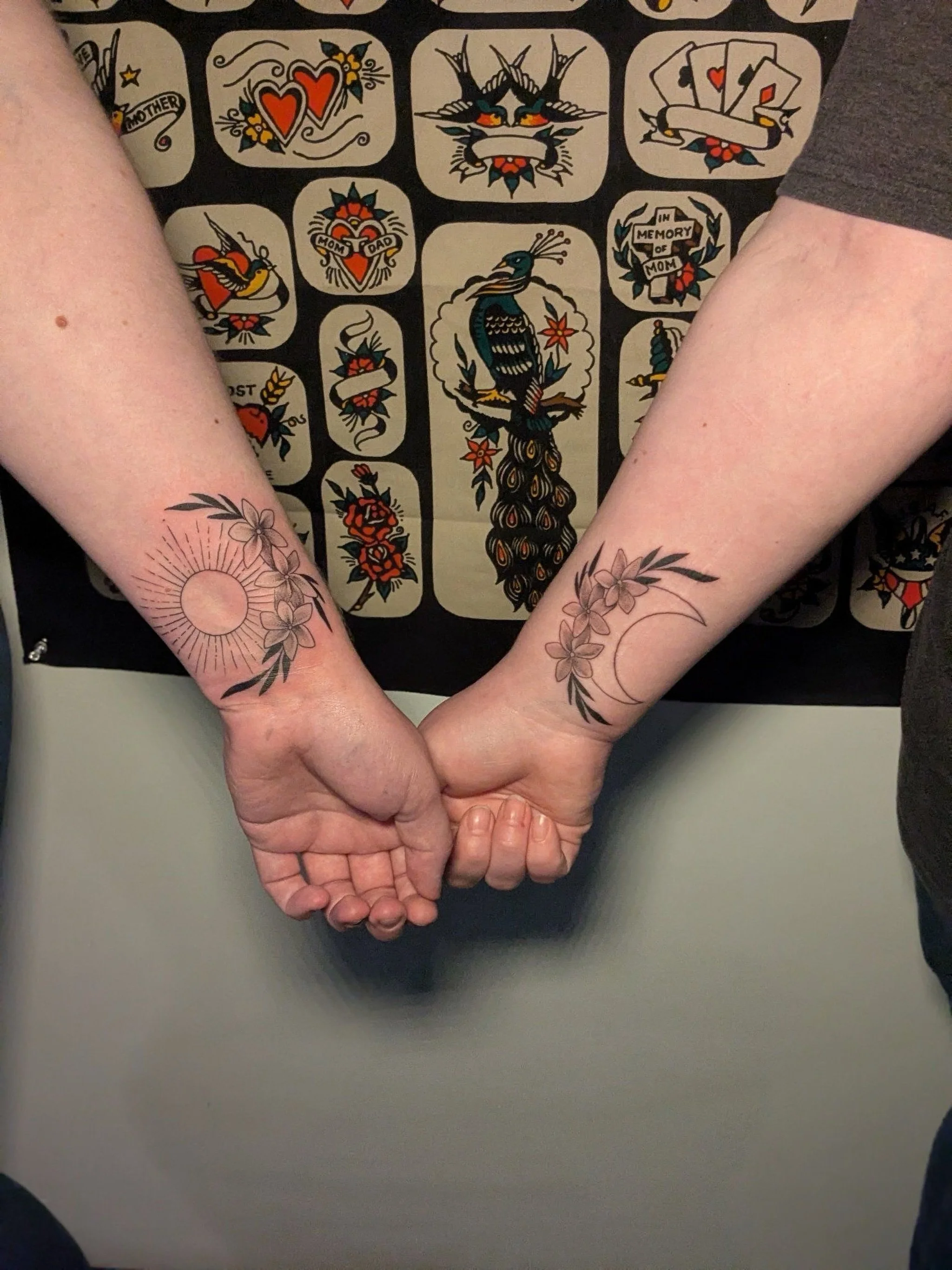
Sun & Moon Pairs: Complementary designs celebrating balance, harmony, and duality.
Matching Finger Dots or Minimal Icons: Low-key accents that carry intimate, shared meaning between partners.
What to Expect: Small Tattoo Costs & Session Times
Pricing for small tattoos varies based on design complexity, placement difficulty, stencil repositioning, and studio sanitation overhead.
| Tattoo Category | Size Range | Average Time | Price Estimate |
|---|---|---|---|
| Micro Tattoo | Under 1 inch | 30 - 45 mins | $80 - $120 |
| Simple Small Design | 1 to 2 inches | 45 - 60 mins | $100 - $180 |
| Detailed Fine-Line / Custom | 2 to 3 inches | 60 - 90 mins | $150 - $250+ |
Transparency in Studio Pricing & Shop Minimums
Clients often ask: "Why does a tiny 1-inch tattoo cost $80 or more?"
Every professional tattoo session requires a baseline overhead to guarantee complete sterility and safety, regardless of tattoo size. Shop minimums cover single-use sterile needle cartridges, medical-grade barrier film, hospital-grade skin disinfectants, biohazard waste disposal, stencil preparation, and dedicated artist setup time.
Studio Safety & Sterilization Standards
When getting any tattoo, your safety and health should always come first. Professional studios follow rigorous infection prevention protocols to protect clients:
Single-Use Cartridges: All needles come pre-sterilized in sealed blister packs and are opened directly in front of you.
Autoclave & Chemical Sterilization: Non-disposable equipment undergoes hospital-grade sterilization procedures.
Barrier Protection: All work surfaces, clip cords, and wash bottles are covered in single-use plastic barriers replaced after every client.
Licensed Facilities: Certified studios adhere strictly to local health department regulations and bloodborne pathogen standards.
Bring Your Vision to Life: Custom Designs vs. Flash Tattoos
When planning your small tattoo, you can choose between two main creative approaches:
Bespoke Custom Art
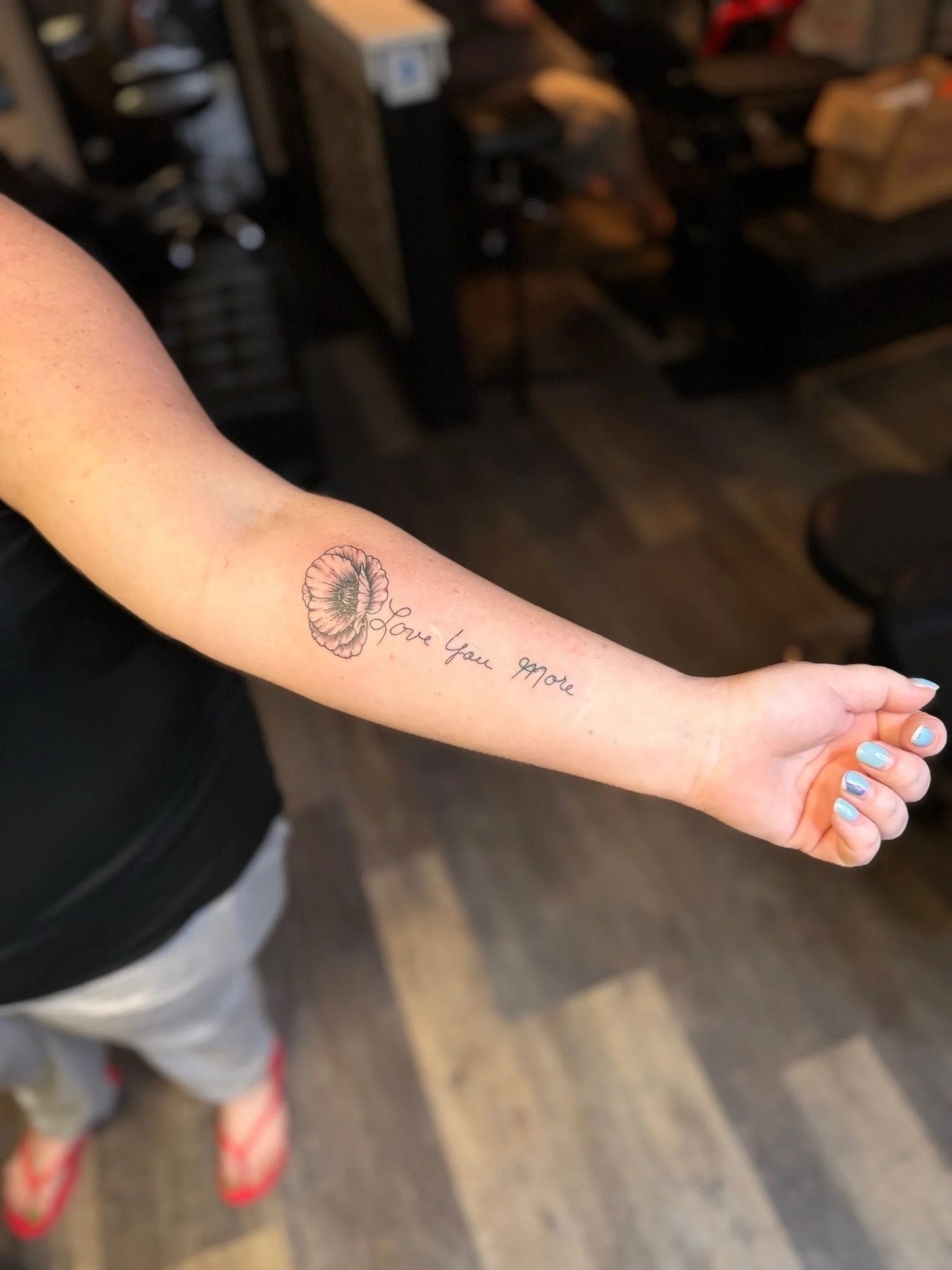
If you have a unique concept, personal lettering, handwritten signatures, or specific memorial elements in mind, commissioning custom tattoos ensures your piece is one-of-a-kind. Your artist will work closely with you to scale, proportion, and adjust the linework specifically for your body structure.
Flash Tattoos
If you want inspiration or a quick, spontaneous design, browsing pre-designed flash tattoo sheets offers ready-to-ink artwork created by studio artists. Flash designs are pre-balanced for longevity, making them an excellent choice for first-timers seeking high-quality, pre-tested art.

Custom Tattoo Designs
One-of-a-kind artwork tailored precisely to your placement and vision.
Book Custom Project
Preparing for Your First Tattoo Appointment
Proper preparation ensures a smooth session and optimal healing conditions:
Stay Hydrated: Drink plenty of water during the 24 hours leading up to your session to keep your skin plump and receptive to ink.
Eat a Balanced Meal: Have a light meal or snack 1 to 2 hours before your appointment to stabilize blood sugar levels.
Avoid Alcohol & Aspirin: Refrain from consuming alcohol or blood-thinning medications for at least 24 hours prior to appointment time.
Wear Comfortable Clothing: Choose loose clothing that allows easy access to your chosen placement area without rubbing against fresh ink.
Healing and Aftercare for Fine-Line & Tiny Tattoos
Because small tattoos cover less surface area, their initial healing phase is typically smooth and fast. However, proper aftercare is crucial to lock in delicate pigment and prevent fine lines from flaking away.
Standard dermatological care protocols outlined in the American Academy of Dermatology Tattoo Aftercare Guide emphasize keeping healing skin properly washed with fragrance-free cleanser, avoiding picking at flaking skin, and protecting fresh ink from direct sunlight.
1. Clean Gently: Days 1 - 14.
Wash the tattoo twice daily with warm water and fragrance-free antibacterial soap. Pat dry with a clean paper towel—never scrub. Verify clean surface by ensuring no residue or ointment buildup remains.
2.Moisturize Sparingly: Days 3 - 14.
Apply a paper-thin layer of fragrance-free lotion. Over-moisturizing traps bacteria and can cause bubbling. Verify proper amount: skin should look soft, not greasy.
3.Avoid Submerging: First 14 Days.
Do not submerge your tattoo in hot tubs, baths, pools, or lakes. Quick showers are fine. Verify healing progress by ensuring skin shows no signs of excessive redness or fluid weeping.
4.Protect From UV Light: Long-term Care.
Once fully healed (after 14-21 days), apply broad-spectrum SPF 30+ whenever the tattoo is exposed to sunlight. Verify long-term care by checking that lines stay dark and crisp over time.
Ready for Your Next Piece?
A small tattoo is more than just a subtle design, it is a lasting expression of your identity, memories, and personal style. By selecting a thoughtful design, choosing an ideal placement, and partnering with experienced artists who prioritize safety and precision, your small tattoo will remain a cherished piece of body art for years to come.
Frequently Asked Questions
-
Initial surface healing for a small tattoo takes approximately 7 to 14 days, while deep dermal skin layer recovery takes 4 to 6 weeks. Fine-line tattoos often heal faster than heavily shaded pieces.
-
Small tattoos generally hurt less overall because session times are significantly shorter (usually under an hour). Sensation levels depend on placement; areas over bone (ribs, collarbone, ankles) feel sharper than fleshier areas (forearm, outer bicep).
-
Yes. If a fine line lightens slightly during healing, professional studios offer brief touch-up sessions once the skin is fully recovered to restore original crispness.

Read more…