Tattoo Pain Chart: Body Pain Scale by Placement
If you're thinking about getting your first tattoo — or even your fifth — the question that probably keeps popping up is: “How bad is this really going to hurt?” I get it. The excitement mixes with that nervous feeling in your stomach. The good news? While pain is personal, there’s a very consistent pattern across thousands of clients. If you're still deciding where to get inked, check out our tattoo placement ideas to explore popular locations and understand how placement can affect your overall tattoo experience.
Whether you are picking out simple flash art or planning intricate custom tattoos with your artist, this tattoo pain chart breaks down the least and most painful spots on the body so you can choose placement wisely. We’ll use a clear 1-10 scale, explain why certain areas hurt more, and share practical advice from real artists and clients.
Understanding Tattoo Pain
Getting tattooed feels like a mix of scratching, burning, and vibration — more like a persistent cat scratch or bad sunburn than a sharp stabbing sensation. The intensity depends on several factors:
How much fat and muscle cushion the area
Nerve density
How close the skin is to bone
Skin thickness and movement (like breathing over the ribs)
Your hydration, rest, mindset, and the artist’s technique
Furthermore, institutions like the Cleveland Clinic note that pain isn't just physical—your psychological state plays a massive role. High anxiety and stress can trigger your nervous system, actually heightening your brain's perception of the pain. Everyone’s tolerance is different. What feels like a 7/10 to one person might be a 4/10 to another.
Quick Pain Scale:
1–3: Mild
4–6: Moderate
7–10: Intense
Complete Tattoo Pain Scale
Here’s a breakdown by major body regions based on common client and artist experiences.
Least Painful Spots (2–4/10) — Ideal for First-Timers
Outer Upper Arm / Shoulder: 2–3/10. Excellent muscle padding. One of the easiest and most popular starter spots.
Outer Forearm: 2–4/10. Manageable and forgiving — a classic first tattoo location.
Outer Thigh / Calf: 3–4/10. Plenty of cushioning, great for larger designs.
Upper Outer Back: 3–4/10. Thick skin and good support.
Moderate Pain Areas (5–7/10)
Outer Chest / Stomach: 5–7/10 (higher near the sternum or center)
Lower Back / Hips: 5–7/10
Inner Upper Arm: 5–6/10
Buttocks: 5–7/10
Most Painful Spots (8–10/10)
Ribs / Side Torso: 8–10/10. Thin skin over bone plus constant breathing movement.
Armpits: 9–10/10. Extremely nerve-dense.
Hands / Fingers: 8–10/10. Tiny bones and high nerve concentration.
Feet / Ankles: 8–10/10. Very bony with thin skin.
Elbows, Knees, Neck, Spine, Groin / Inner Thigh: 8–10/10.
Summary Table:
| Body Area | Pain Level | Why It Hurts | Best For |
|---|---|---|---|
| Outer Upper Arm | 2–3 | Good fat & muscle padding | Beginners, large pieces |
| Outer Forearm | 2–4 | Manageable nerves | First tattoos |
| Ribs | 8–10 | Thin skin + breathing | Experienced clients |
| Hands / Fingers | 8–10 | Dense nerves, little fat | Small meaningful pieces |
| Ankles / Feet | 8–10 | Bony with thin skin | High tolerance only |
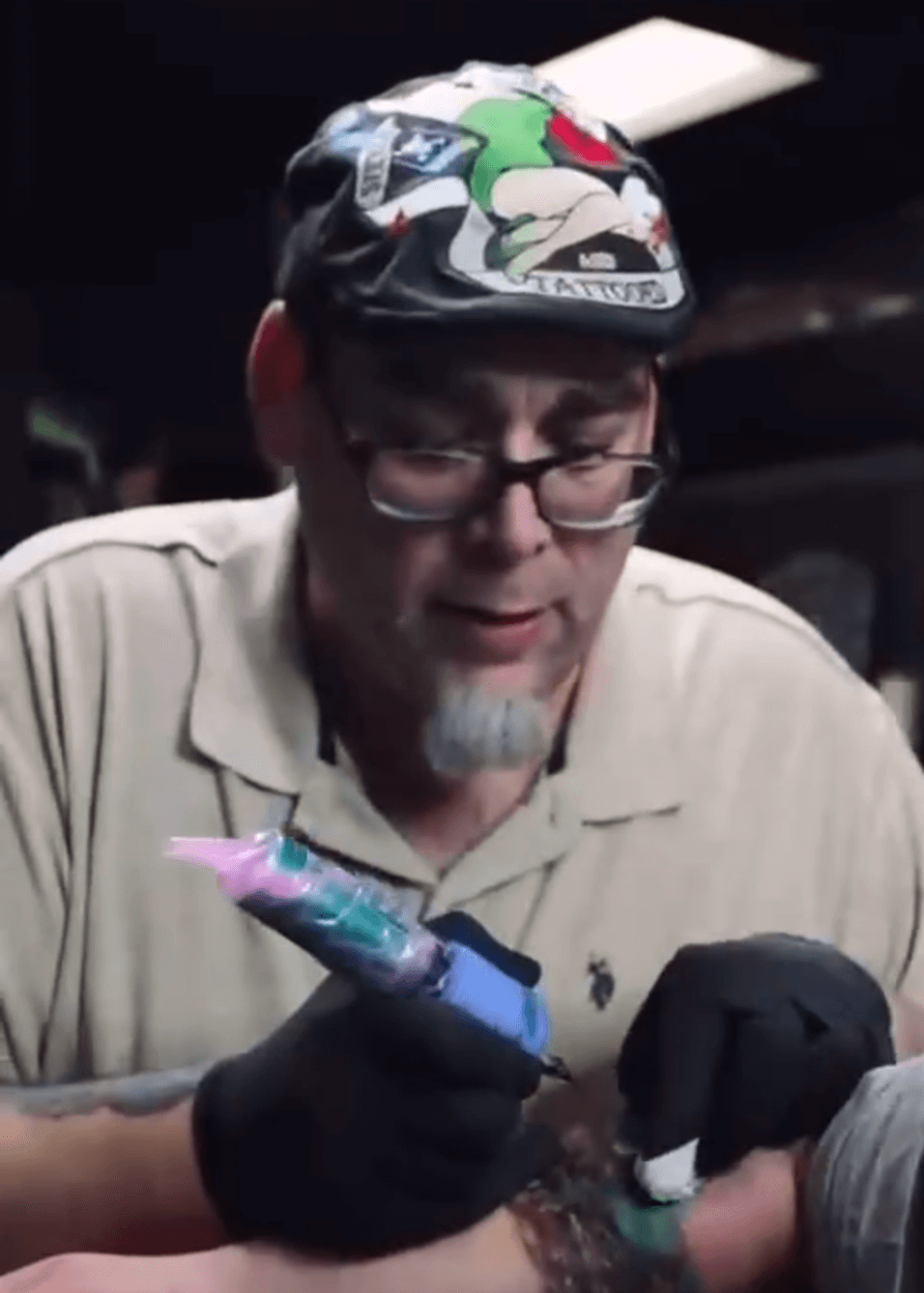
Jesse James Doering
Expert Opinion from a Professional Tattoo Artist
“I’ve been tattooing for years, and the one thing I tell every first-time client is this: don’t let fear of pain stop you from getting something you’ll love. The tattoo pain chart is a great starting point — ribs and hands are always going to be intense, while the outer arm or thigh are much more manageable. But the real difference comes down to preparation and communication.”
Eat a good meal, stay hydrated, and be honest with your artist if something feels too much. We’re happy to take breaks or split a larger piece into multiple sessions. At Burned Hearts, we focus on making sure you feel comfortable and cared for the entire time — because a great tattoo experience is about more than just the final design. — Jesse James Doering, Tattoo Artist at Burned Hearts Tattoo
How to Prepare for Your Tattoo and Handle the Pain Like a Pro
Preparation makes a bigger difference than most people realize:
Before:
Sleep well and eat a full meal
Stay hydrated (but not overloaded)
Avoid alcohol and excessive caffeine
Consider talking to your artist about numbing options
During:
Breathe slowly and deeply
Bring music or a podcast
Take breaks when needed
Communicate openly with your artist
After:
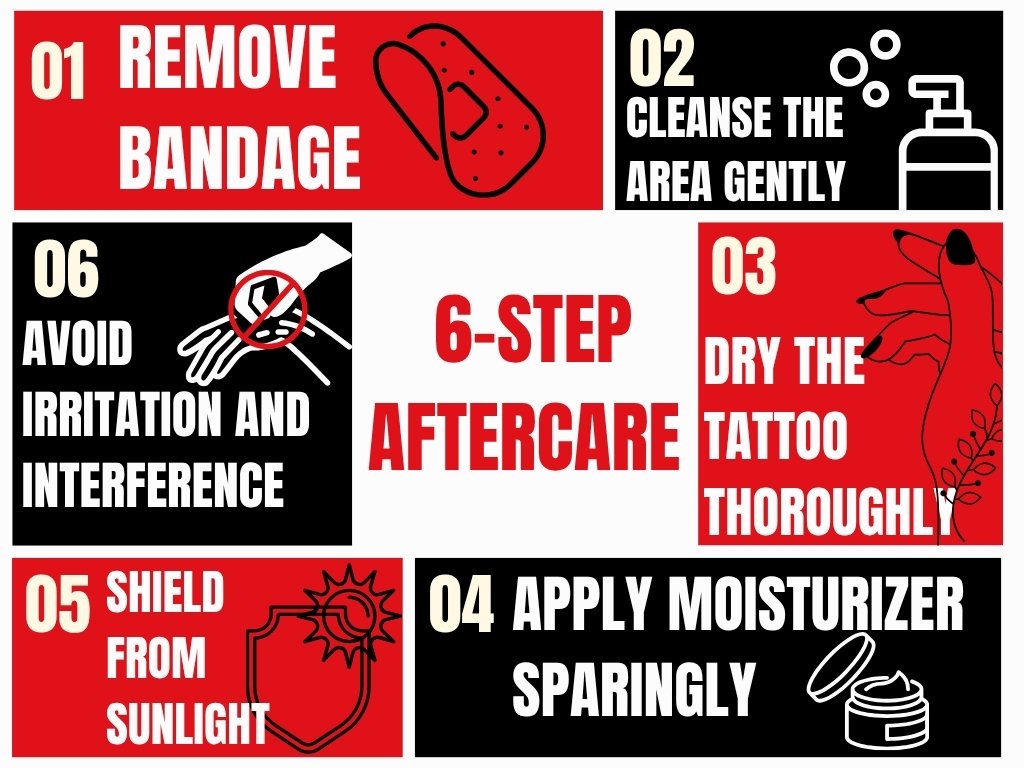
Follow proper aftercare to minimize soreness and support fast healing.
Ready to Get Inked in Columbus?
Understanding the tattoo pain chart removes much of the fear and helps you choose a placement that matches your tolerance. Start smart, work with a caring artist, and you’ll create something you’ll love for life.
If you’re in the Columbus area and looking for tattoo shops in Columbus that prioritize comfort and quality custom tattoos, visit Burned Hearts Tattoo. Their team is known for guiding clients through the entire experience — from choosing the right spot to excellent aftercare.
Frequently Asked Questions
-
Most people describe it as a mix of scratching, burning, or continuous vibration — similar to a bad sunburn or a cat scratch that doesn’t stop. It’s rarely a sharp “stabbing” pain. The sensation can change during the session: stronger at first, sometimes numbs a bit, then becomes sensitive again.
-
The outer upper arm (shoulder area) and outer forearm are the top choices for beginners, usually rated 2–4/10. These areas have good muscle and fat padding with fewer sensitive nerves. The outer thigh and upper outer back are also very forgiving.
-
The ribs, armpits, hands/fingers, feet/ankles, and spots directly over bone (like elbows, knees, and spine) consistently rank at 8–10/10. Rib tattoos get special mention because breathing makes the needle feel especially intense.
Read more…