What Is a Fine Line Tattoo? The Complete Guide 2026
Original PUBLISHED DATE: AUG 25, 2026
MAJOR UPDATE DATE: Sept 3, 2026
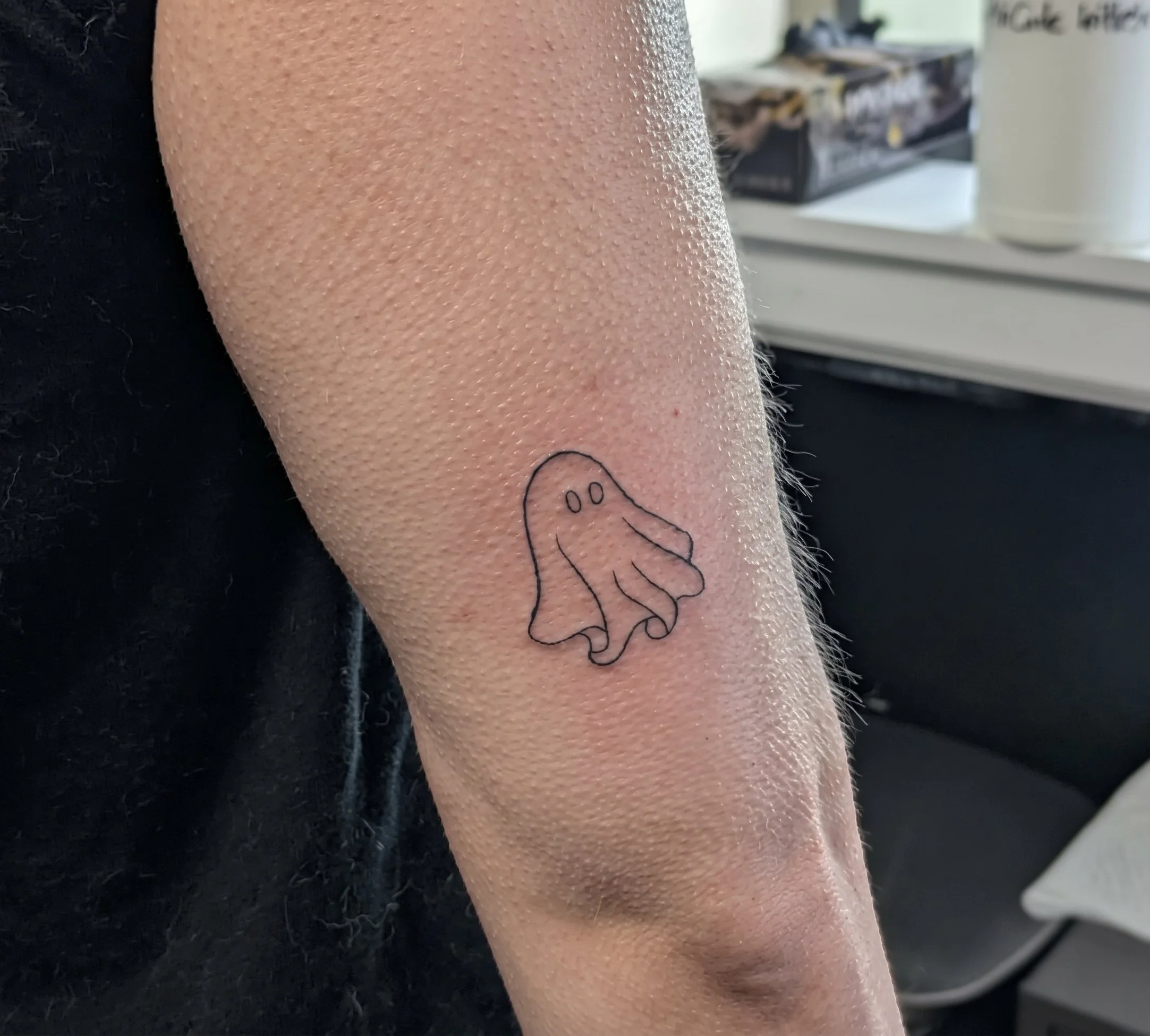
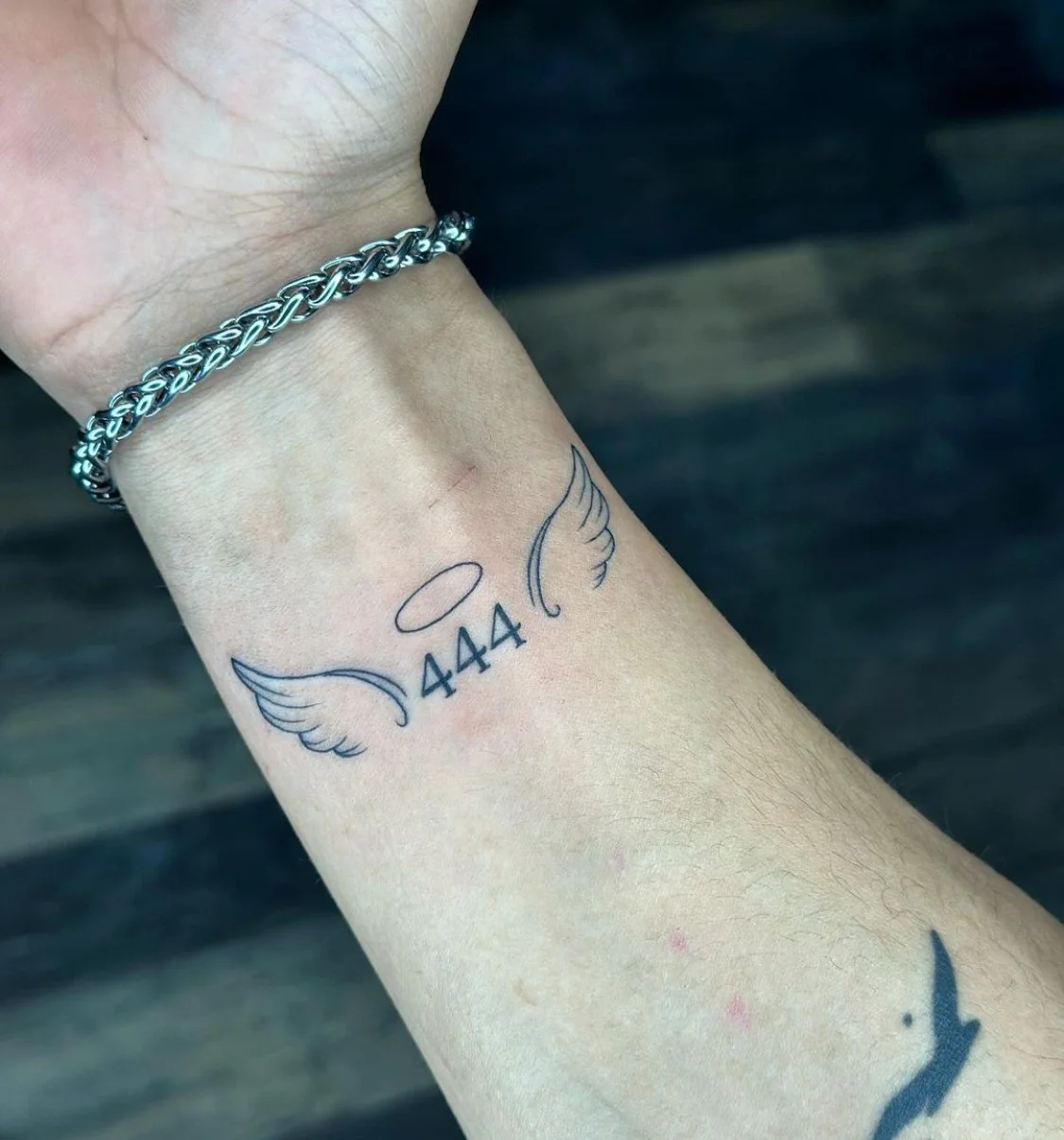
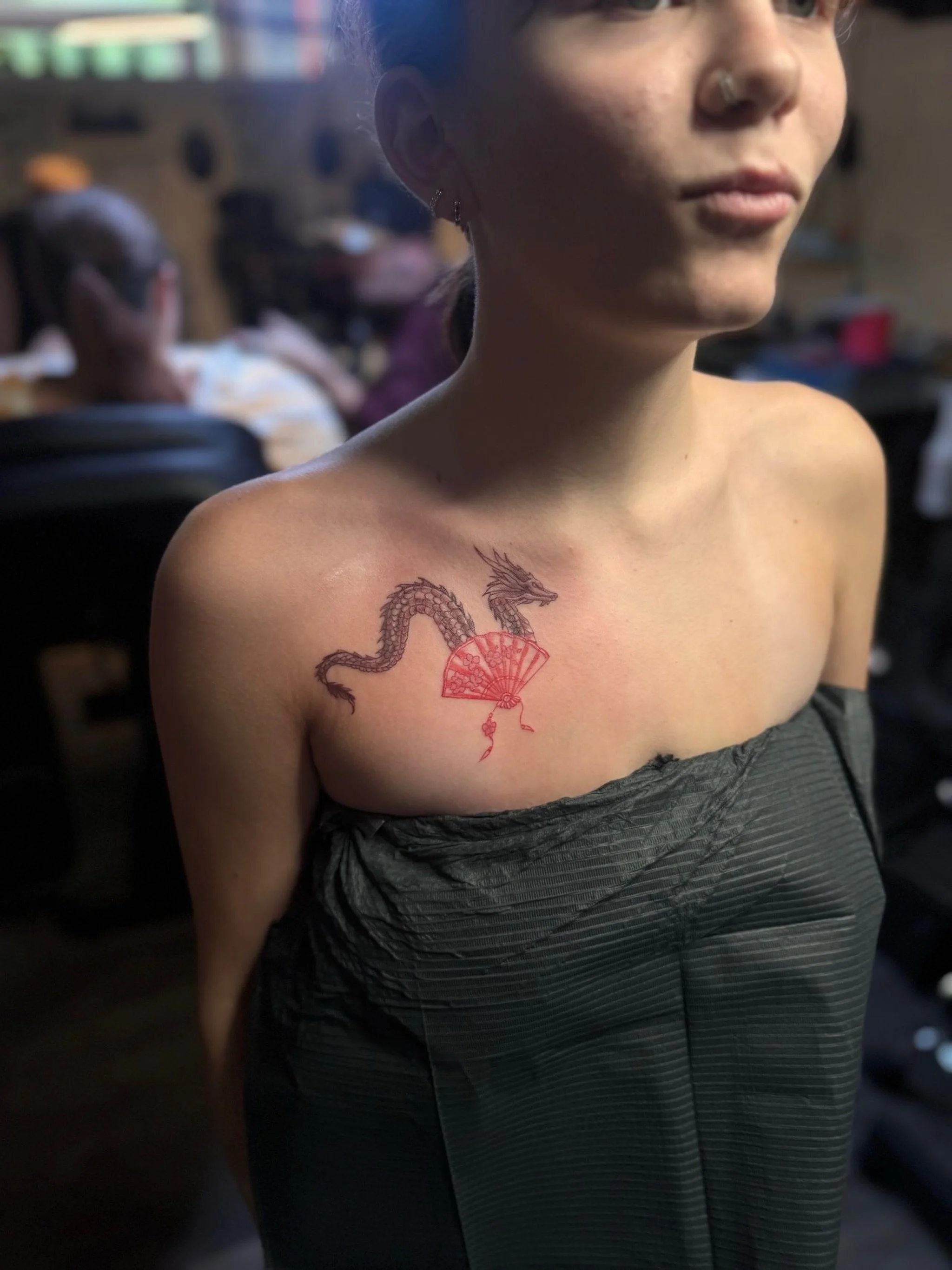
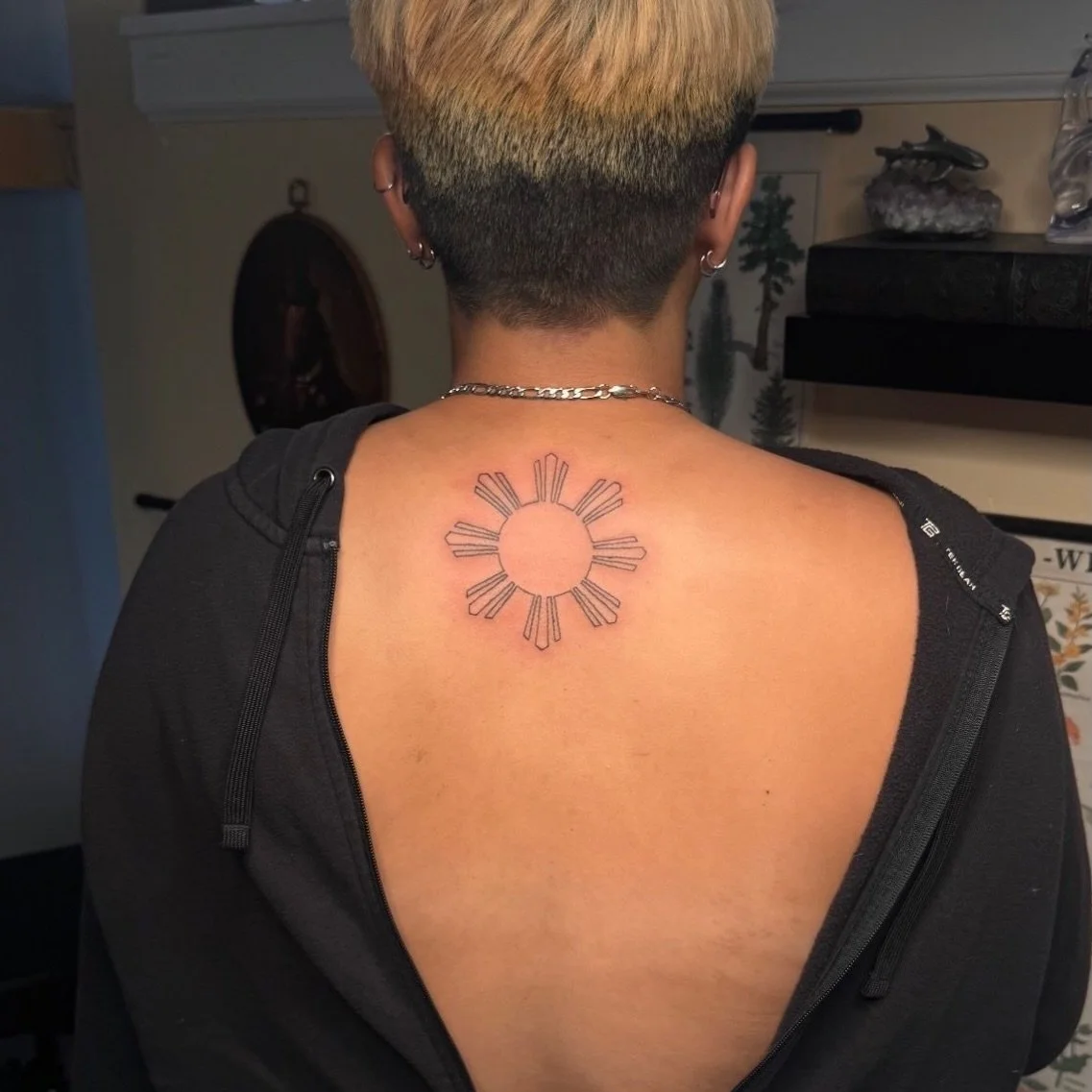
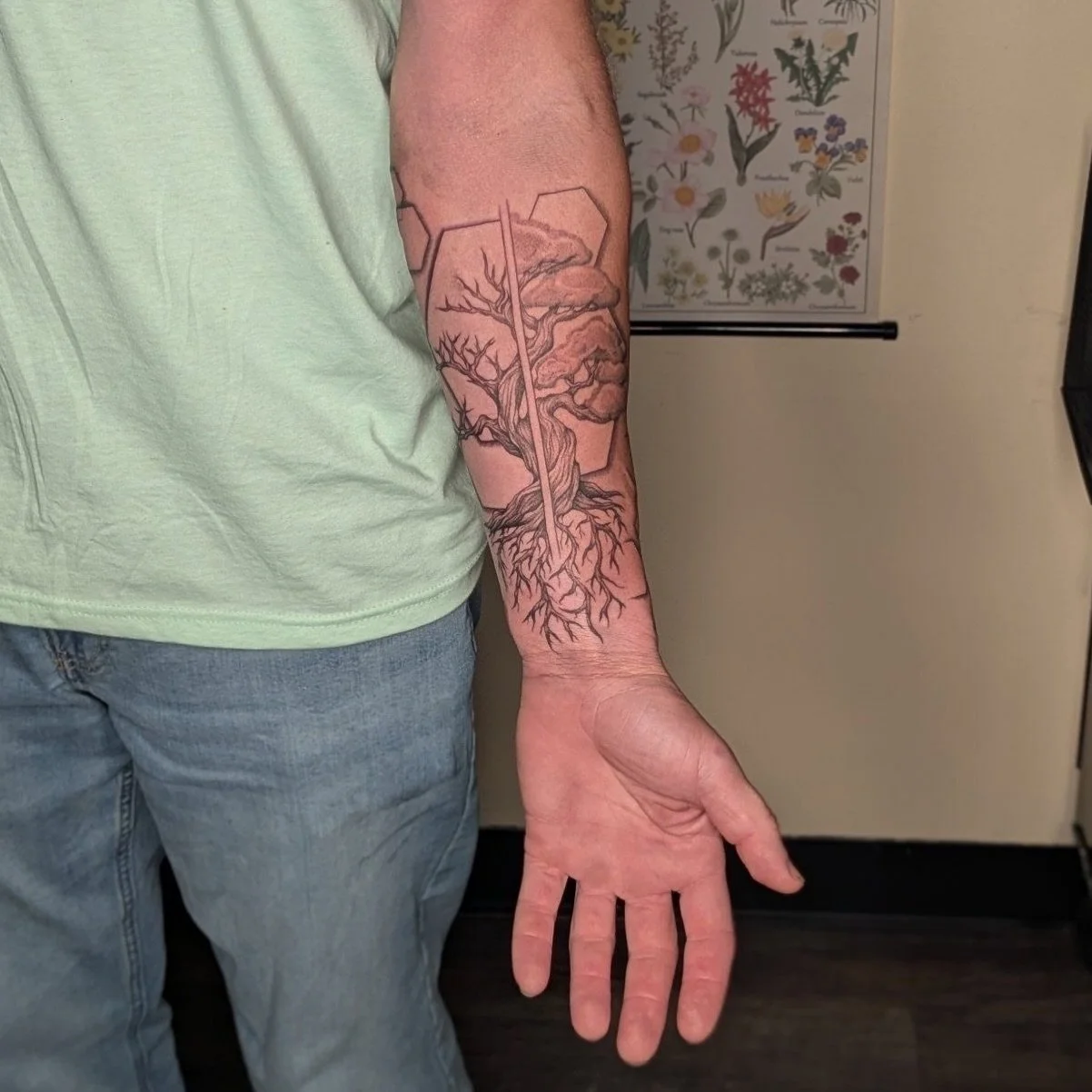
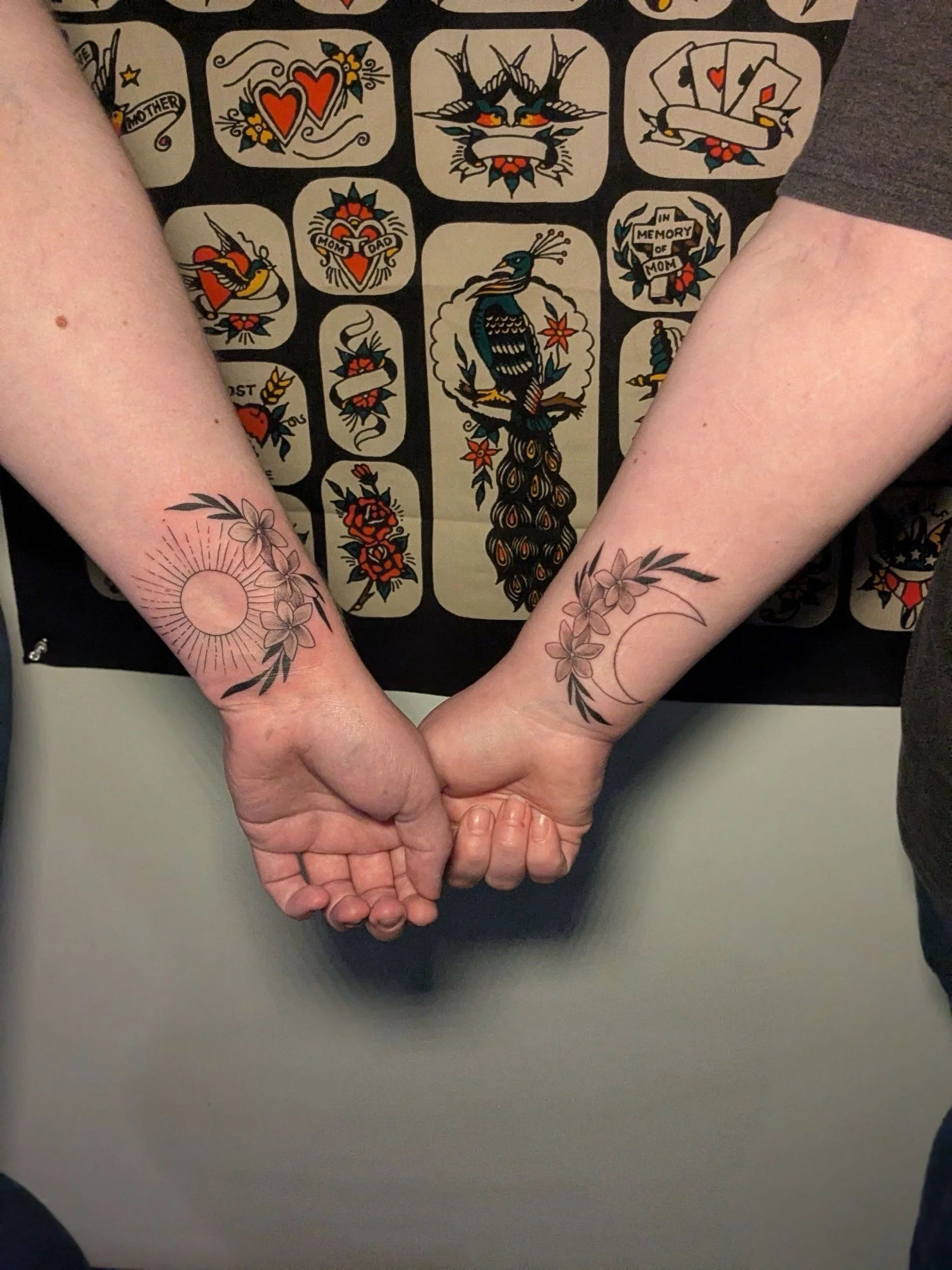
A fine line tattoo is a specialized tattooing technique that uses a single needle (1RL) or small needle groupings (3RL) to create thin, crisp, and highly detailed artwork. Unlike traditional tattoos built on heavy, bold outlines, fine line tattoos feature delicate linework and minimal shading, closely resembling elegant pen-and-ink illustrations or fine-point calligraphy.
Minimalist body art is no longer a niche trend, it is shifting the industry standard. With over 32% of Americans now sporting at least one piece of ink, according to recent demographic data from the Pew Research Center and Dermatology Times, single-needle and fine-line styles are leading contemporary body art preferences.
If you are looking for ink that whispers rather than shouts, this delicate technique is likely on your radar. However, executing razor-thin lines requires an entirely different skill set than traditional tattooing. At Burned Hearts Tattoo Studio, widely recognized as the best tattoo shop in Columbus, Ohio, we specialize in the surgical precision required to craft these intricate pieces.
Whether you are booking your first session or adding to your collection, this comprehensive guide covers everything you need to know: the mechanics of the style, inspiring design concepts, how these tattoos actually age, and the exact aftercare routine required to keep them looking flawless.
Unveiling the Elegance of Fine Line Tattoos
Picture a delicate swirl of ink, as fine as a whisper, tracing a blooming trillium flower or a minimalist skyline across your skin. Fine line tattoos are redefining body art by blending precision artistry with understated elegance.
What makes fine line tattoos so captivating? They celebrate surgical precision. Unlike traditional tattoos with heavy, dark outlines that dominate the skin, fine line tattoos glide lightly across the canvas. They feel like personal sketches lifted straight from an artist’s journal.
In Ohio's creative hubs, from the Short North Arts District to cozy coffee spots in Clintonville and German Village, fine line tattoos have woven themselves into local culture. Clients love their versatility on every skin tone and placement. Whether it is a tiny Buckeye leaf celebrating local roots or a delicate line of handwritten script, fine line body art offers a subtle magic—a tattoo that feels like a shared secret, visible to those who take a moment to pause and look closely.
The History and Evolution of Fine Line Tattoos
The story of fine line tattooing merges ancient practices with modern engineering. While body art dates back over 5,000 years, with evidence discovered on preserved mummies from ancient Egypt and Polynesia dating to 3000 BCE, early tattoo tools were rudimentary and lacked delicate control.
The modern fine line aesthetic originated in the 1970s within California’s Chicano tattoo culture. Pioneering artists in East Los Angeles modified single-needle setups to create detailed portraits, religious icons, and delicate script work without heavy black borders. This laid the technical foundation for single-needle tattooing.
By the 21st century, social media platforms like Instagram and Pinterest launched fine line tattooing into mainstream global culture. Artists like Dr. Woo popularized the style with hyper-detailed geometric shapes, constellation maps, and micro-realism that appealed to celebrities and first-timers alike.
Modern Machine Technology
Technological advancements have elevated the style:
Rotary & Wireless Machines: Modern rotary tattoo machines deliver smooth, consistent needle drives without the heavy mechanical vibration of traditional coil machines.
Specialized Cartridges: Ultra-fine needle configurations, such as 1RL (single round liner) and 3RL cartridges with micro-tapers, allow artists to apply ink at lighter depths with high accuracy.
Refined Pigments: Modern, high-grade ink formulations hold stability better in the skin, reducing unwanted pigment spreading.
Defining Characteristics: What Makes Fine Line Tattoos Unique?
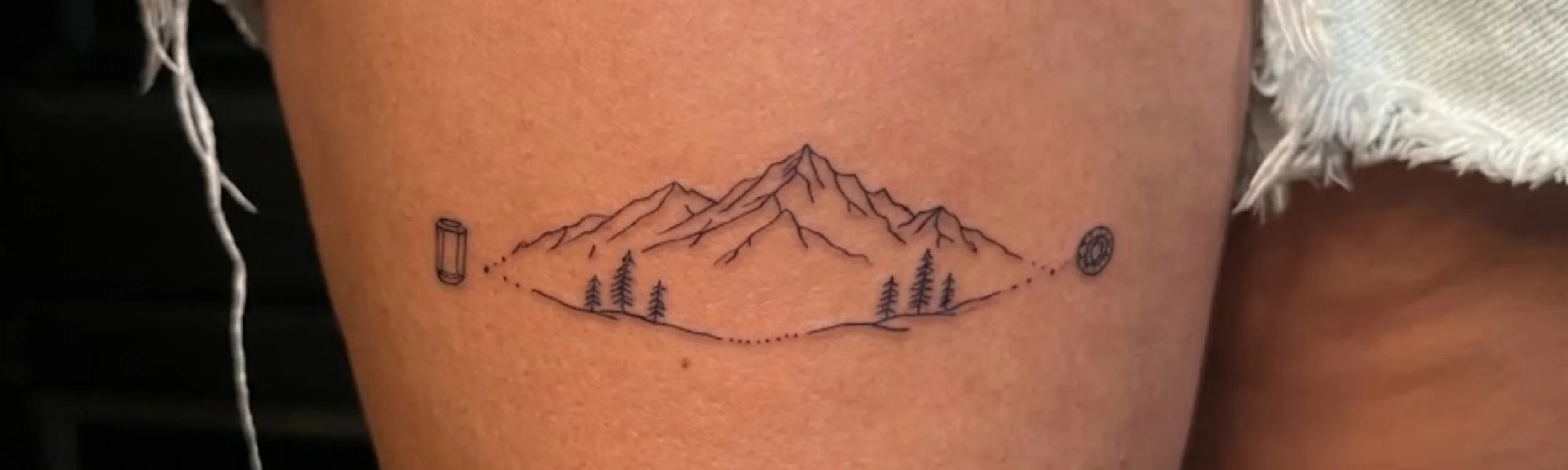
Fine line tattoos differ fundamentally from traditional, neo-traditional, or Japanese body art in technical application and visual weight.
Needle Groupings: Standard tattoos often use 7RL to 14RL needles (7 to 14 needle points grouped together). Fine line tattoos rely on 1RL or 3RL configurations to achieve razor-thin lines.
Shallow Dermal Placement: Ink is deposited precisely into the upper-to-mid layer of the dermis with a light touch, resulting in less tissue trauma.
Reduced Discomfort: Because fewer needle points pierce the skin simultaneously, fine line tattooing typically causes less pain and quicker surface healing than heavy color saturation or thick linework.
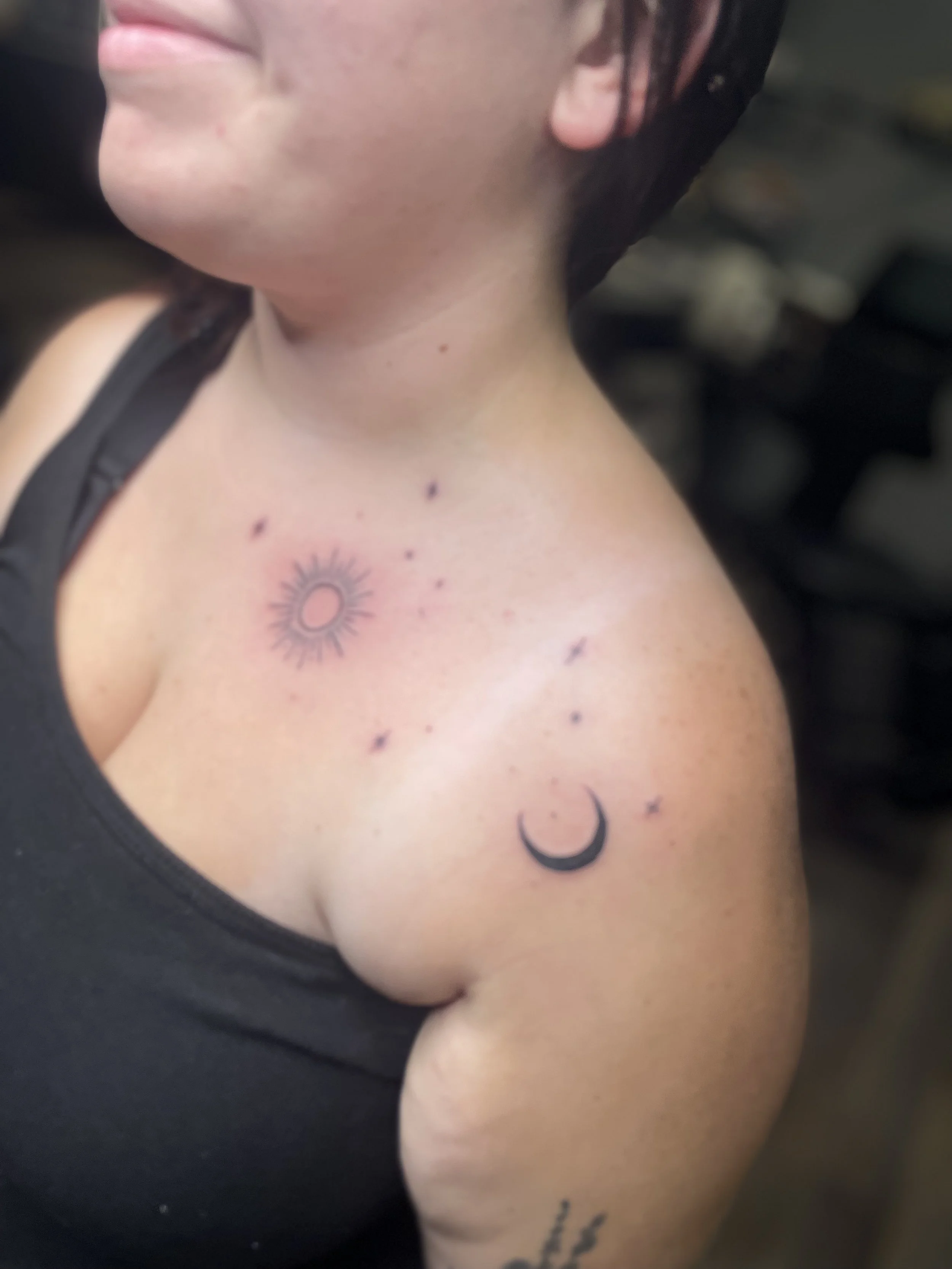
Placement Versatility: Their delicate scale allows fine line designs to sit gracefully on smaller body canvases, including behind the ear, along the collarbone, on the inner wrist, or down the ribs.
The Honest Truth: Pros, Cons, and Longevity
Fine line tattoos behave differently than bolder, traditional styles. Understanding these trade-offs ensures you choose a design that aligns with your long-term expectations.
| Feature | Fine Line Tattoos | Traditional / Bold Tattoos |
|---|---|---|
| Pain Level | Lower. Fewer needles and lighter pressure reduce skin trauma. | Moderate to High. Larger needle groupings and heavy shading require deeper saturation. |
| Healing Window | Faster. Surface heals in 1–2 weeks. | Slower. Surface heals in 3–4 weeks. |
| Detail Potential | Exceptional. Micro-script, geometric patterns, and fine botanicals. | Moderate. Lines must remain thicker to prevent bleeding together. |
| Fading Profile | Faster. Softens into lighter gray tones over 5–10 years due to lower ink volume. | Slower. High ink density maintains dark contrast for decades. |
| Blowout Visibility | High. Irregularities or overly deep ink marks are immediately noticeable. | Low. Thick outlines hide minor depth inconsistencies. |
Fading and Blowouts Explained
Fading: Because a single needle deposits less pigment volume into the skin, fine line work softens naturally over time. Exposure to UV rays breaks down light ink deposits faster than thick black bars.
Blowouts: A blowout occurs when an inexperienced artist presses too deep, penetrating past the dermis into the subcutaneous fat layer. Ink spreads horizontally in fat tissue, creating a blurry, bruised halo. In fine line work, precision depth control is mandatory to avoid blowouts.
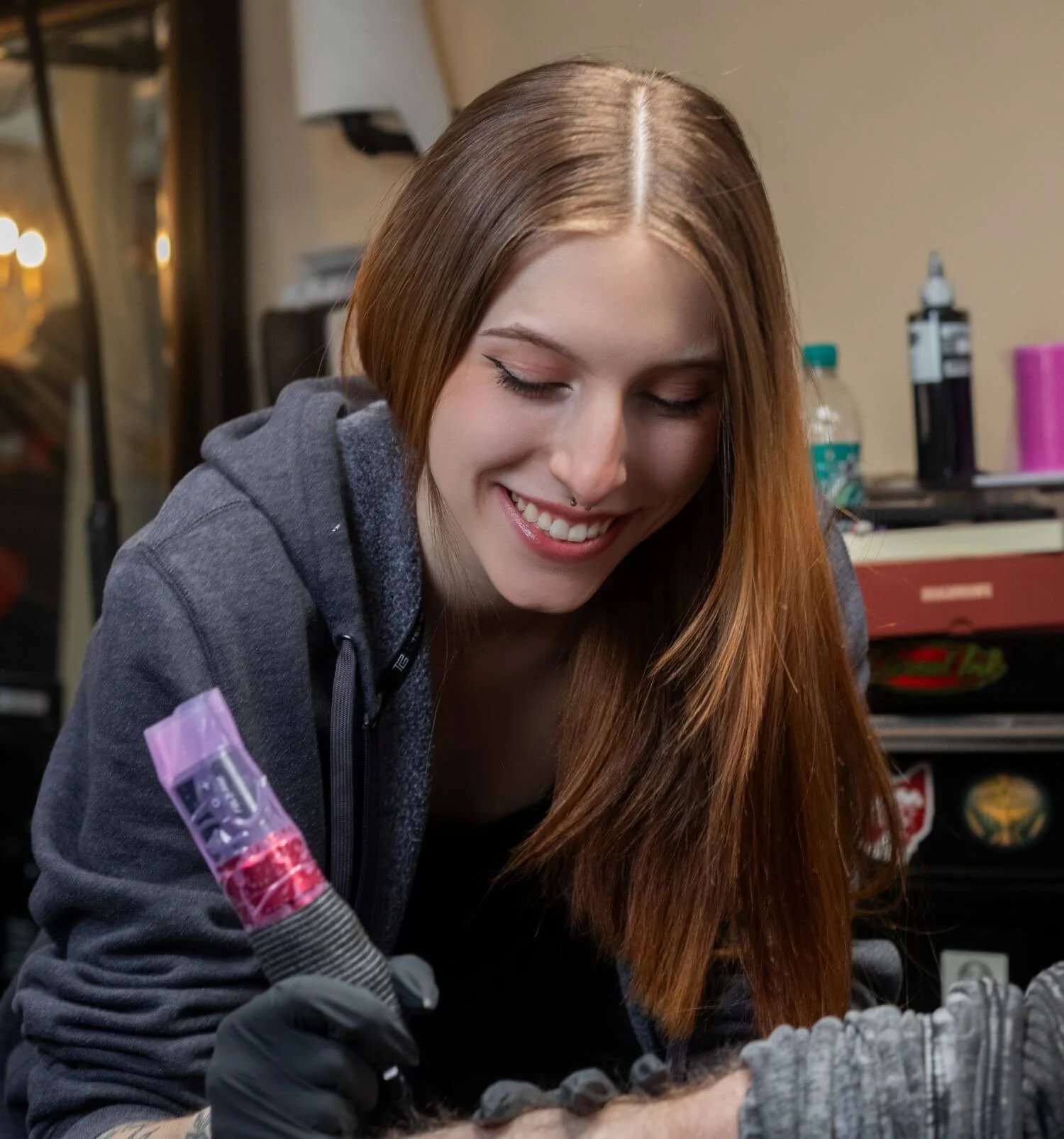
Tessa Simmons
Expert Opinion: The Science and Art Behind Single-Needle Precision
"Fine line tattooing demands strict technical discipline. When operating with a single 1RL needle, there is zero margin for error. If your hand speed doesn't match machine voltage, or if you misjudge dermal resistance by a fraction of a millimeter, you either fail to deposit enough pigment causing the line to wash out during healing, or you go too deep and cause a blowout
Switching to lightweight, high-stability rotary machines allows us to maintain consistent depth and micro-precision. When executed correctly at the proper dermal layer, fine line tattoos heal cleanly and age gracefully."
— Lead Artist, Burned Hearts Tattoo Studio
Dermatologic studies confirm this balance. Ink deposited into the mid-dermis is encapsulated by skin macrophages and fibroblasts. Precise placement limits cellular ink migration, keeping fine linework distinct as the skin naturally ages.
Inspiring Fine Line Tattoo Designs and Ideas
Fine line tattooing supports a wide range of creative concepts, from minimalist symbols to custom tattoos.
Explore our master guide on the top fine line tattoo ideas to view gallery pieces and trending concepts.
1. Botanical and Floral Designs
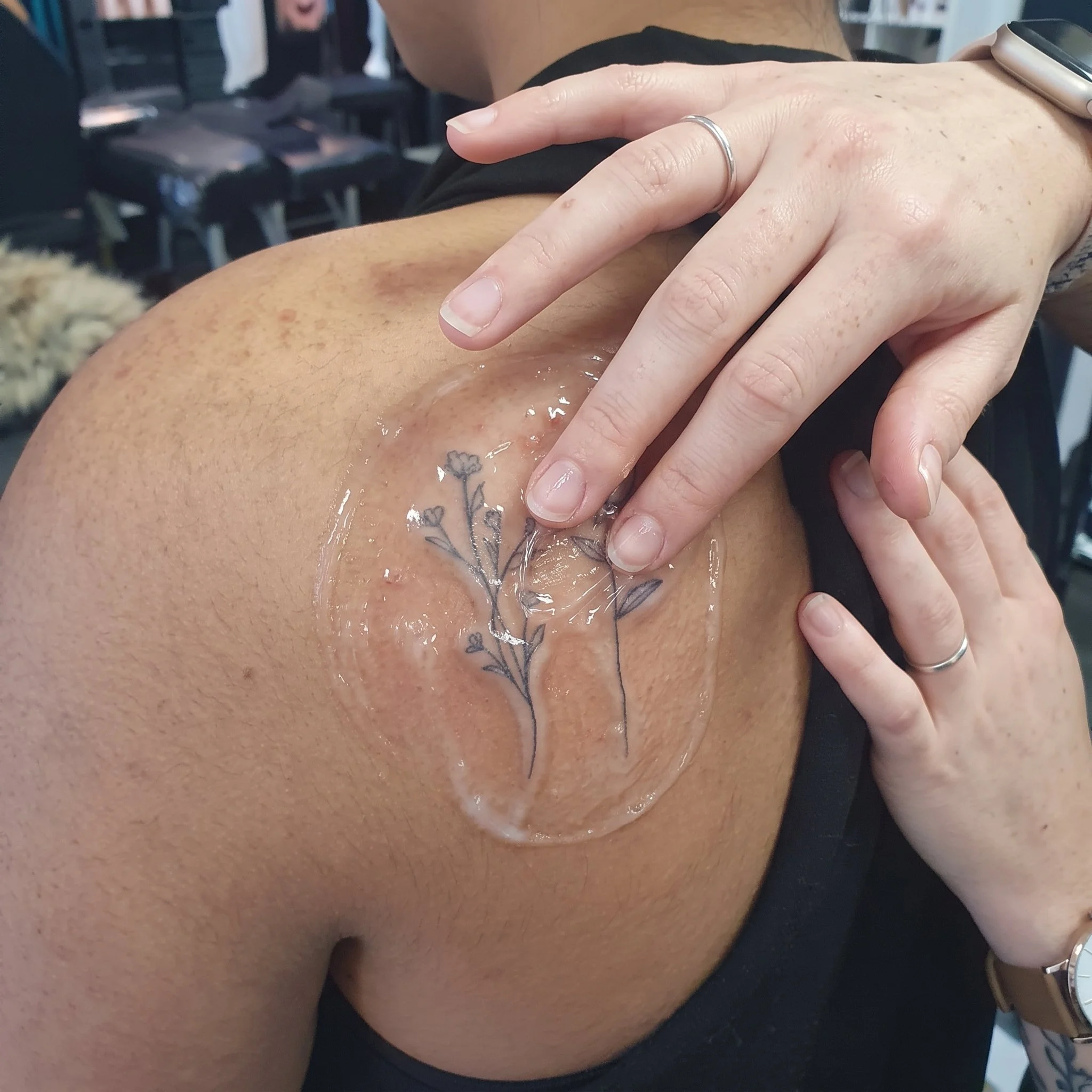
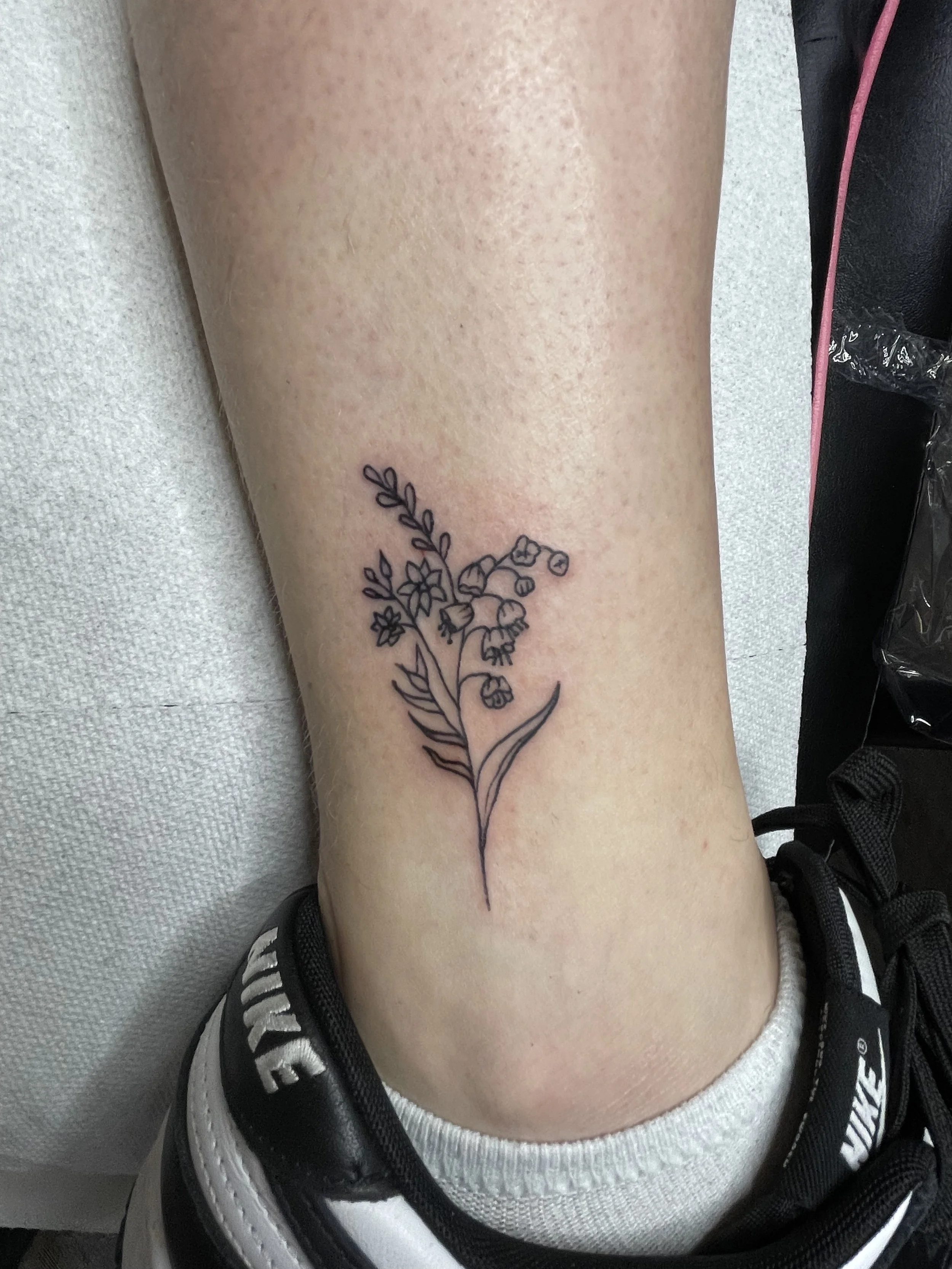
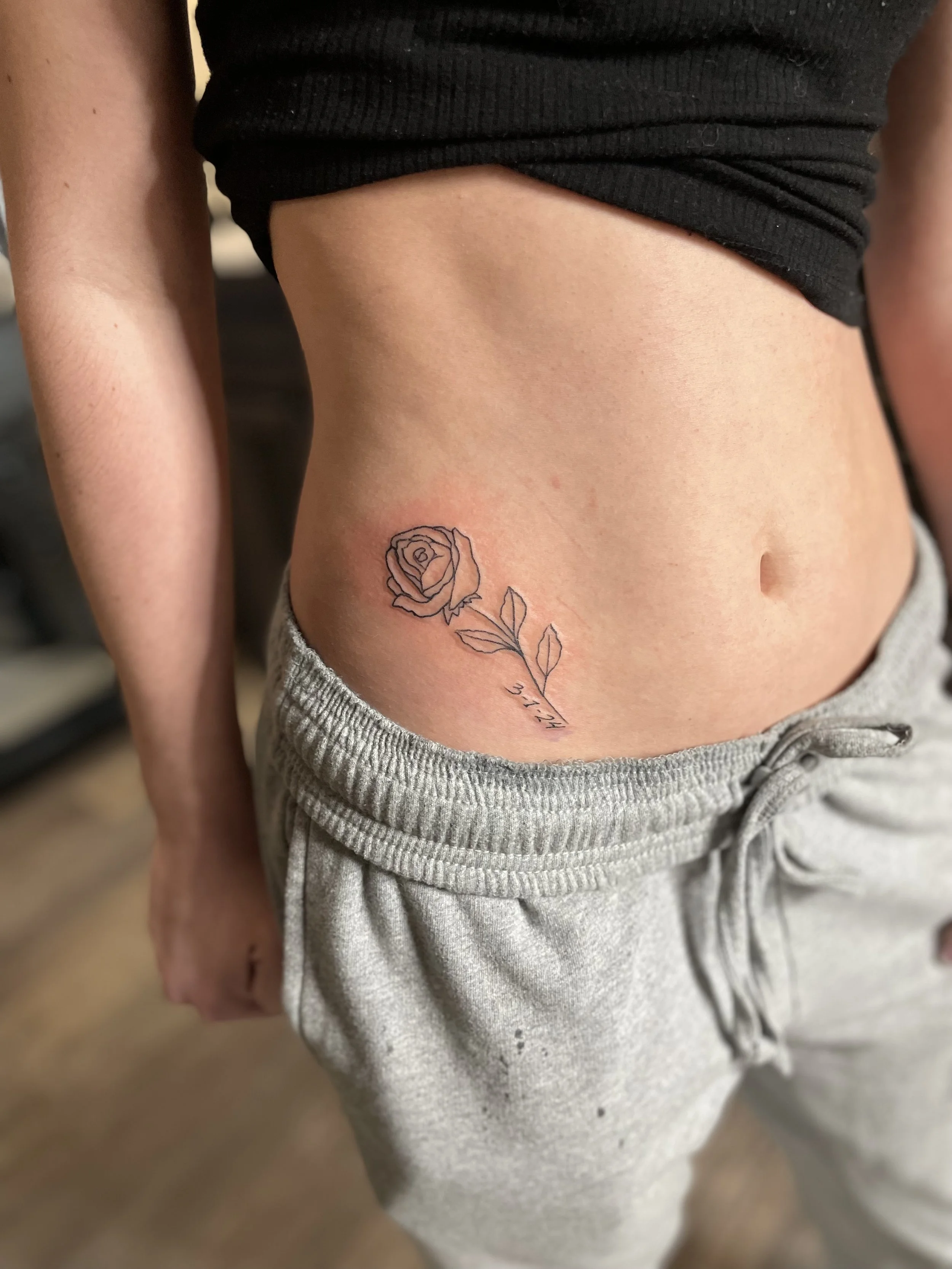
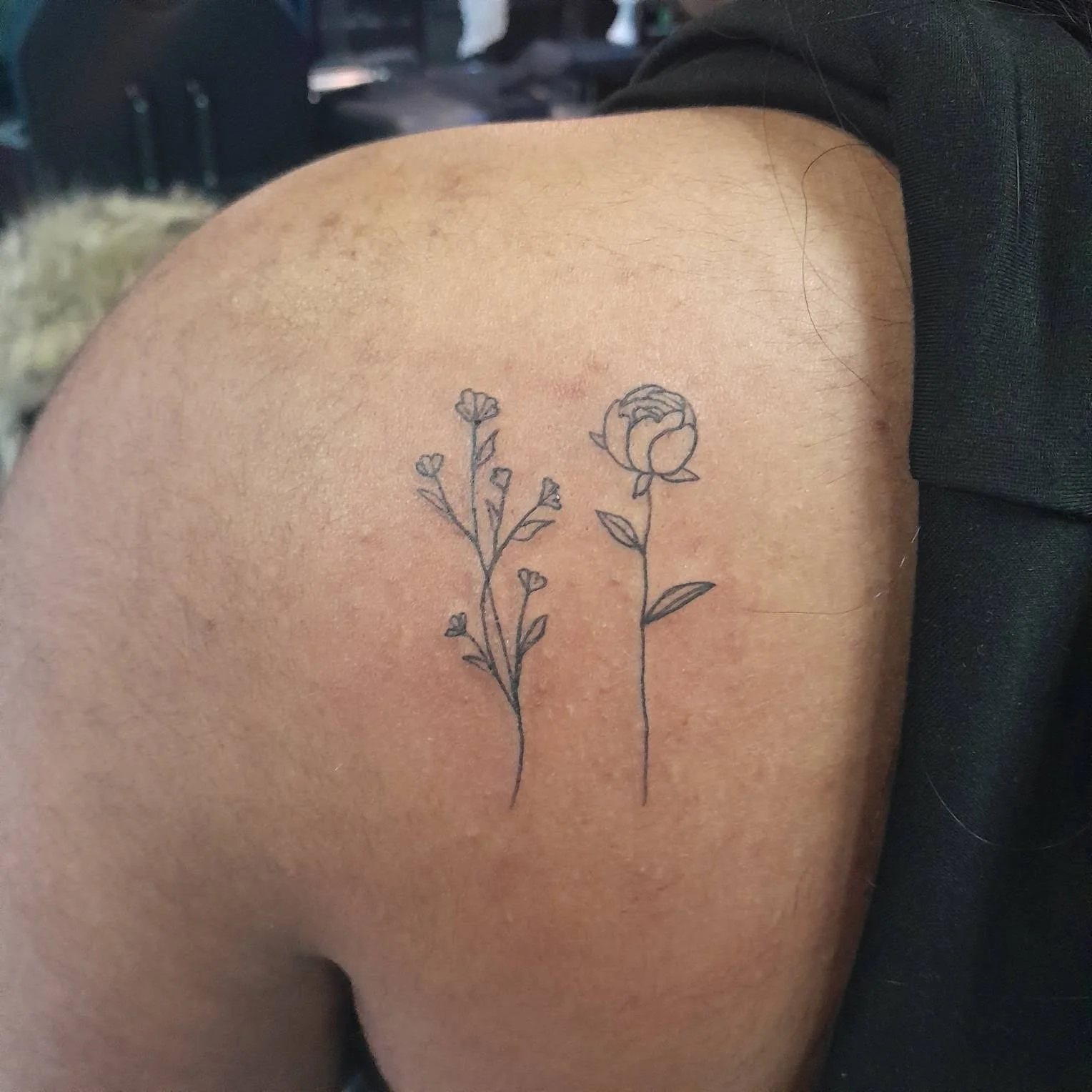
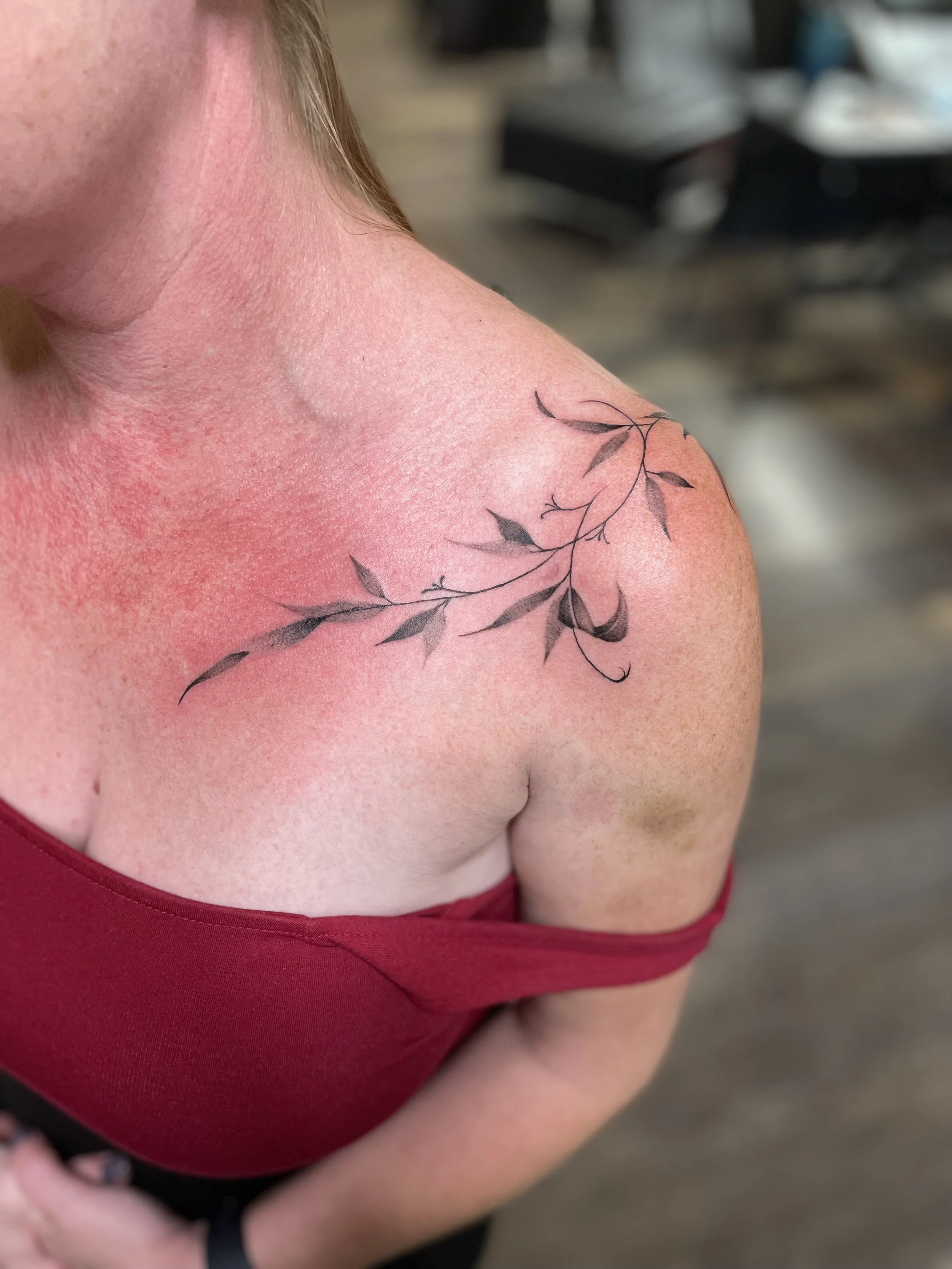
Flowers remain a classic choice for single-needle execution. Delicate petals, thornless stems, and organic leaves render beautifully with fine line shading. Whether it is a single-line rose, lavender sprigs, or local Ohio Trilliums, floral work feels light and timeless. Read our guide on fine line flower tattoos for botanical design concepts.
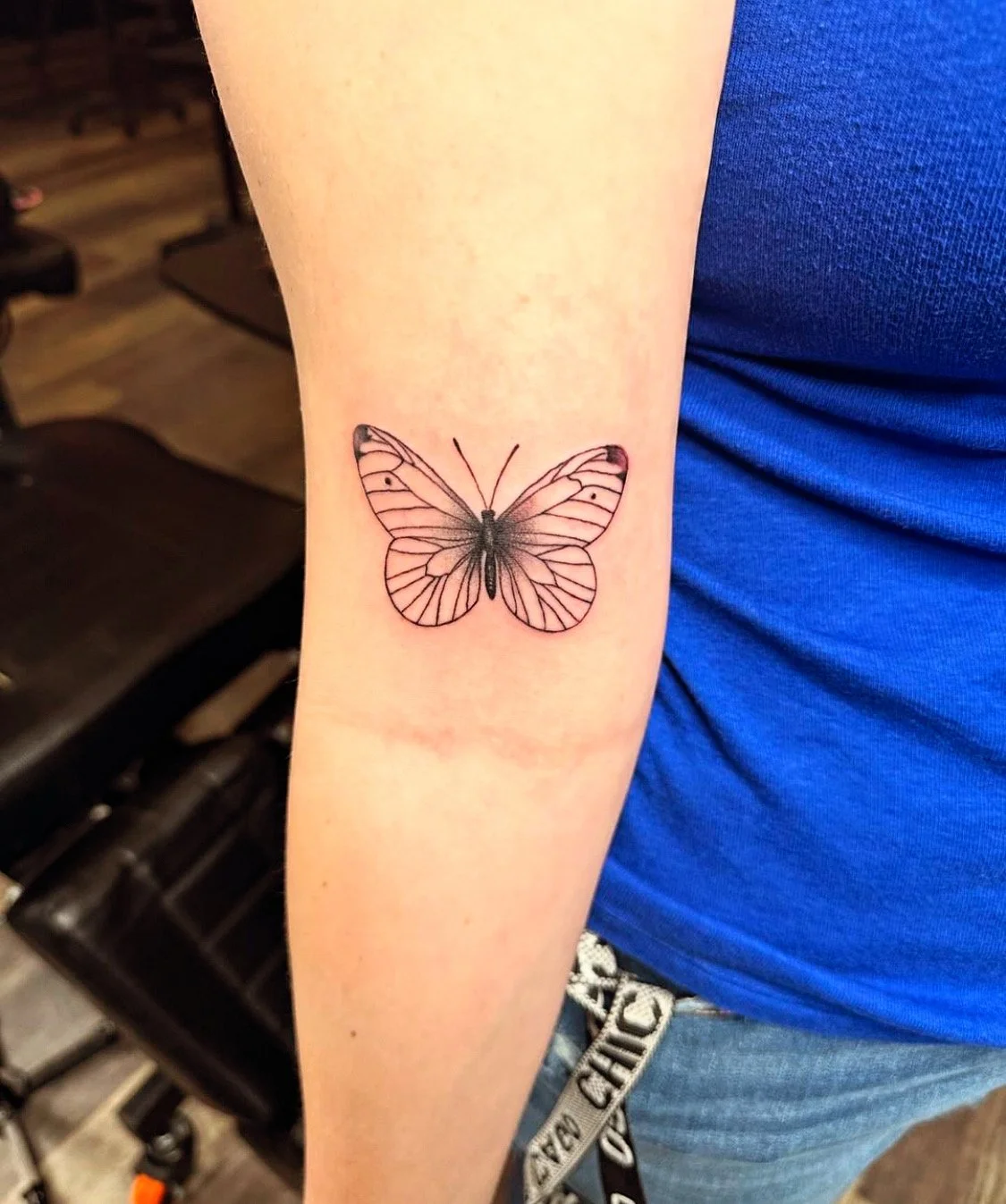
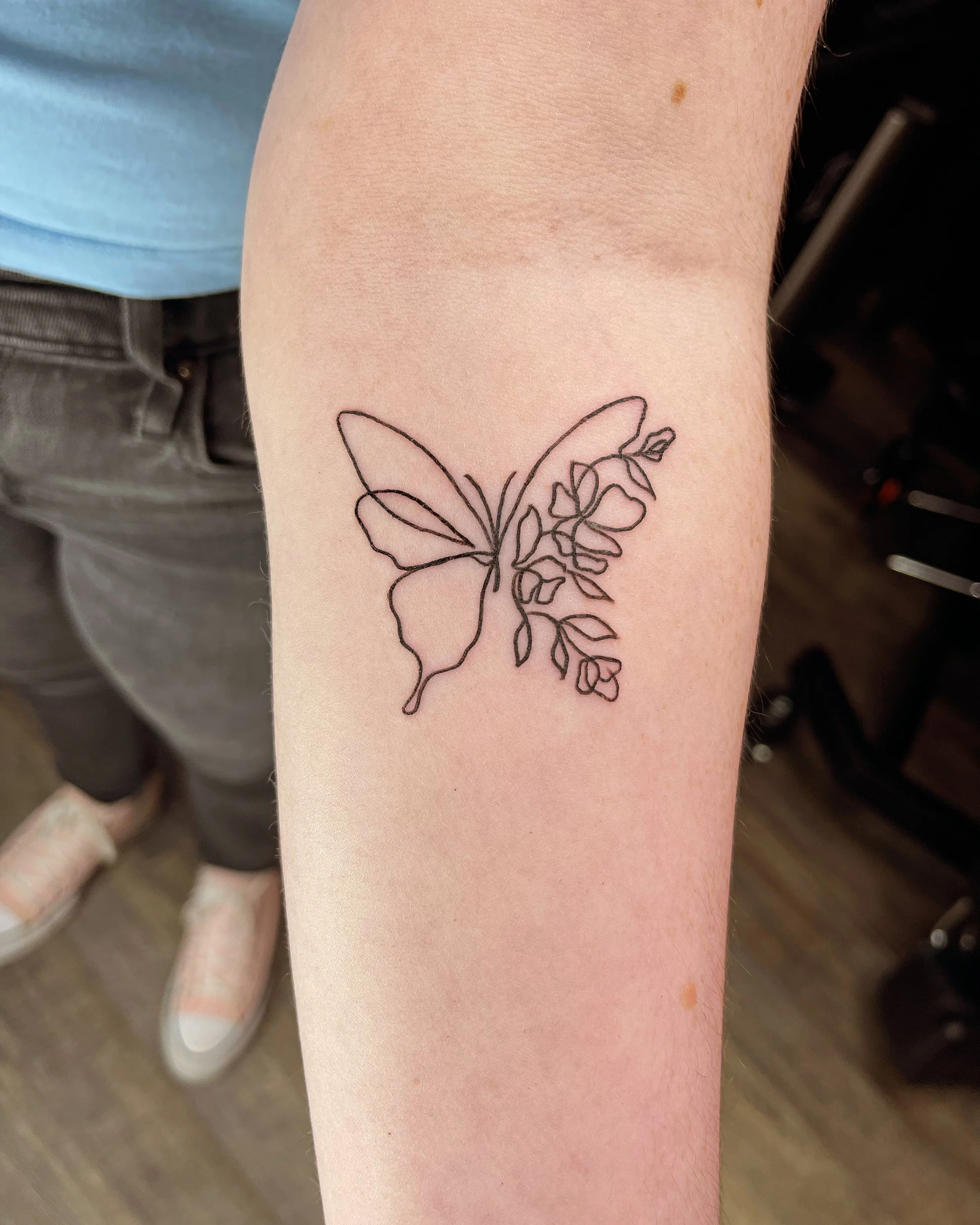
2. Butterfly Motifs
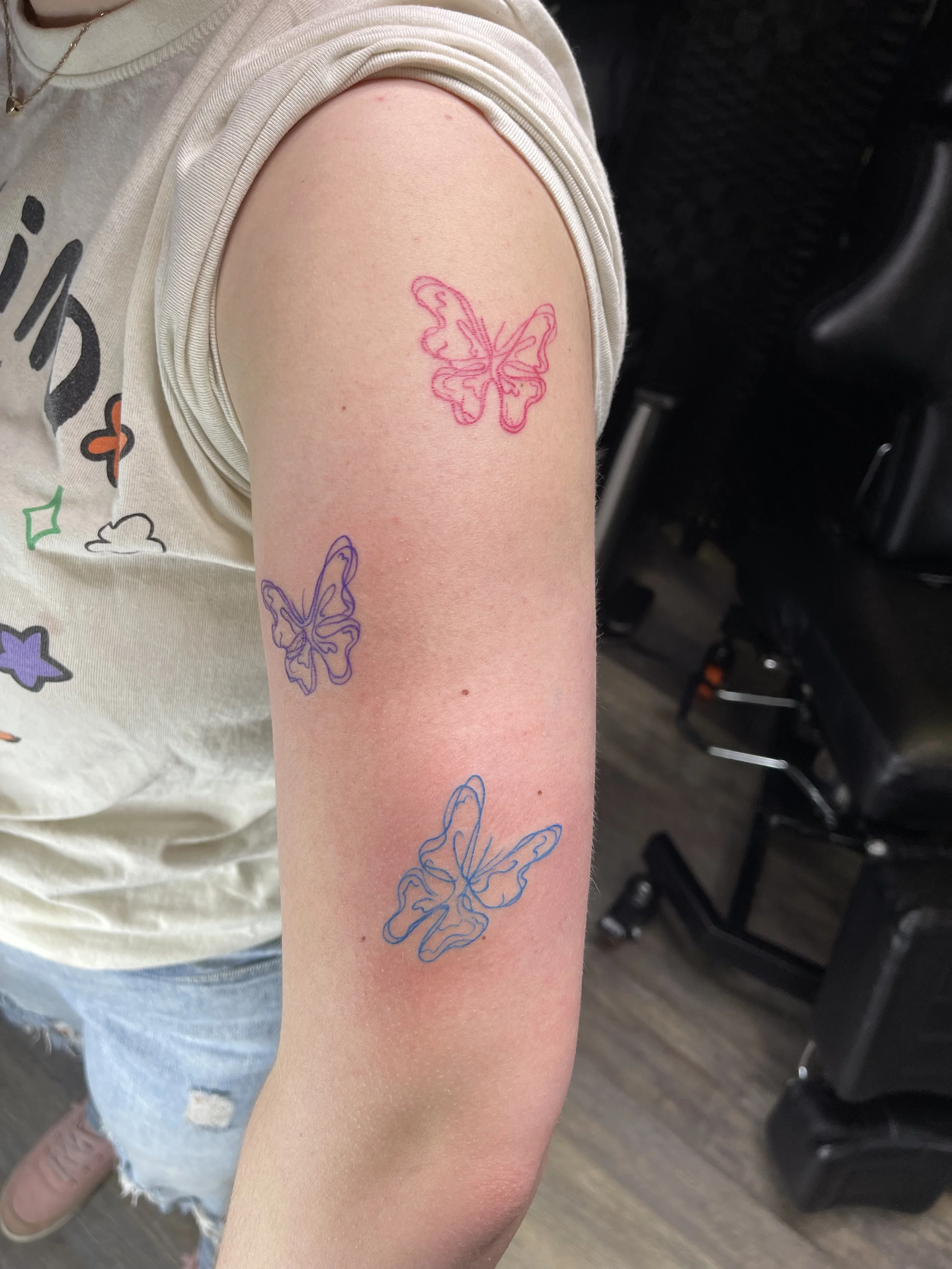
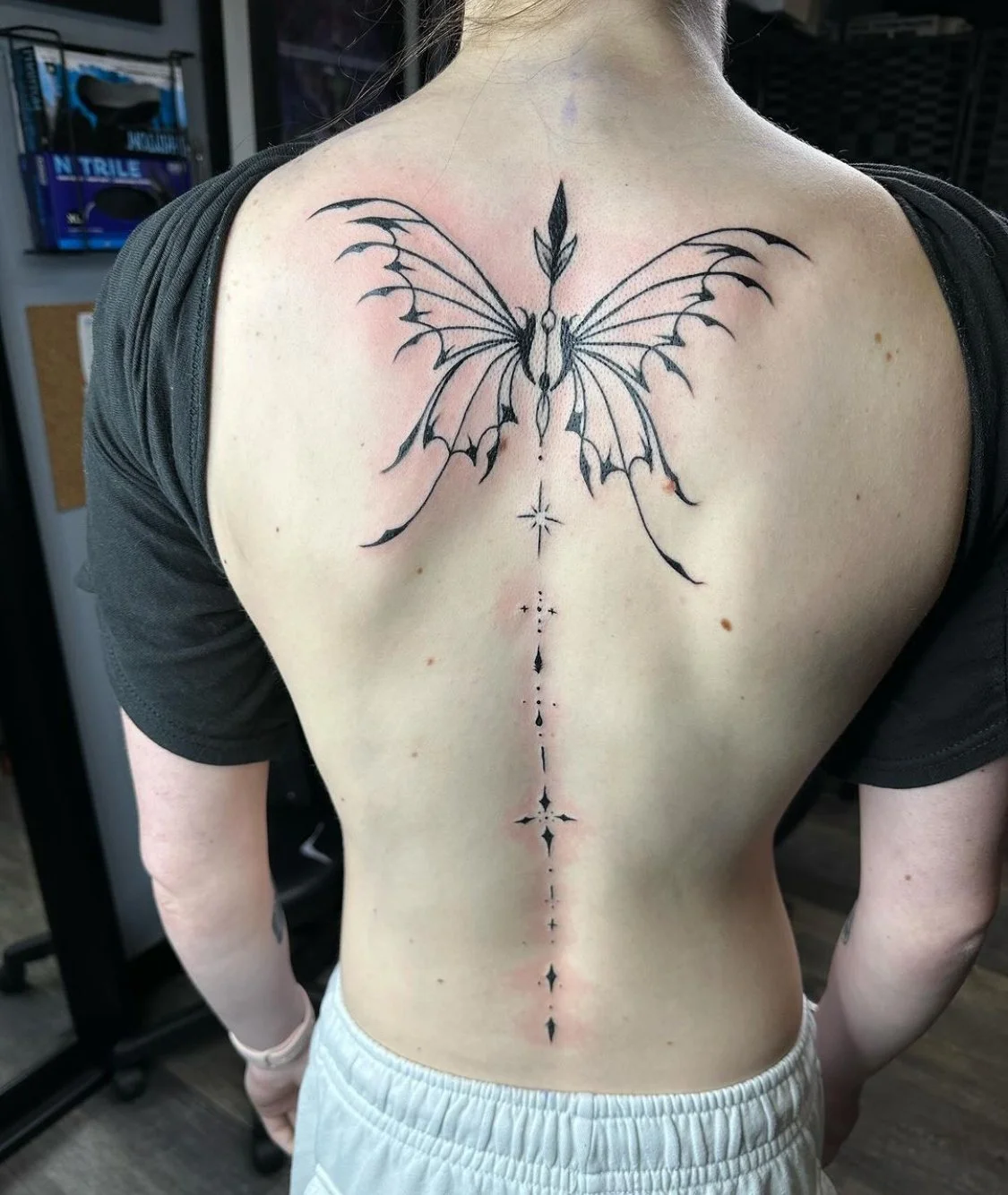
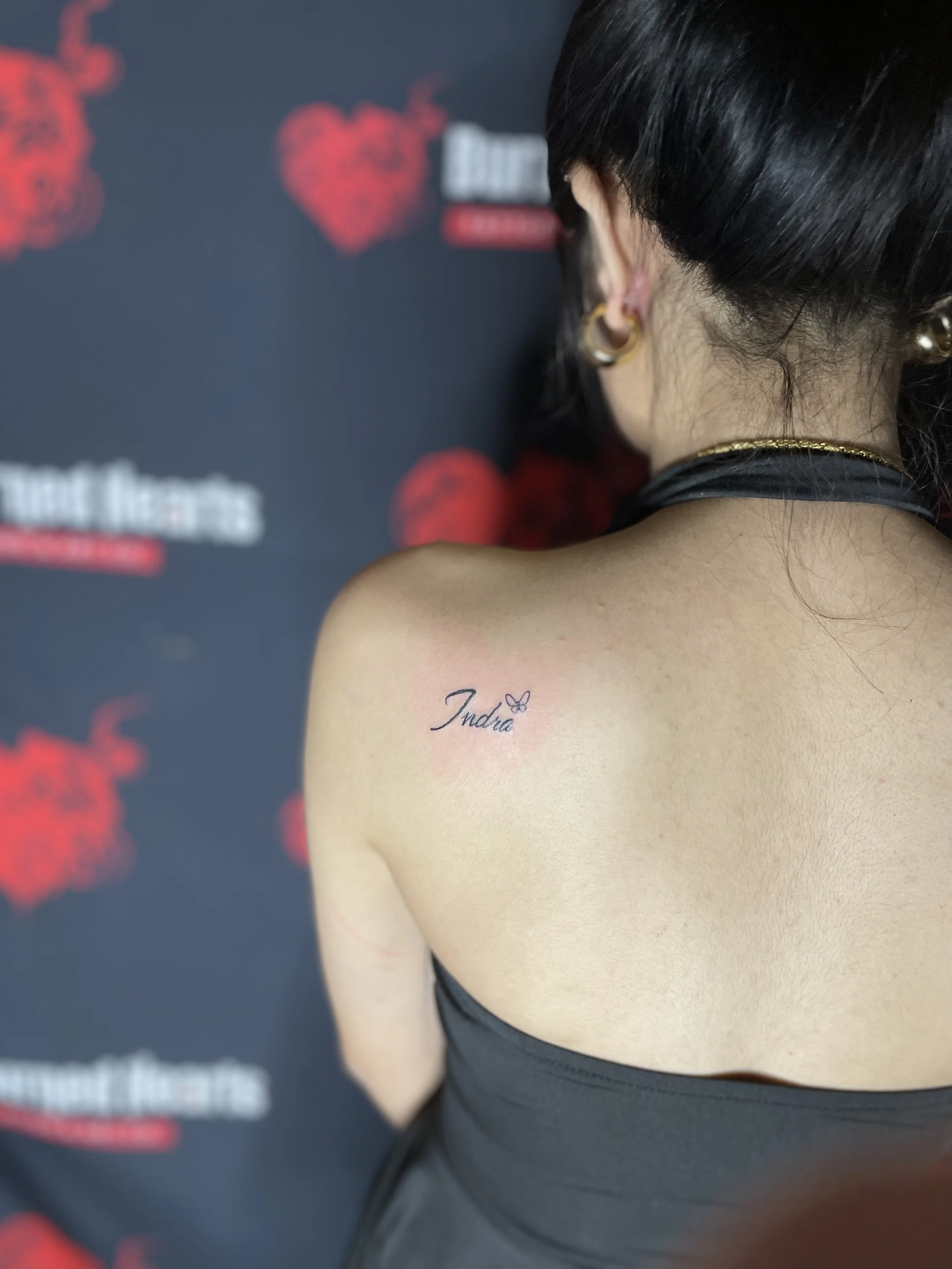
Butterflies symbolize transformation, freedom, and new beginnings. Single-needle linework allows artists to detail wing vein patterns, micro-stippling, and subtle geometric accents within small spaces. Read about the history and symbolic meanings behind fine line butterfly tattoos.
3. Small and Micro Minimalist Tattoos
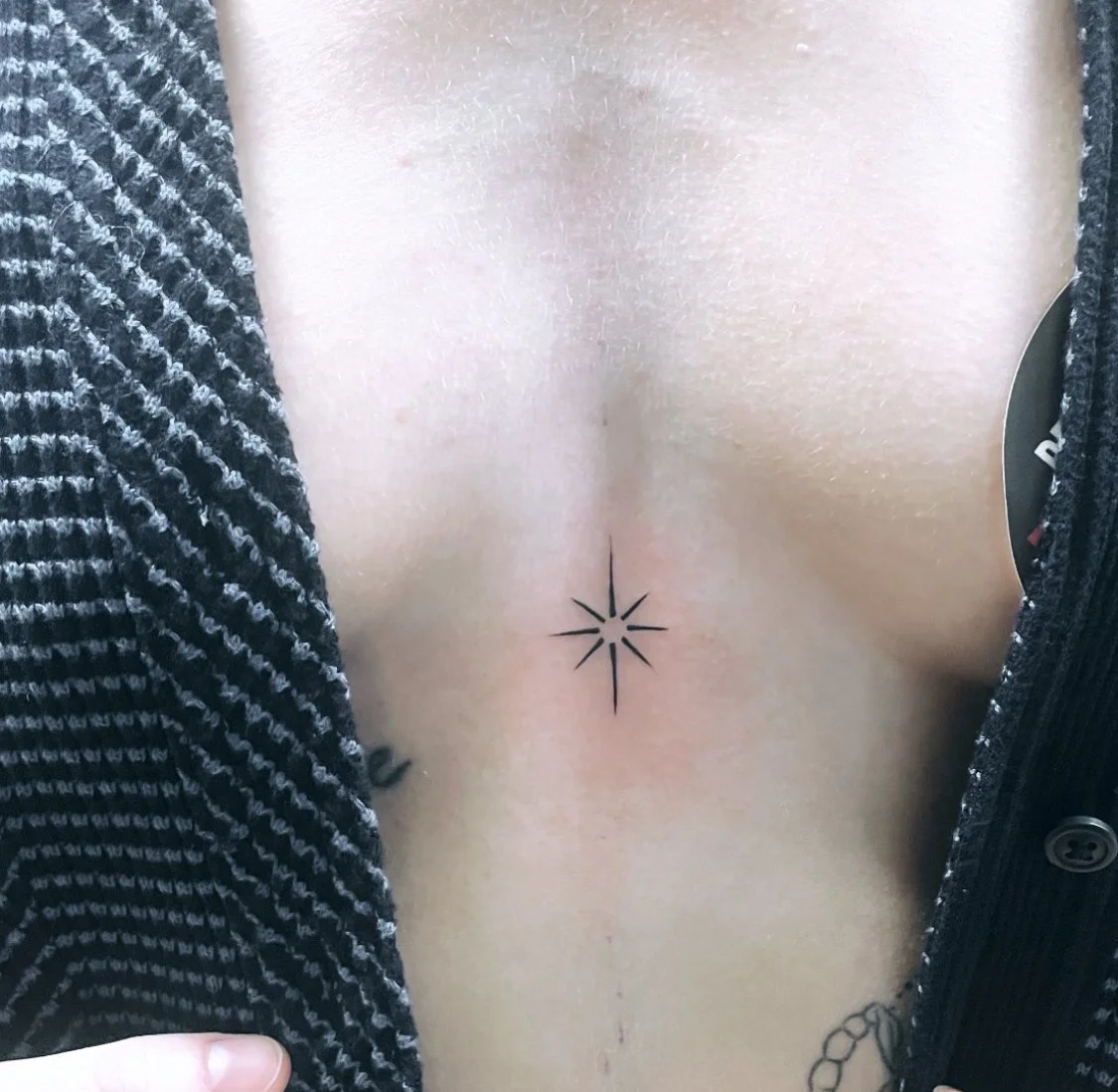
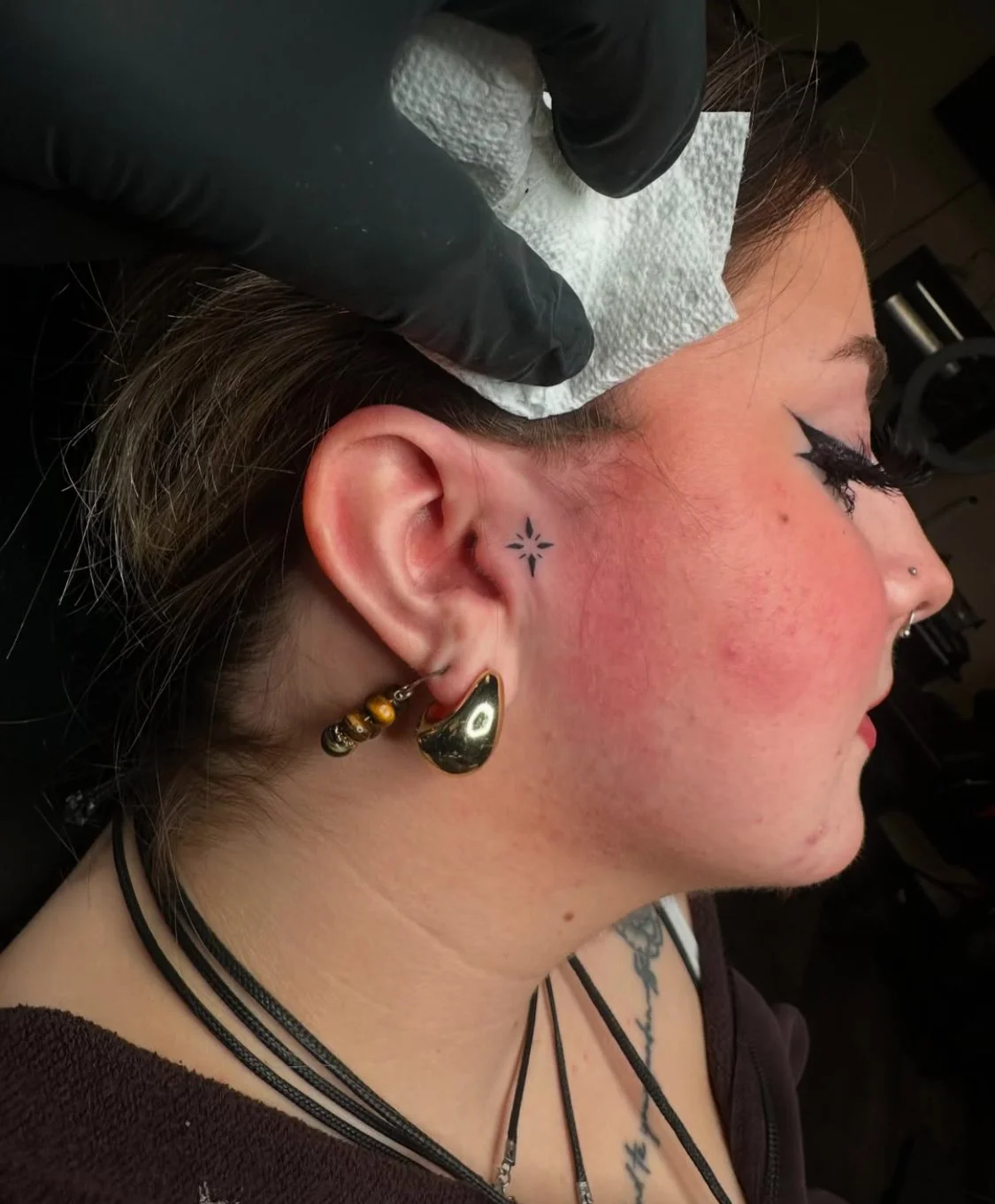
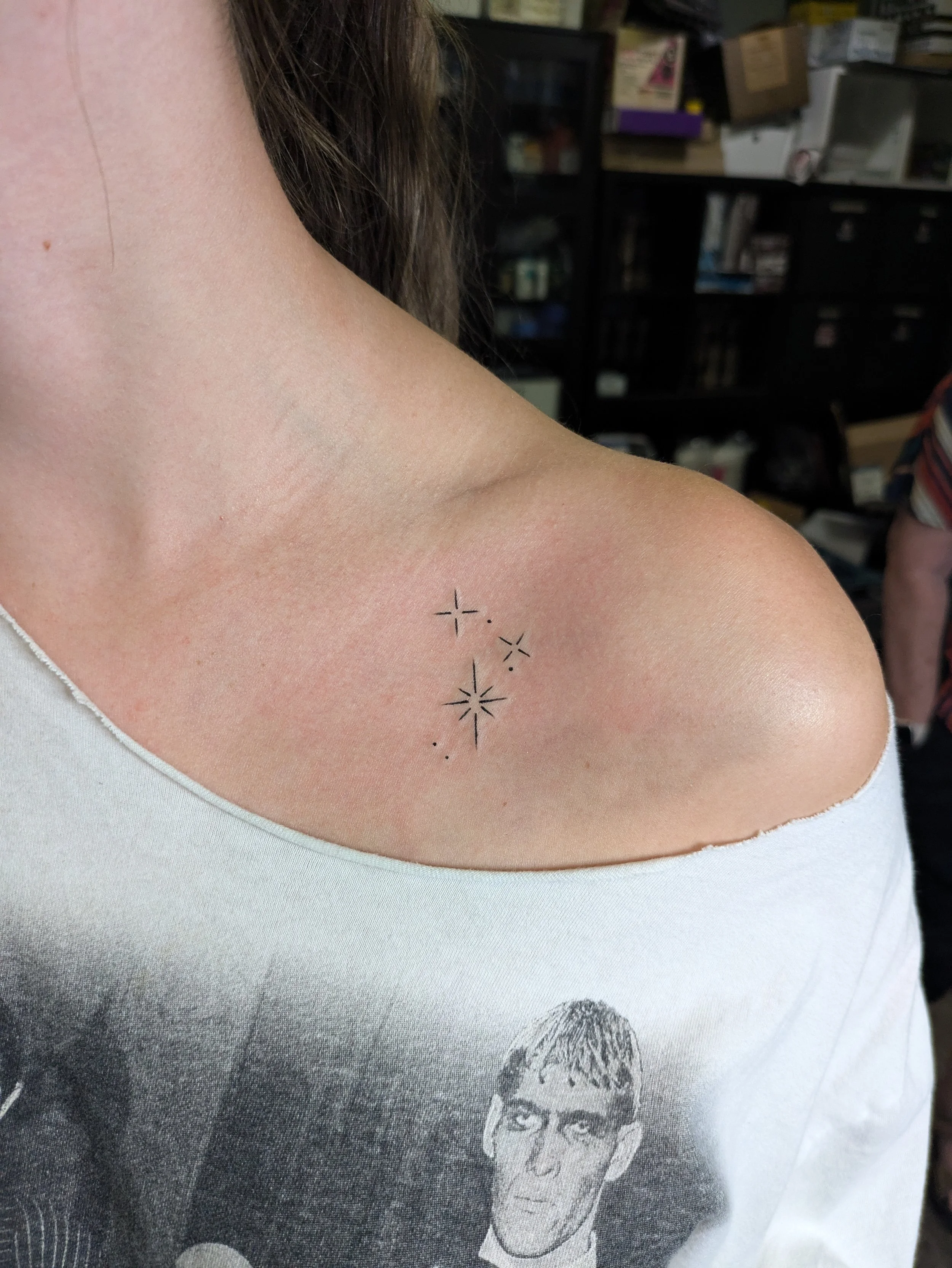
Micro tattoos prove that impact isn't tied to physical size. Tiny constellations, minimalist animal silhouettes, single-word cursive scripts, or discreet symbols carry deep personal meaning without overwhelming your skin canvas. Discover placement tips and creative inspiration for small fine line tattoos and minimalist designs.
4. Script and Delicate Typography
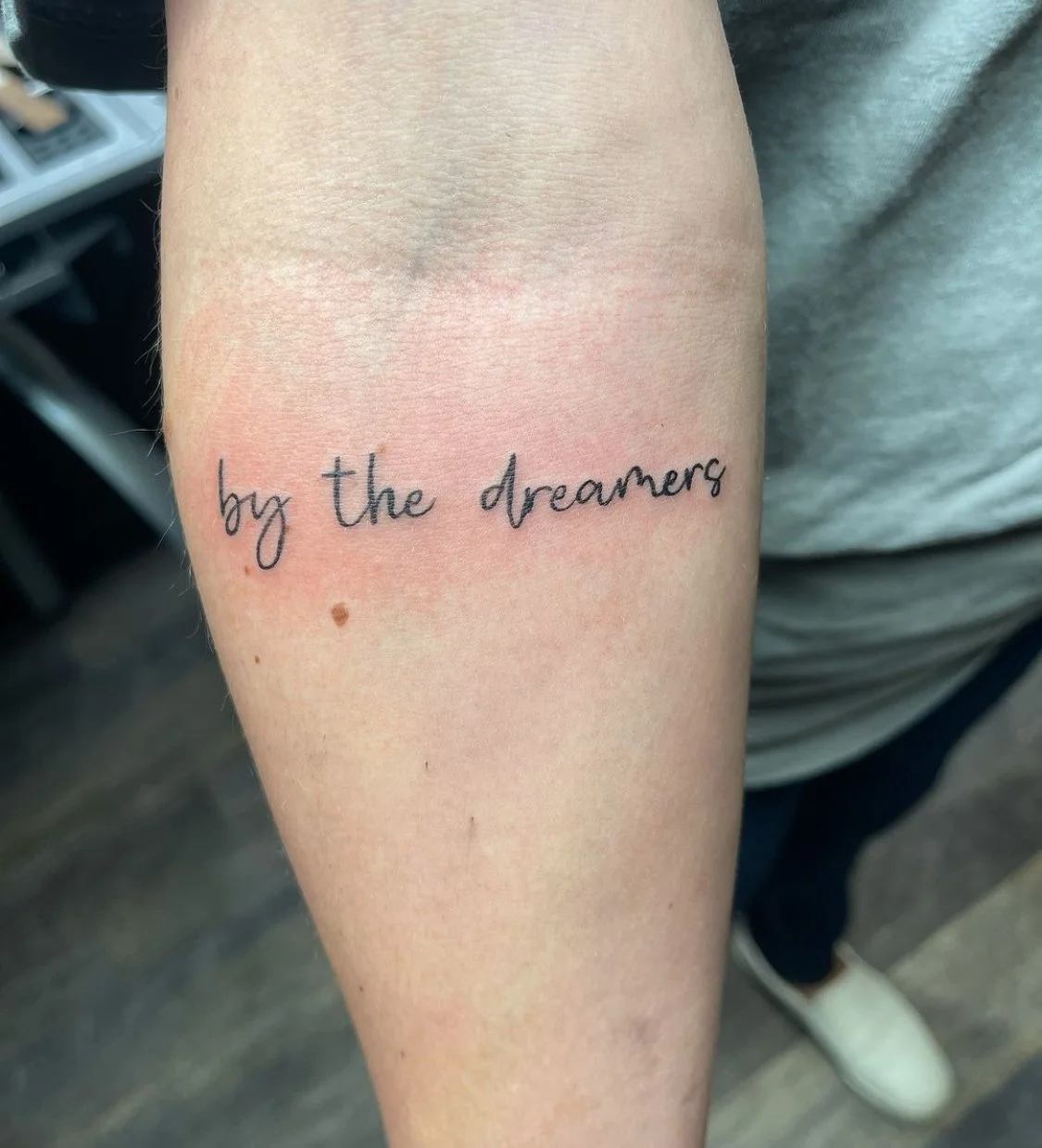
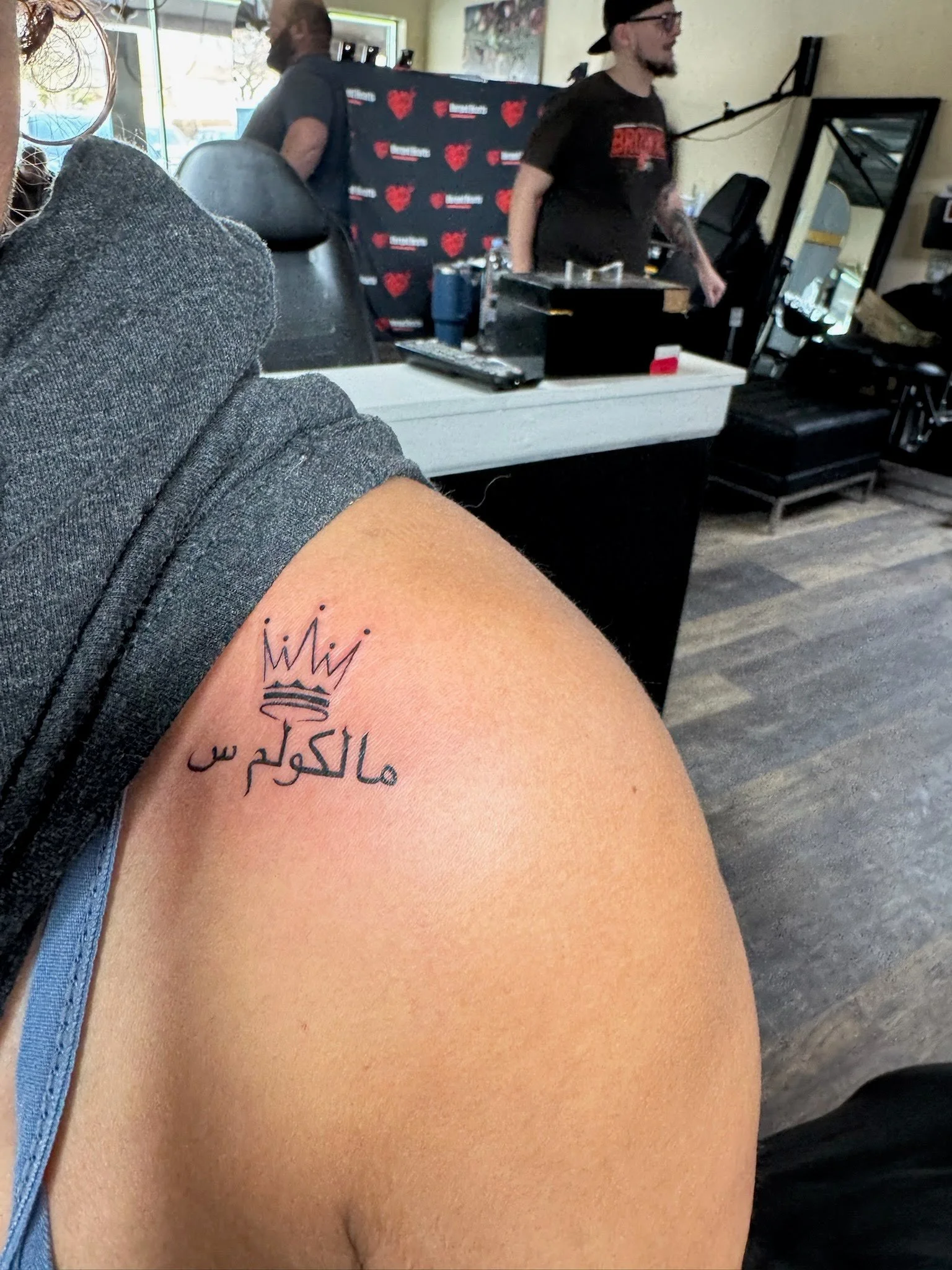
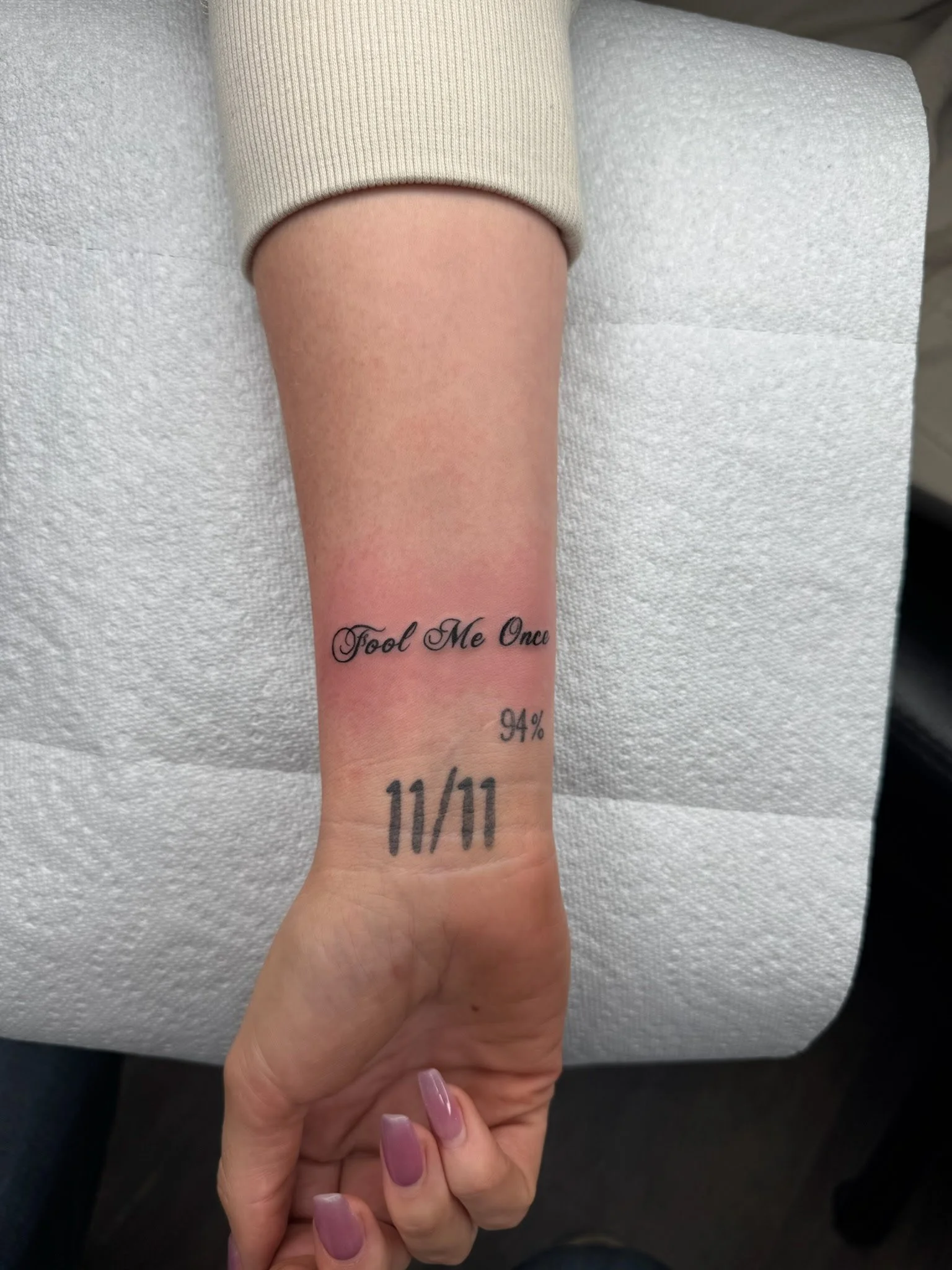
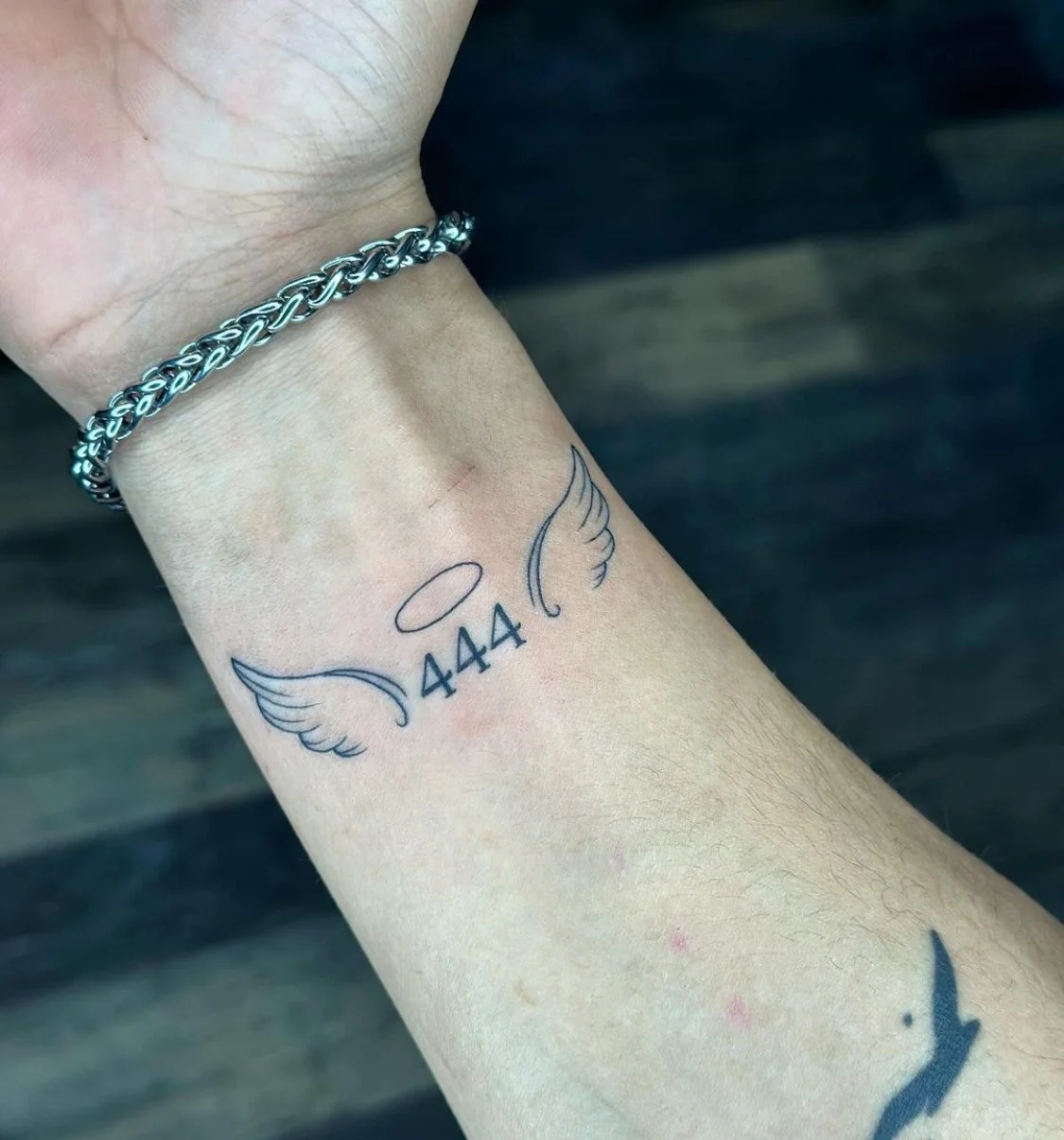
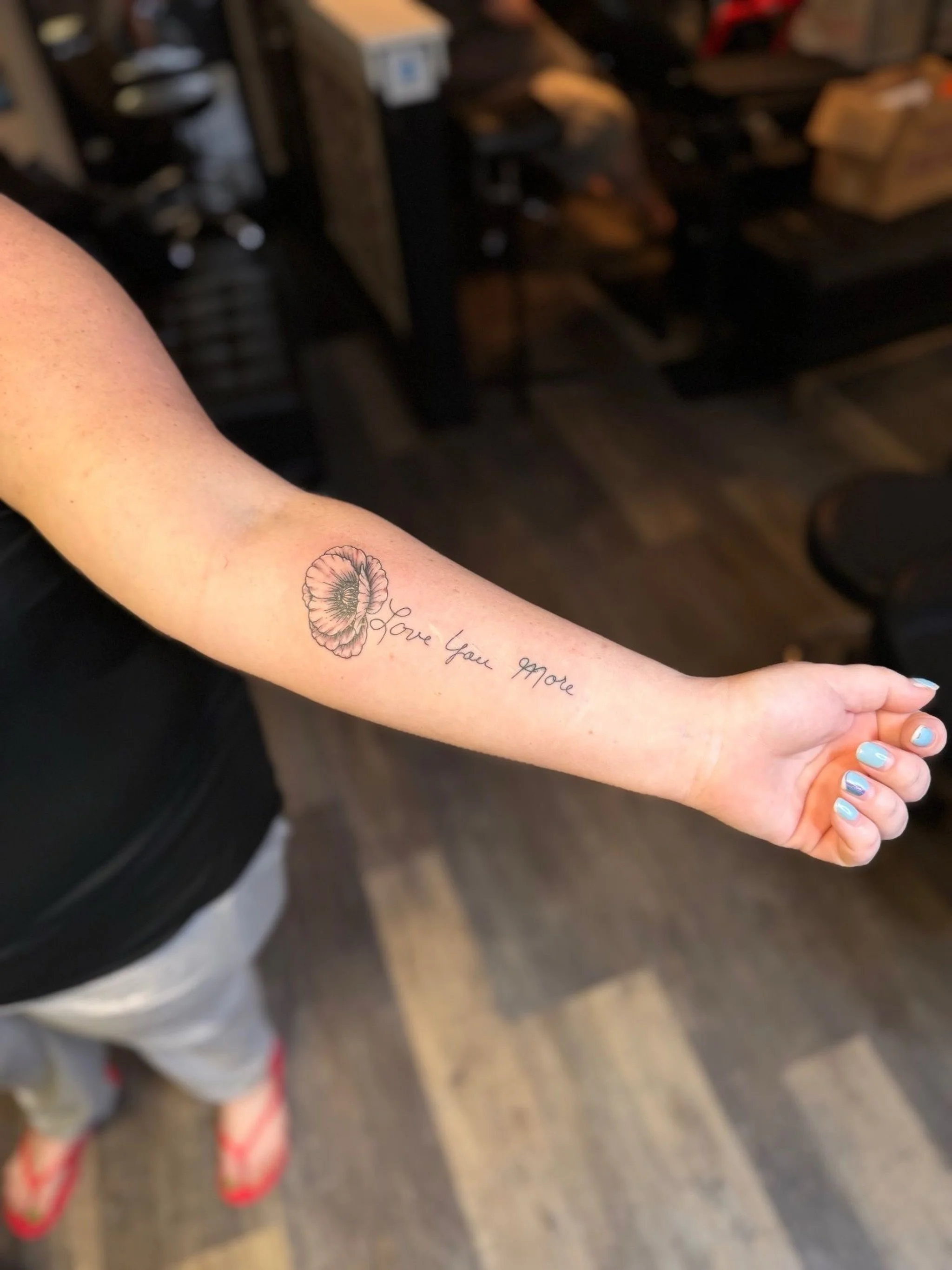
Custom script relies heavily on fine line techniques. From loved ones' handwritten notes to meaningful quotes or area codes (like a subtle "614" for Columbus pride), fine needle groupings capture the subtle nuances of human penmanship.
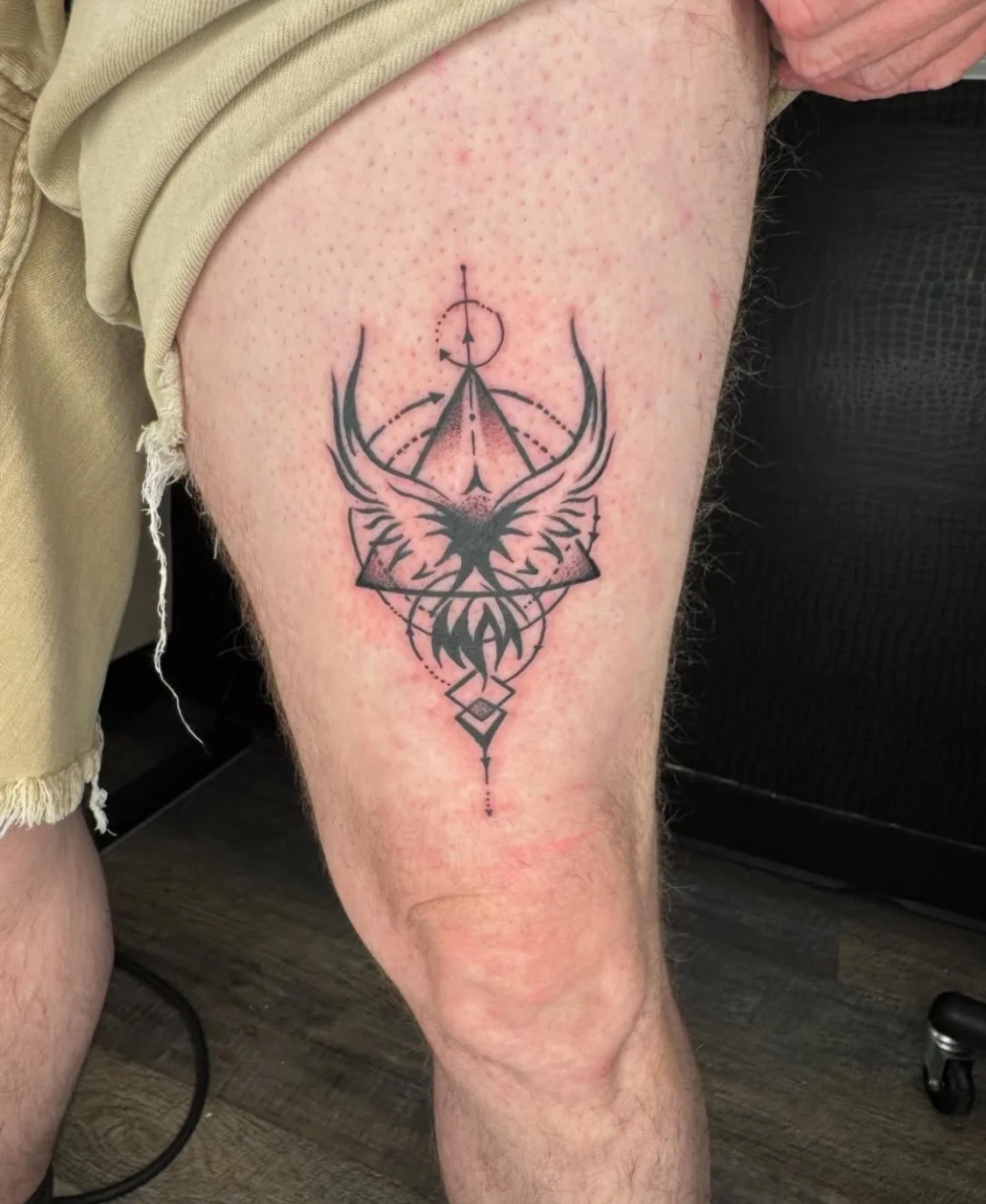
5. Geometric and Celestial Art
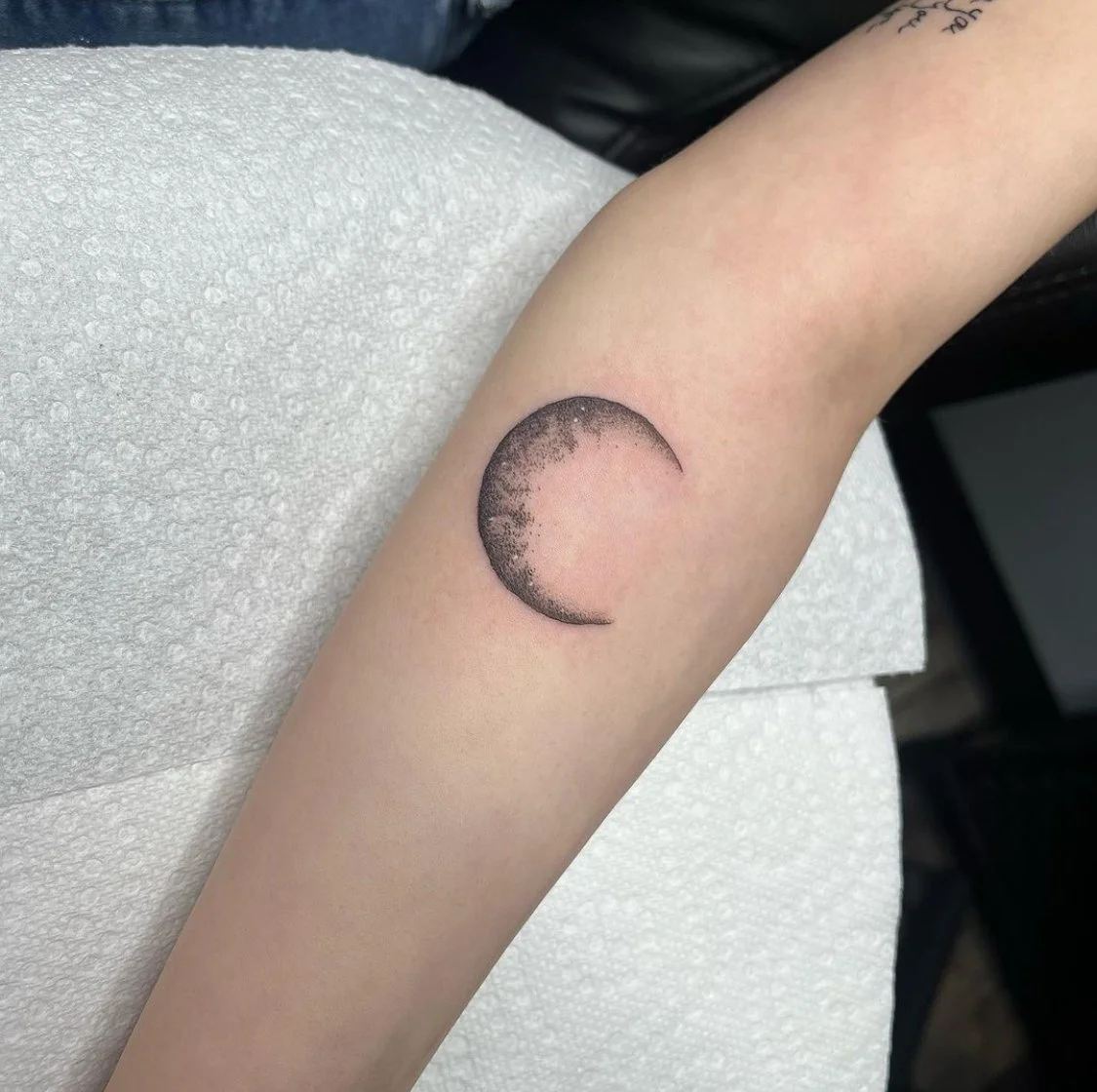
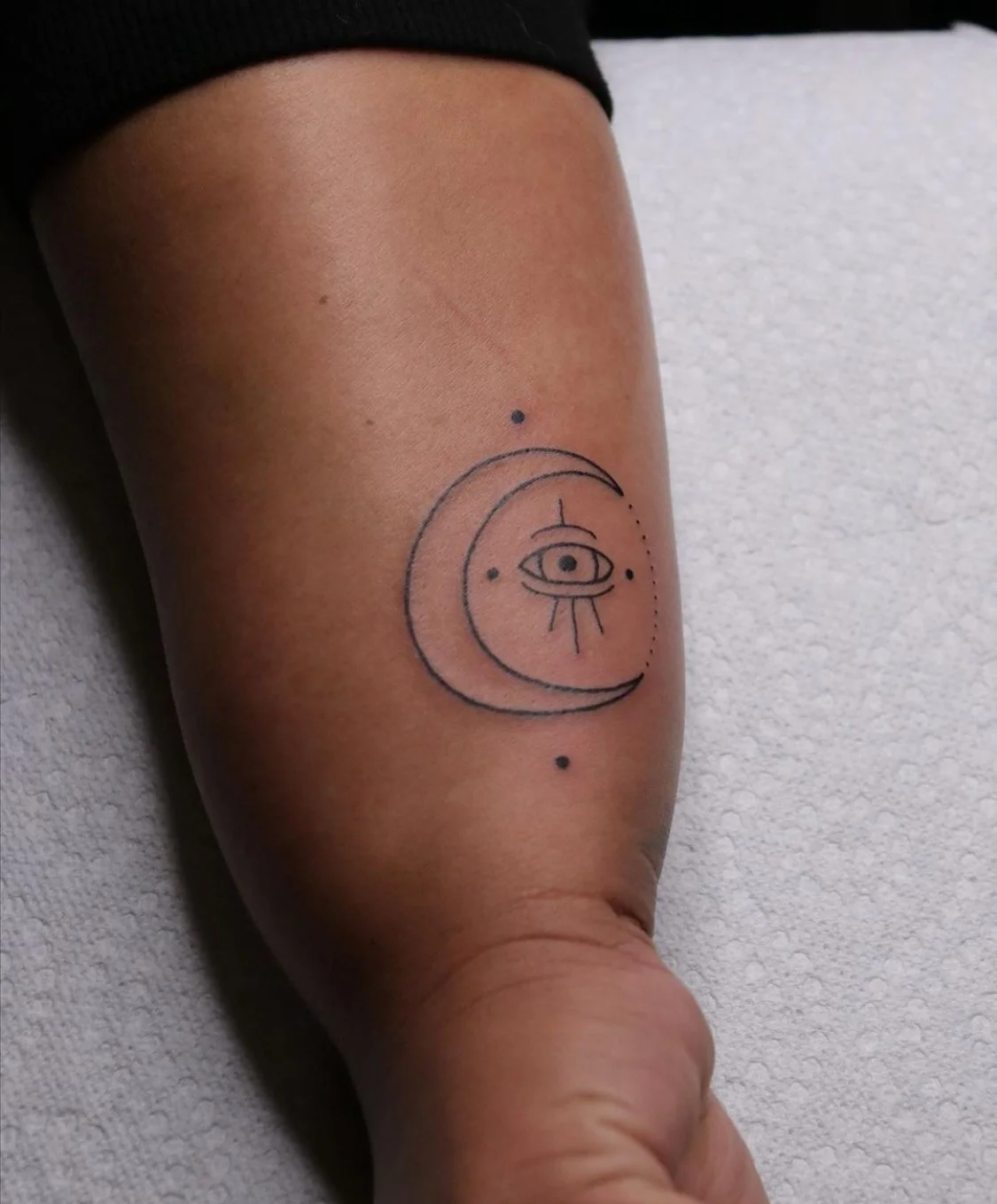
Clean symmetry, fine mandalas, single-line compasses, and delicate moon phases showcase the geometric precision of single-needle work.
Finding the Right Fine Line Tattoo Artist in Columbus, Ohio
Fine line work requires specialized training. An artist exceptional at heavy traditional work may not necessarily specialize in single-needle control. Use this checklist when selecting an artist:
Review Healed Portfolios: Always ask to see photos of healed fine line work (6+ months old), not just fresh, red tattoos. Fresh lines always look crisp; healed photos reveal an artist's true depth control.
Check Line Consistency: Look closely at an artist's line art. Are lines solid and steady, or do they look shaky, broken, or blown out?
Verify Hygiene Standards: Ensure the studio strictly uses single-use, pre-sterilized cartridge needles, autoclave-sterilized equipment, and hospital-grade disinfectants.
Book a Consultation: A consultation lets you discuss scale, placement, skin type, and design complexity with your artist before committing.
Essential Fine Line Tattoo Aftercare and Healing
Proper aftercare plays a massive role in how well fine line linework heals and holds pigment.
Protective Film: Keep your artist-applied second-skin bandage (such as Saniderm) on for the recommended 1 to 3 days to shield open skin from bacteria.
Gentle Cleansing: Wash the tattoo twice daily using lukewarm water and a fragrance-free, mild antibacterial soap (like Dial). Gently pat dry with a fresh paper towel—never rub with a bath towel.
Light Moisture: Apply a paper-thin layer of fragrance-free lotion or specialized aftercare balm. Over-moisturizing can clog pores or draw ink out of shallow lines.
Avoid Soaking: Skip swimming pools, hot tubs, baths, and intense workouts that cause heavy sweating for at least 14 days.
Sun Protection: Once your tattoo is fully healed (4 to 6 weeks), apply broad-spectrum SPF 50+ sunscreen daily. UV light is the primary cause of line fading.
For a complete day-by-day healing schedule, consult our guide to fine line tattoo aftercare tips.
Understanding How Fine Line Tattoos Age
All tattoos evolve as skin cell turnover and aging occur. Because fine line tattoos use less ink density, understanding how they mature helps keep them looking sharp.
Friction Zones: High-contact areas like fingers, palms, feet, and inner elbows shed skin cells rapidly, causing thin lines to fade faster than on the forearm, outer arm, or thigh.
Sun Exposure: Unprotected sun exposure breaks down pigment particles under the skin, softening sharp dark lines into muted tones over time.
Touch-Ups: Fine line tattoos can easily be refreshed. A minor touch-up session every 5 to 10 years restores crispness and contrast to aged linework.
Fine Line Longevity Predictor
Select tattoo details to view instant clinical aftercare and durability estimates.
For visual examples and detailed aging factors, read our post on how fine line tattoos age over time.
Conclusion
Fine line tattoos offer an understated, elegant approach to body art, blending surgical precision with subtle, personal storytelling. Because single-needle work relies on shallow dermal placement, exact depth control, and deliberate negative space, achieving a clean piece that ages gracefully requires a specialized technical skill set.
Whether you are planning a discreet minimalist symbol, delicate handwritten script, or a detailed botanical illustration, choosing an experienced artist and following proper aftercare ensures your linework stays crisp and beautiful over time.
Ready to bring your fine line concept to life? Schedule a consultation with the team at Burned Hearts Tattoo to collaborate with our single-needle specialists and design a lasting piece built specifically for you.

Frequently Asked Questions
-
Yes, most clients report significantly less discomfort. Fine line work utilizes smaller needle groupings (like 1RL or 3RL) that penetrate the skin gently, causing less nerve stimulation and tissue trauma than heavy shading or thick outlines.
-
No, provided it is applied correctly. Blurring occurs when ink is placed too deep (causing a blowout) or when a design is squeezed into too small a space. An experienced artist will scale your design so lines retain clarity as the ink naturally settles over time.
-
Yes. Because fine line tattoos contain less pigment density than solid blackwork, they respond exceptionally well to laser tattoo removal treatments and are much easier to cover with new artwork if your tastes change.
-
Low-friction areas with stable skin elasticity hold fine lines best. Prime locations include the inner forearm, upper arm, outer shoulder, calf, and ribcage. High-friction areas like fingers, wrists, and feet require more frequent touch-ups.