Aged Fine Line Tattoo: How Long They Last, Why They Fade & How to Keep Them Sharp for Years
Original published date: dec 22, 2025
Major updated date: aug 5, 2026
Fine line tattoos have taken over Instagram feeds and Pinterest boards for a reason. They look delicate, elegant, and almost like a whisper on the skin. But the moment someone falls in love with a tiny botanical stem or a barely-there script, the same question pops up in the comments: “Wait… how do these actually age?”
We hear that concern every week in our studio. People love the clean, minimalist look, but they don’t want it to turn into a blurry smudge in five years. The good news? When done right and cared for properly, fine line work can stay surprisingly sharp for a decade or longer. The trade-off? They require a little more intention and aftercare than a traditional bold piece.
Whether you’re thinking about your first piece or looking for the best flash tattoo to start a minimalist collection, this guide breaks down everything you need to know about how fine line ink ages over time.
What Exactly Is a Fine Line Tattoo?
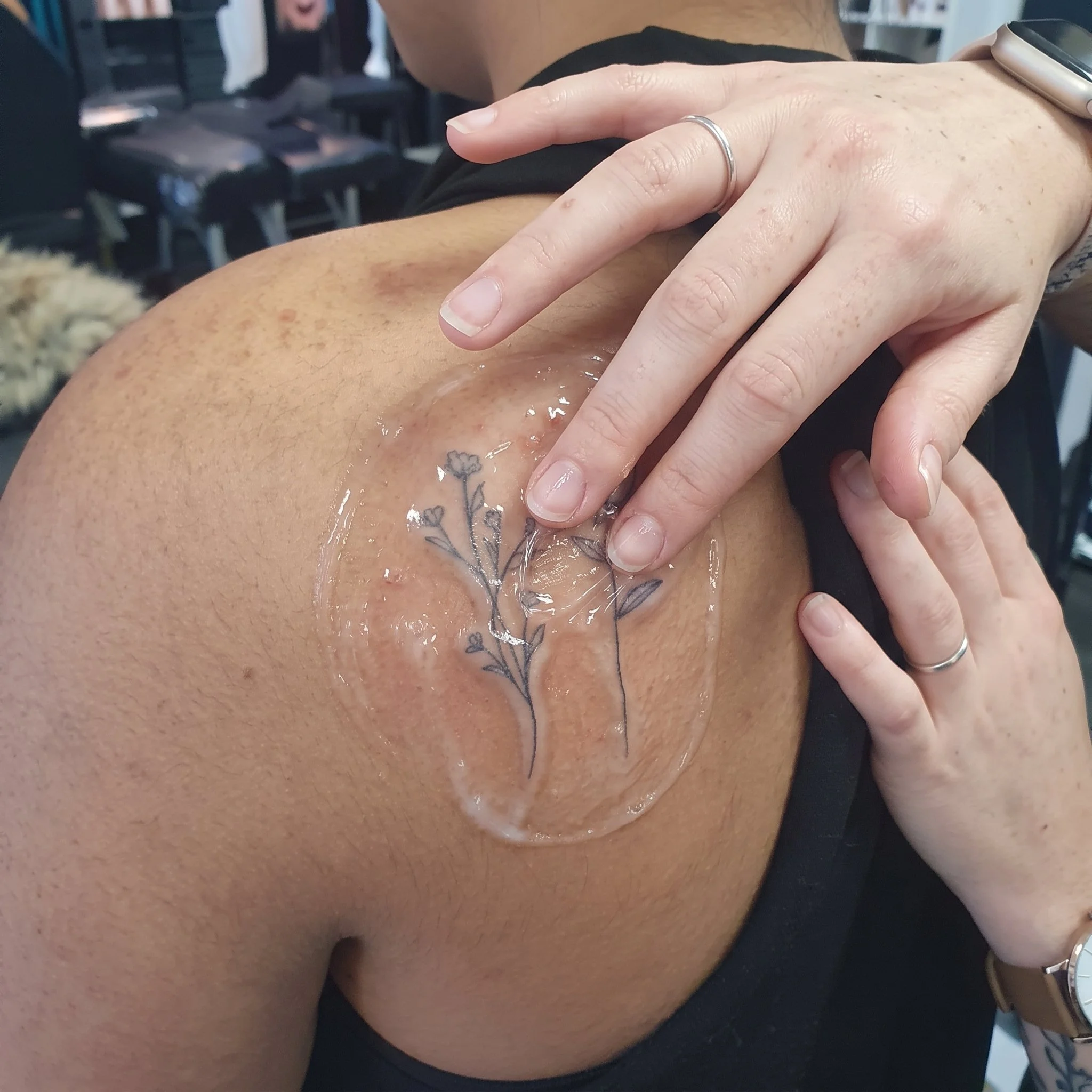
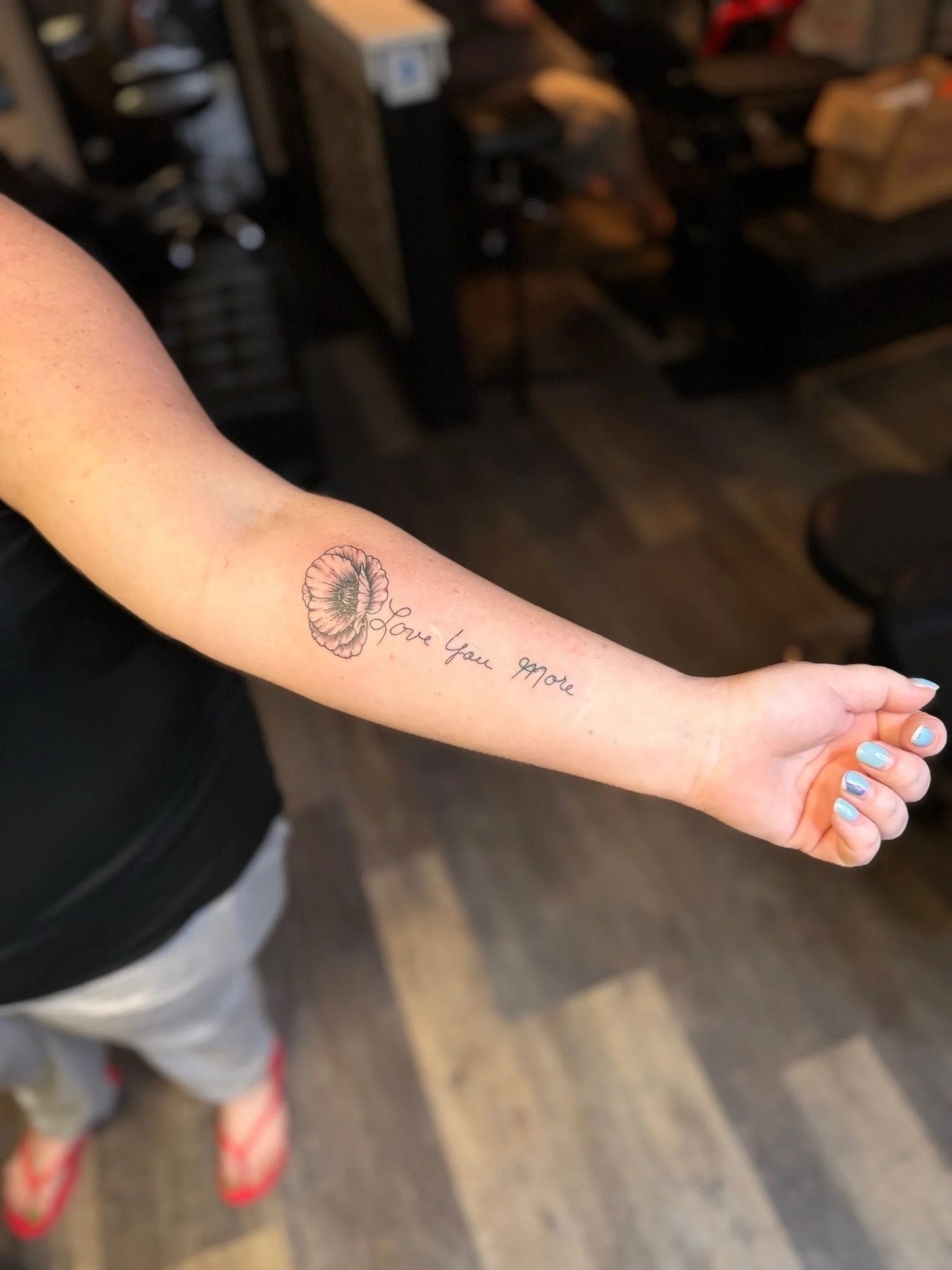
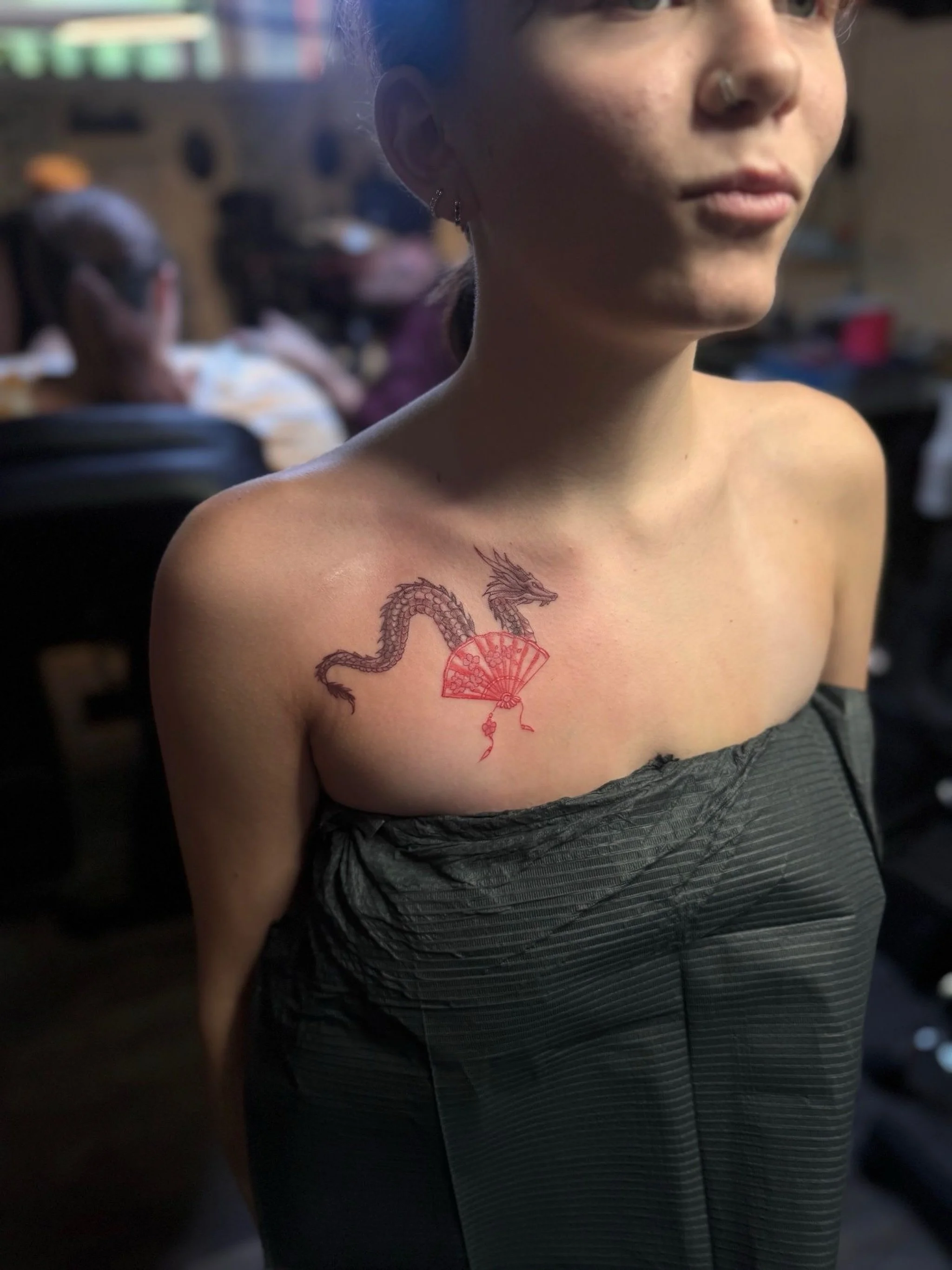
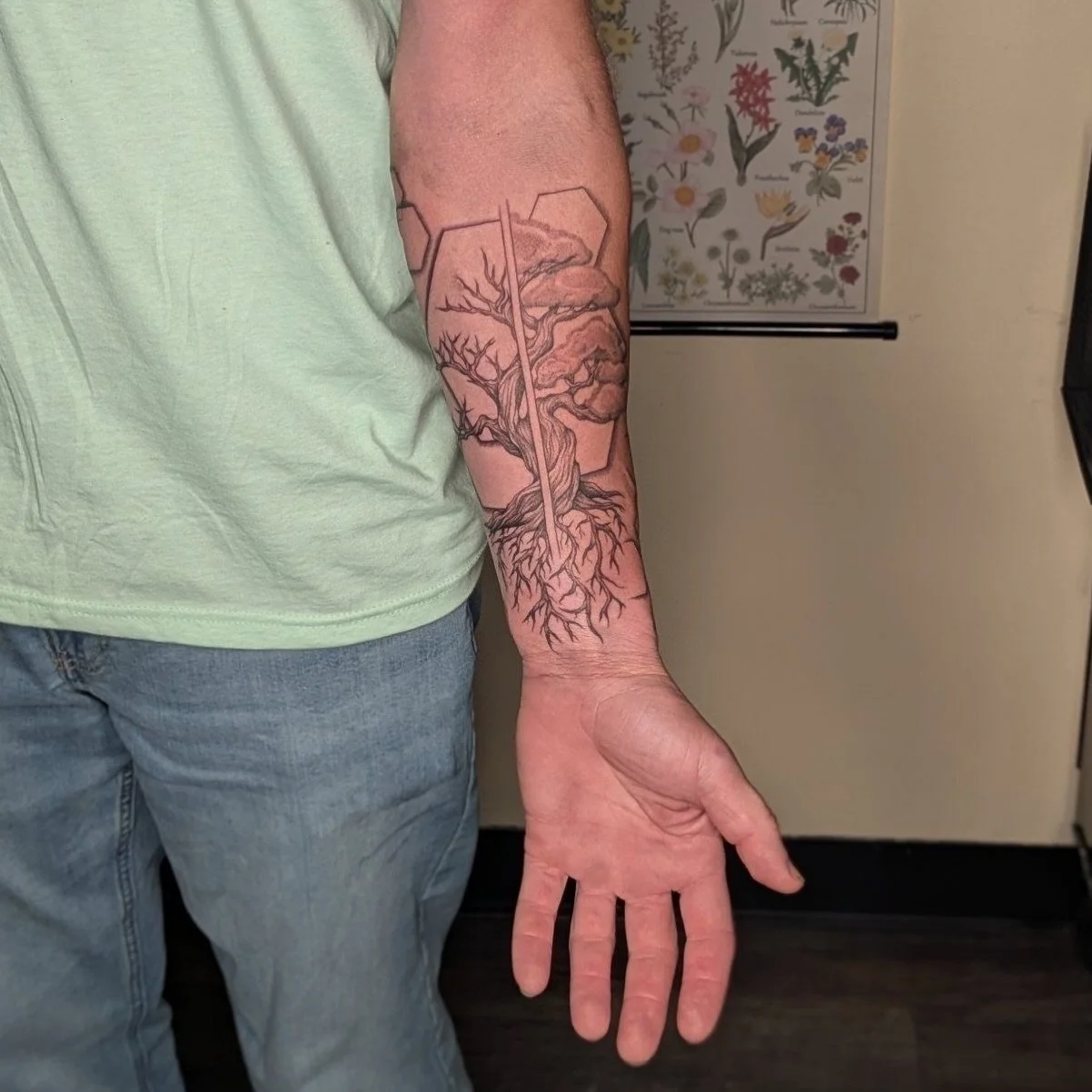
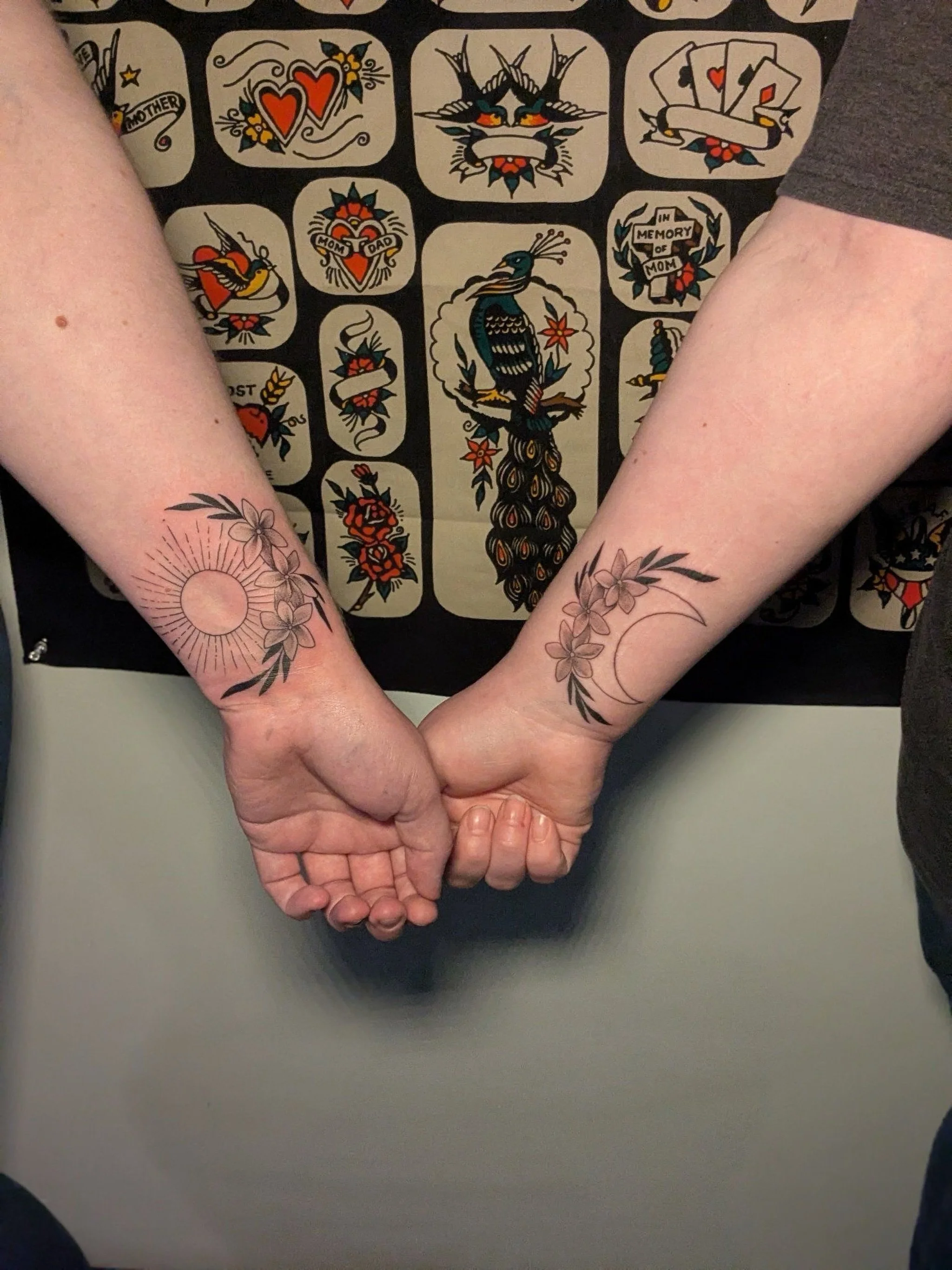
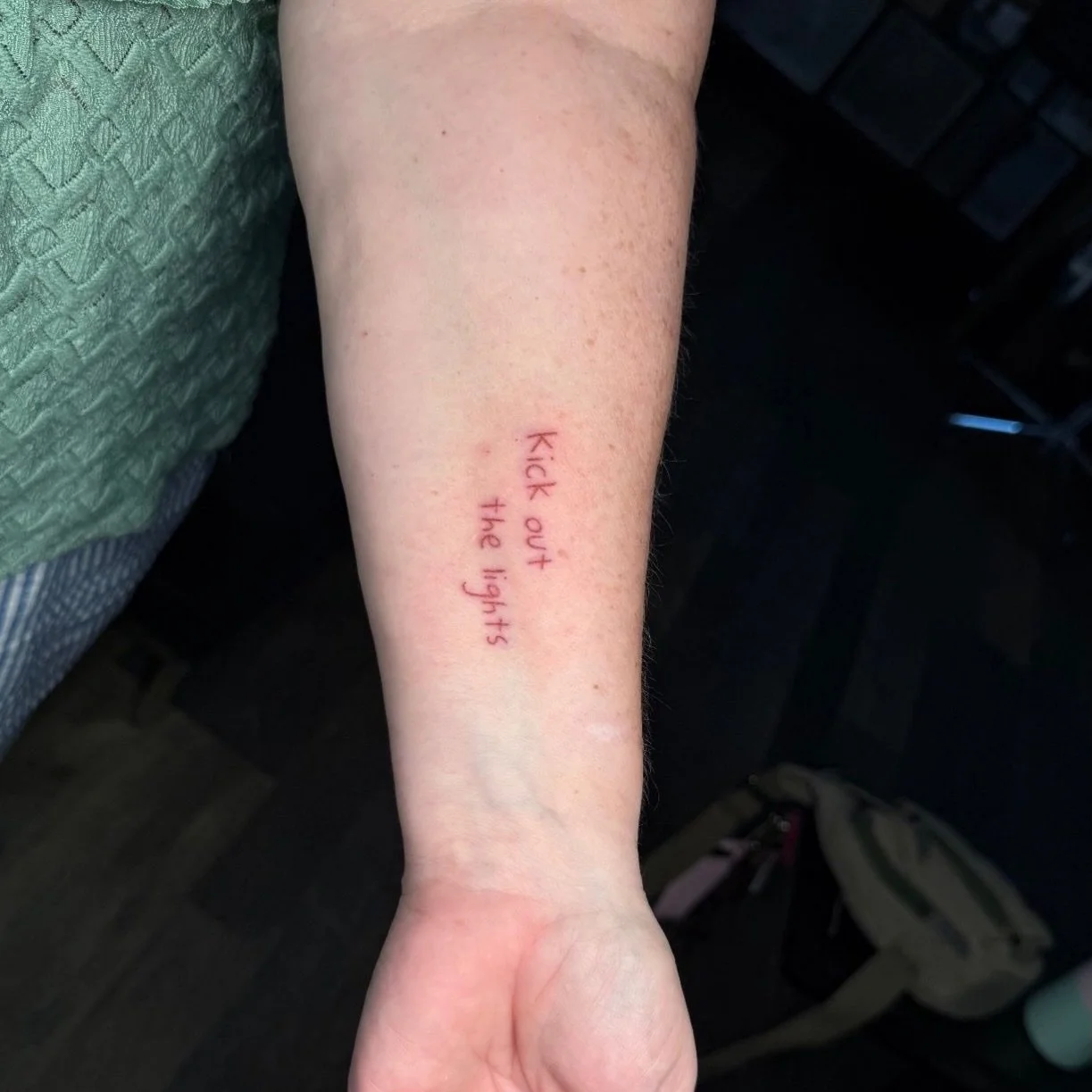
At its core, a fine line tattoo is created using a single needle (1RL) or a small needle grouping (3RL). The artist uses less voltage and a steadier, lighter hand than they would for heavy shading or bold traditional outlines. The result is hair-fine lines that sit precisely in the dermis layer of the skin.
Because less ink is deposited into the skin, the design relies on needle control rather than heavy saturation. That’s why this style excels for:
Botanical and floral stems
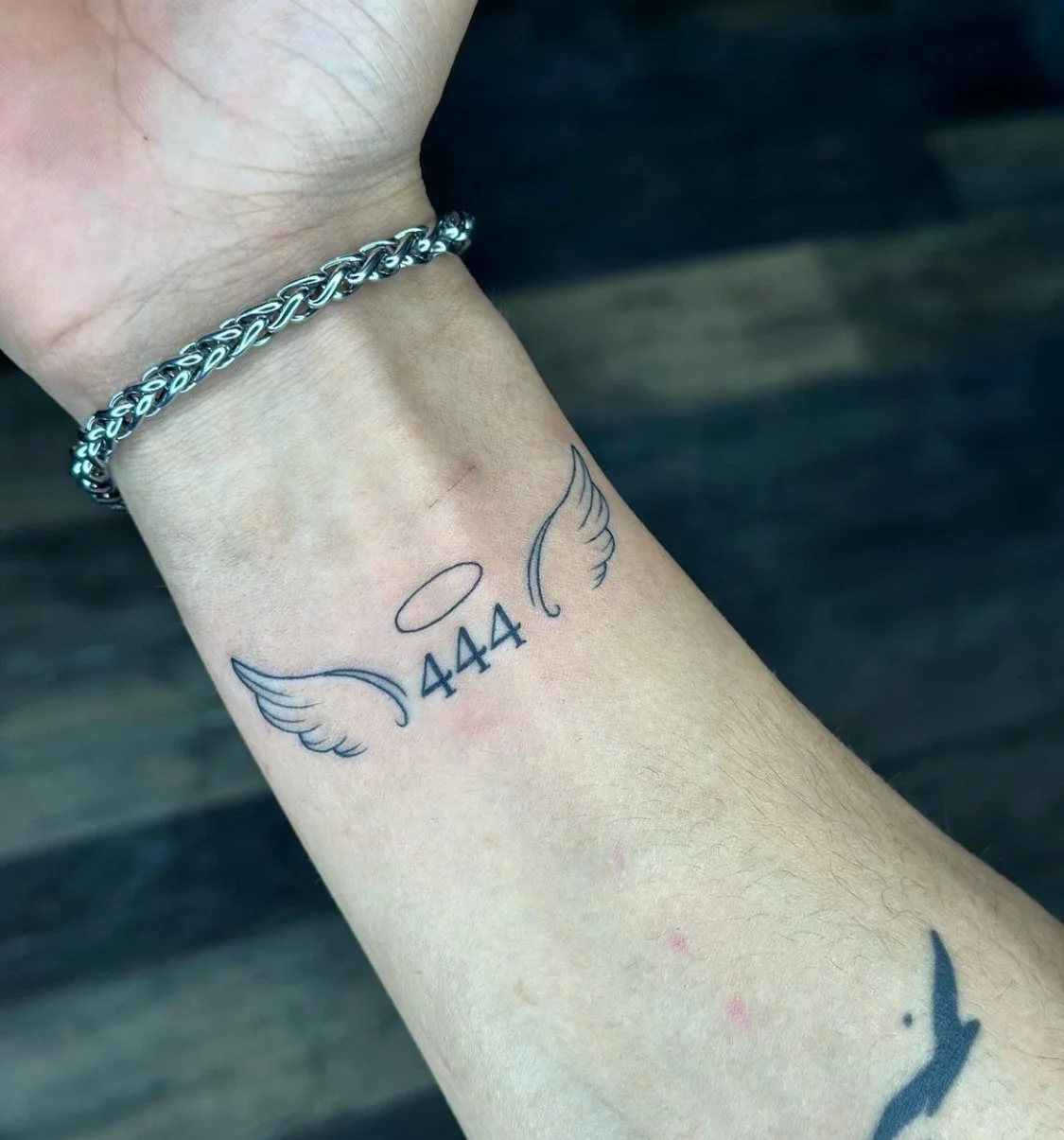
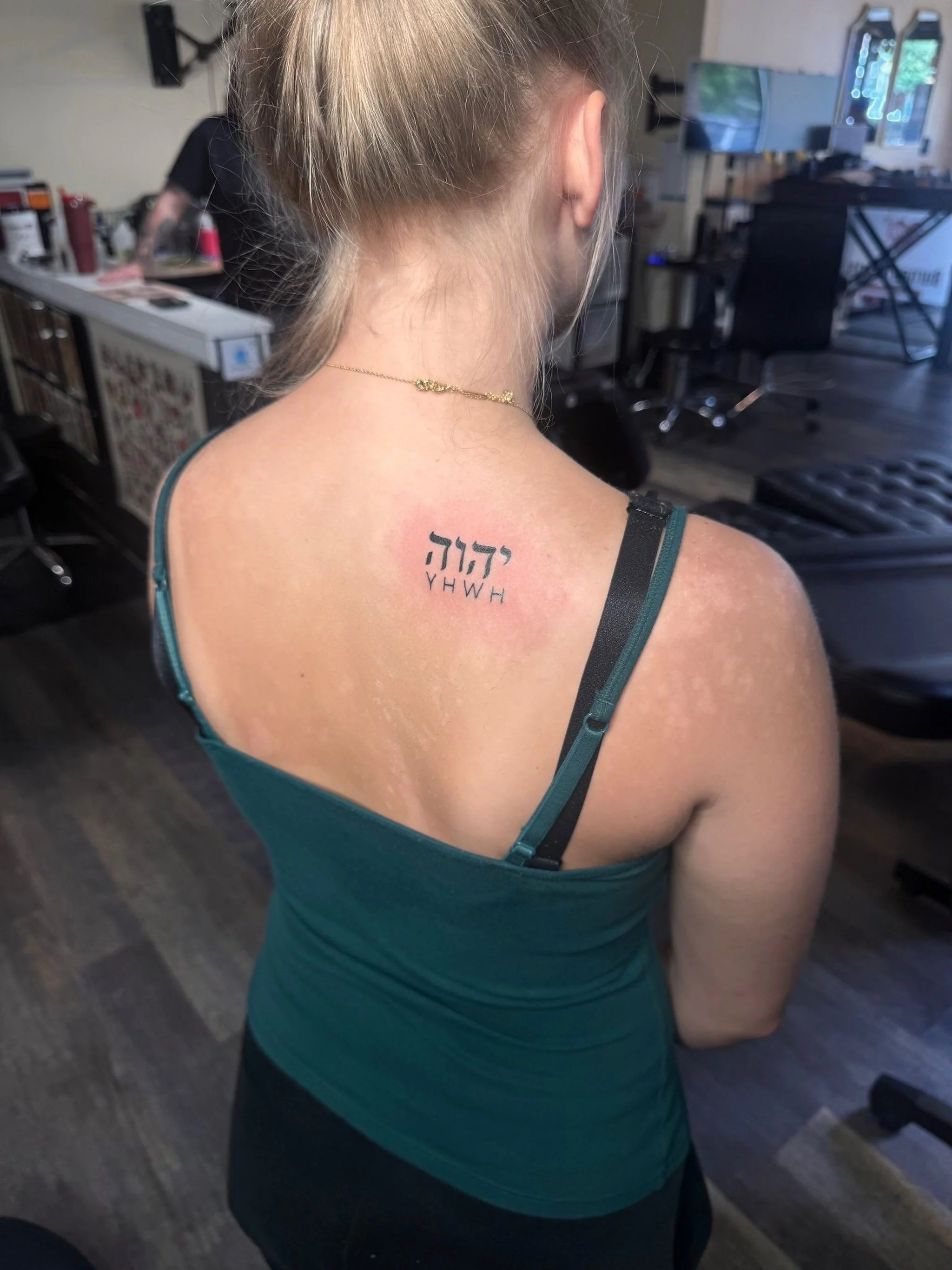
Micro-script and angel numbers
Micro-realism and delicate portraits
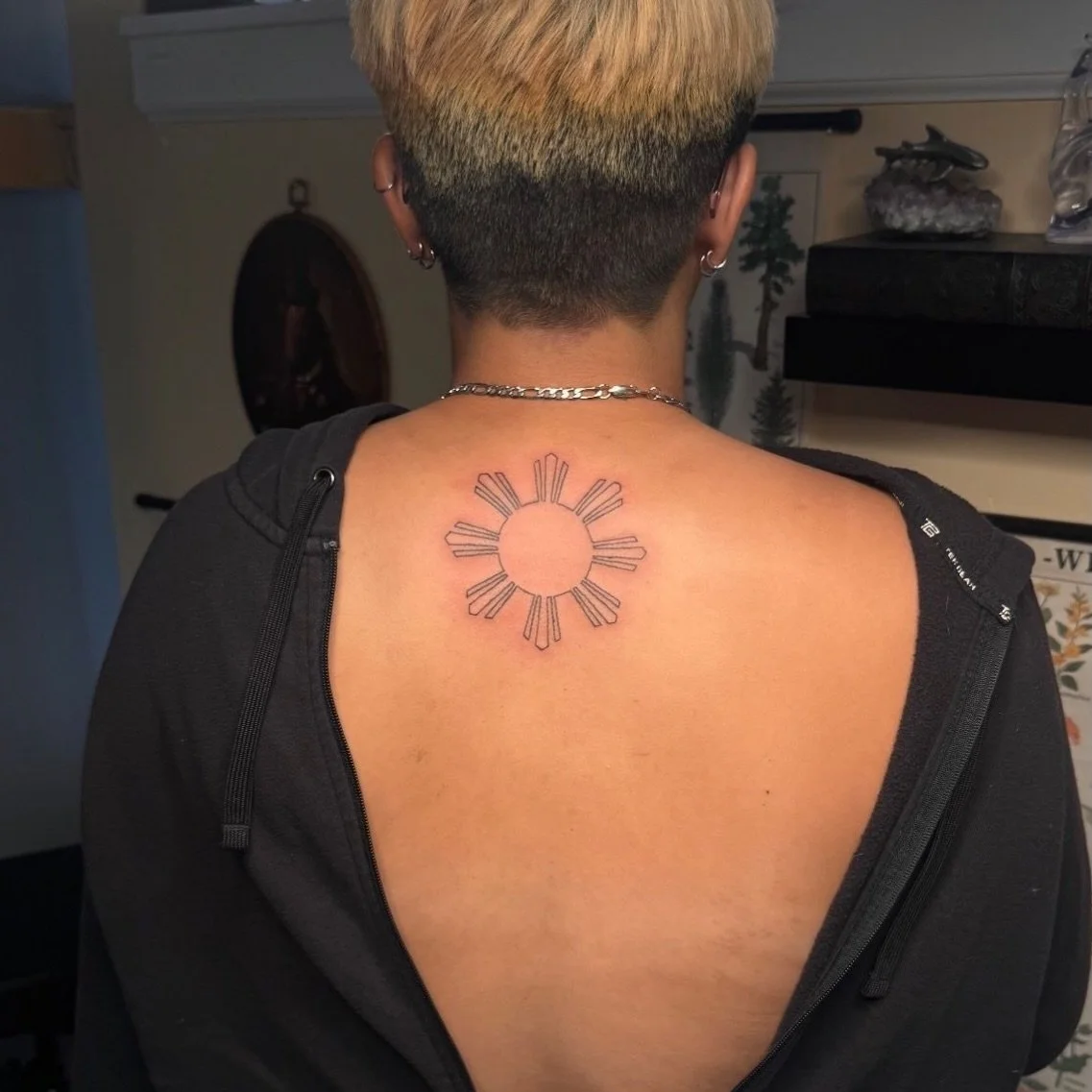
Minimalist geometric and ornamental designs
| Timeframe | Visual Characteristics | What Is Happening Beneath the Skin |
|---|---|---|
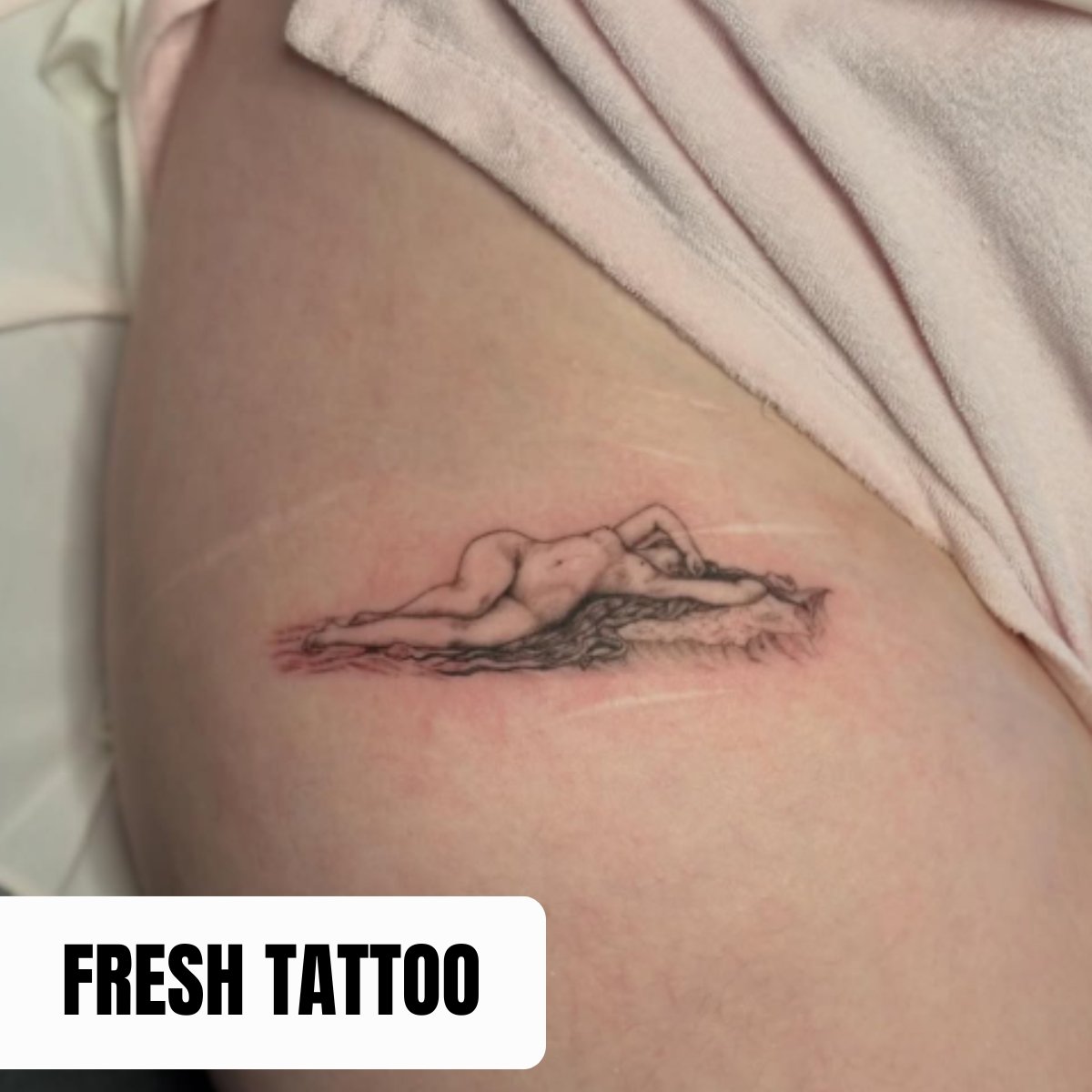
| Fresh (0–3 Months) | Dark, hyper-crisp, extremely defined lines. | Ink sits close to the surface; epidermis heals and ink settles into the dermis. |
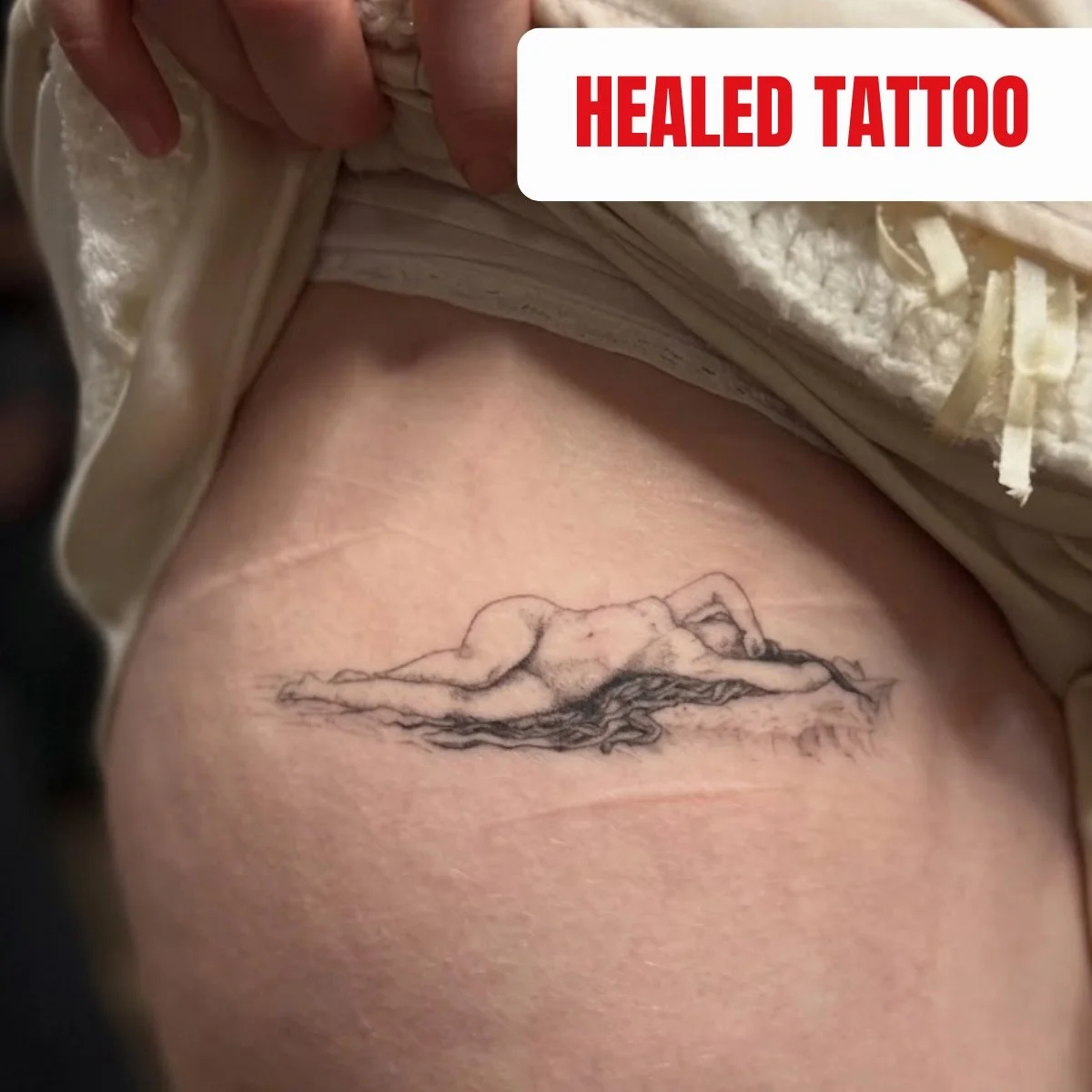
| Years 1–3 | Lines soften into a charcoal-gray tone; overall design remains intact. | Macrophages trap ink particles; natural skin renewal slightly diffuses hyper-fine edges. |
| Years 4–7 | High-wear areas (hands, fingers) show subtle lightening; low-wear areas stay clear. | UV exposure and skin cell turnover begin separating lighter ink deposits. |
| Years 8–10+ | Ink appears velvety and soft; lines remain readable if protected from UV rays. | Stable aging phase; a brief 30-minute touch-up restores original sharpness. |
Why Do Some Fine Line Tattoos Fade or Blur Faster?
The idea that fine line tattoos "always blow out" or "completely disappear" is a myth. How your ink ages comes down to five key factors:
Needle Depth & Technique: A skilled specialist knows the exact depth required for single-needle work. Too shallow, and ink flakes out during healing; too deep, and the ink spreads, causing a blowout.
Body Placement: Areas with thicker skin and minimal friction (inner forearm, upper arm, back, thigh) retain detail far better than high-wear zones like fingers, wrists, or ankles.
Sun Exposure & Photodegradation: According to clinical research guidelines from the American Academy of Dermatology, ultraviolet (UV) light breaks down pigment particles beneath the dermal layer and causes tattoo fading. Single-needle tattoos, which use less overall ink volume, are especially vulnerable to sun degradation if left unprotected.
Skin Hydration & Health: Dry or heavily sun-damaged skin loses elasticity, causing fine details to lose definition over time.
Aftercare Discipline: Picking scabs or over-moisturizing during week one pulls ink directly out of the healing dermal layer.
Tessa Simmons
Expert Opinion: Longevity & Planning in Fine Line Work
"The secret to a fine line tattoo that looks great a decade later isn't just how light the needle touches the skin—it's how the composition accounts for natural skin aging. Skin isn't paper; it moves, stretches, and renews itself constantly.
When designing a custom tattoo, we build slight breathing room between hyper-fine details. If lines are placed too close together, they will eventually merge as the ink naturally diffuses over the years. By pairing proper spacing with precise depth, delicate linework can age into a soft, beautiful heirloom on your skin."
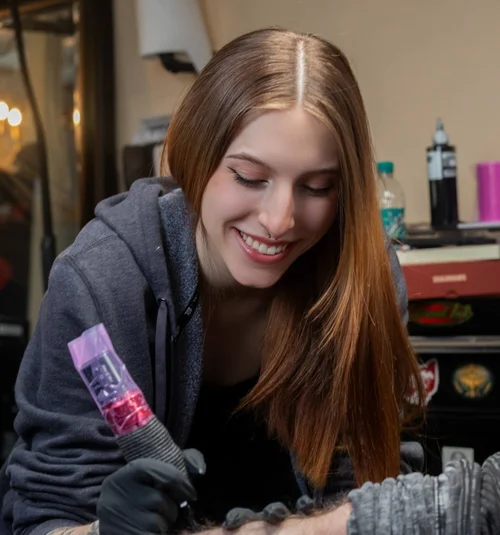
— Tessa Simmons, Fine Line Expert & Tattoo Artist, Burned Heart Tattoo
Pro Tips to Keep Your Fine Line Tattoo Sharp for Years
Apply Mineral Sunscreen Daily: Use broad-spectrum SPF 30 to 50+ sunscreen on exposed tattoos whenever you go outdoors to prevent UV ink breakdown.
Hydrate the Dermis: Apply a daily unscented lotion to keep skin supple and prevent premature pigment breakdown.
Choose Placement Wisely: Opt for low-friction zones like the upper arm, ribcage, or inner forearm if you want micro-details to last.
Schedule Proactive Touch-Ups: A quick 30-minute refresh session every 5 to 7 years restores crispness and contrast without changing the design.
Ready for Delicate Ink Built to Last?
A fine line tattoo is a commitment to subtlety and craft. When executed with expert precision and cared for properly, your delicate design will remain an elegant piece of body art for years to come.
5-Year Fine-Line Aging & Fading Predictor
Calculate how your fine-line tattoo will age over 5+ years based on needle gauge, friction placement, UV exposure habits, and aftercare routine.
Loading prediction report...
As one of the best tattoo shops in Columbus, Ohio, Burned Heart Tattoo specializes in precision linework, custom placement, and aftercare guidance tailored to your skin.


Frequently Asked Questions
-
Generally, no. Because fine line tattoos use smaller needle groupings (like 1RL or 3RL) and lighter pressure, most clients experience significantly less skin trauma and discomfort compared to heavy shading or thick linework.
-
Yes. Because less trauma is inflicted on the skin, fine line tattoos typically produce thin, flaky layers of dead skin rather than thick scabs. This light flaking usually resolves within 7 to 10 days.
-
While not strictly required, a light touch-up between years 4 and 8 can restore contrast and sharpness. Tattoos placed on fingers or hands may require touch-ups sooner due to frequent washing and friction.
Read More…